
Have you ever noticed your car struggling to shift gears or making strange noises? These could be signs that your transmission fluid needs changing. Just like oil, transmission fluid plays a crucial role in keeping your vehicle running smoothly. Ignoring it can lead to costly repairs down the line.
In this article, you’ll learn how to spot the warning signs that your transmission fluid is due for a change. We’ll share practical tips to help you maintain your vehicle’s health and ensure a safe driving experience. By understanding when and why to change your transmission fluid, you can keep your car in top shape and avoid unnecessary headaches.
Key Takeaways
- Transmission Fluid Importance: Regularly changing transmission fluid is essential for vehicle functionality, preventing costly repairs, and ensuring smooth performance.
- Signs of Fluid Change: Key indicators that transmission fluid needs changing include unusual smells (burning), color changes (brown or dark), and unresponsive or rough shifting.
- Fluid Checking Methods: Regular checks using the dipstick method, examining fluid condition, and monitoring for leaks help maintain optimal transmission performance.
- Change Intervals: Most manufacturers recommend changing transmission fluid every 30,000 to 60,000 miles, with conditions like towing or extreme temperatures necessitating more frequent changes.
- Consequences of Neglect: Ignoring transmission fluid changes can lead to severe transmission issues, slipping, overheating, and increased repair costs, emphasizing the importance of regular maintenance.
Importance Of Transmission Fluid
Transmission fluid plays a crucial role in maintaining your vehicle’s functionality. Regular changes prevent issues that can lead to expensive repairs and ensure smooth performance.
Role In Vehicle Performance
Transmission fluid acts as a lubricant and coolant for your vehicle’s transmission system. It reduces friction between moving parts, allowing for efficient gear shifts. Clean, high-quality transmission fluid helps maintain optimal temperature, prevents wear and tear, and promotes responsive handling. If the fluid is dirty or low, you may experience delayed gear engagement or rough shifts, which negatively impact performance.
Consequences Of Neglecting Changes
Neglecting transmission fluid changes can lead to significant problems. Old or contaminated fluid can cause the transmission to slip, overheat, or fail entirely. A failed transmission repair costs an average of $1,500 to $3,500. Additionally, driving with degraded fluid affects fuel efficiency, resulting in higher fuel costs. Regular checks and changes of your transmission fluid protect your car’s transmission and your wallet.
Signs That Transmission Fluid Needs Changed
Recognizing the signs that transmission fluid needs changing is critical for keeping your vehicle in good condition. Watch for these key indicators.
Recommended Products

[High-quality Materials] The lower gear oil pump is made of high-quality materials, which is durable and ensures fast and precise refilling of lubricating oil for the lower device of the marine engine, and is easy to use.
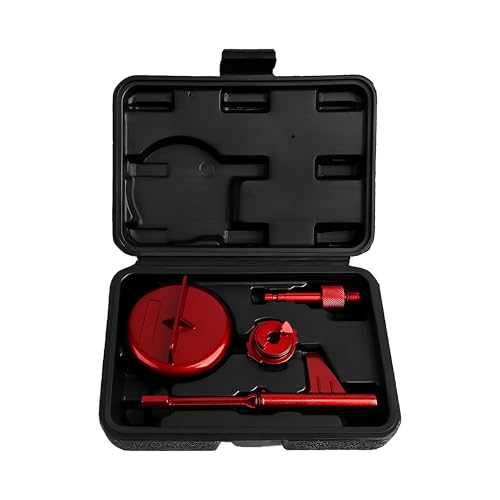
Stable Material: This automotive transmission oil change tool set is crafted from high-quality zinc alloy, which offers excellent hardness and toughness. When tightening oil pan bolts or connecting to oil fill ports, the tools resist tooth slippage, breakage, or deformation while withstanding torque forces. The zinc alloy surface undergoes specialized treatment to extend the tools' service life.
Unusual Smells
Notice any burning or acrid odors? These scents often signal overheating transmission fluid, indicating a potential problem. Fresh transmission fluid has a slightly sweet smell. If you detect something different, check the fluid.
Color Changes
Inspect the transmission fluid’s color regularly. Healthy fluid appears bright red or pink. If the fluid looks brown or dark, it needs changing. Dark fluid can indicate contamination or breakdown, both of which could harm the transmission.
Unresponsive Shifting
Experience difficulty when shifting gears? If you notice delays or jerky movements, your transmission fluid might be low or degraded. Smooth shifting is essential for proper vehicle operation, so address this issue immediately.
How To Check Transmission Fluid
Regularly checking your transmission fluid helps maintain your vehicle’s performance. Follow these methods to ensure your fluid is in good condition.
Recommended Products

EASY TO READ :Clear marks on the metal tip promise easy-to-read oil levels.

SAME TOOL THE DEALER USES:【For select Chrysler Dodge Jeep VW vehicles】Level Measuring tool Designed to check and adjust ATF fluid on your vehicle. / Allows you to check fluid level without going to the Dealer.

[Vehicle Fitment]: Compatible with Buick Rainier 2004-2005; Compatible with Chevrolet SSR/Trailblazer/Trailblazer EXT 2003-2005; Compatible with GMC Envoy/Envoy XL 2003-2005, Envoy XUV 2004-2005; Compatible with Oldsmobile Bravada 2003-2004 --- Automatic 4 Speed Transmission
Using The Dipstick Method
- Locate the Dipstick: Find the transmission dipstick. In most vehicles, it’s near the back of the engine bay, often labeled with a bright color.
- Warm Up the Vehicle: Start the engine and let it run for a few minutes. This ensures the fluid is warm and can provide an accurate reading.
- Check the Fluid Level: With the engine running, pull out the dipstick, wipe it clean with a lint-free cloth, then insert it back into the tube. Remove it again to check the fluid level. It should be between the “full” and “add” marks.
- Inspect Fluid Condition: Examine the fluid’s color and texture. Healthy transmission fluid appears bright red and clear. If it’s dark brown or smells burnt, consider changing it.
- Replace the Dipstick: After checking, securely insert the dipstick back into place to avoid contamination.
- Look for Leaks: Check under your vehicle for signs of transmission fluid leakage. Puddles of a red, oily liquid can indicate a leak that may require immediate attention.
- Feel the Texture: If you can access a small amount of fluid, note its consistency. It should feel slick and smooth. If it’s gritty or thin, the fluid’s effectiveness is compromised.
- Conduct a Smell Test: Smelling the fluid can reveal issues. A burnt odor indicates overheating, which could be a sign that the transmission fluid needs replacing.
- Monitor Shifting Performance: Pay attention to how your vehicle shifts gears. If you notice slipping, hesitations, or jerky movements, inspect the fluid levels and condition.
- Schedule Regular Checks: Aim to check your transmission fluid every 30,000 to 60,000 miles, or sooner if you notice any signs of degradation or leaks.
By following these steps, you can efficiently check your transmission fluid and maintain your vehicle’s performance.
Recommended Transmission Fluid Change Intervals
Regular transmission fluid changes protect your vehicle’s performance. Specific intervals depend on various factors, including your car’s manufacturer recommendations.
Recommended Products

Backward compatible with previous Dexron automatic transmission fluids and can be used as a much-improved replacement for older vehicles/transmissions originally using previous Dexron fluids
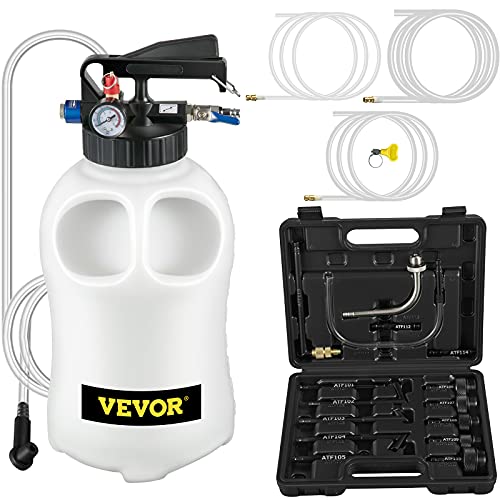
10L Large Capacity: Our pneumatic ATF pump has a 10L large capacity. It provides an easy way to extract and dispense transmission fluid quickly and cleanly. It's an ideal tool for oil replacement.
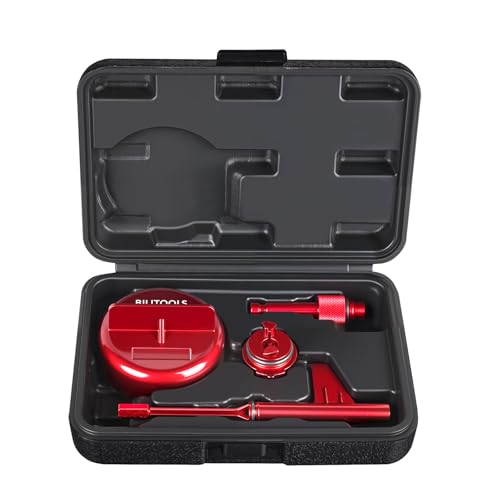
【Complete Transmission Service Kit】Includes all 4 essential tools for draining old fluid, filling new ATF fluid, and removing or installing screws. No more searching for individual adapters – everything you need for a full transmission oil change on Mercedes 9G‑Tronic models
Manufacturer Guidelines
Check your vehicle’s user manual for the manufacturer’s recommended transmission fluid change intervals. Most manufacturers suggest changing the fluid every 30,000 to 60,000 miles. Some newer vehicles can extend this interval to 100,000 miles or more, particularly if they use synthetic fluid. Adhering to these guidelines ensures optimal transmission health.
Driving Conditions Impact
Driving conditions significantly affect how often you should change your transmission fluid. Severe conditions such as stop-and-go traffic, towing heavy loads, or driving in extreme temperatures can shorten the interval. If you frequently encounter these situations, consider changing the fluid every 15,000 to 30,000 miles. Monitoring your specific conditions helps maintain smooth operation and longevity of the transmission system.
Conclusion
Staying on top of your transmission fluid is key to keeping your car running smoothly. By paying attention to signs like strange smells or changes in color you can catch potential issues early. Regular checks and timely changes can save you from expensive repairs down the line.
Make it a habit to check your fluid every 30,000 to 60,000 miles or sooner if you notice something off. Your car will thank you with better performance and longevity. Keep those gears shifting smoothly and enjoy the ride!
Frequently Asked Questions
Why is changing transmission fluid important?
Changing transmission fluid is crucial as it lubricates and cools the transmission, reducing friction for smooth gear shifts. Regular changes help prevent costly repairs, such as overheating and complete transmission failure, which can cost between $1,500 and $3,500.
How often should I change my transmission fluid?
It’s recommended to change your transmission fluid every 30,000 to 60,000 miles. However, this can vary based on manufacturer guidelines and driving conditions. Always consult your vehicle’s manual for specific recommendations.
What are the signs that my transmission fluid needs changing?
Signs include unusual smells, dark or burnt fluid color, and unresponsive or rough shifting. If you notice any of these symptoms, it’s essential to check your transmission fluid promptly to avoid further issues.
How can I check my transmission fluid?
You can check your transmission fluid using the dipstick method. Ensure the engine is warm, remove the dipstick, wipe it clean, reinsert it, and check the fluid level and condition. Look for leaks, smell for burnt odors, and monitor shifting performance.
What happens if I neglect changing my transmission fluid?
Neglecting to change your transmission fluid can lead to delayed gear engagement, rough shifts, transmission slipping, and overheating. This neglect may eventually result in complete transmission failure, causing expensive repairs. Regular maintenance is key to avoiding these problems.
