

Have you ever been caught in a winter storm only to find your windshield washer fluid frozen solid? It’s a frustrating situation that can leave you struggling to see the road ahead. Knowing how to test the freeze point of your washer fluid can save you from this hassle and keep you safe on the road.
In this article, you’ll learn simple methods to check your washer fluid’s freeze point. You’ll discover how to ensure it’s ready to tackle whatever Mother Nature throws your way. By taking a few minutes to test your fluid, you’ll drive with confidence, knowing your visibility won’t be compromised when you need it most.
Key Takeaways
- Understanding Windshield Washer Fluid: Familiarize yourself with the different types of windshield washer fluids—standard, antifreeze, and concentrated—to select the best option for your climate.
- Importance of Freeze Point: Knowing the freeze point of your washer fluid is crucial to prevent freezing and ensure optimal visibility while driving in cold weather.
- Testing Methods: Use either a refractometer or a simple freezer test to accurately gauge the freeze point of your washer fluid and ensure its effectiveness in low temperatures.
- Interpreting Results: A freeze point reading should be at least 10°F lower than the expected lowest temperatures in your area to ensure it remains effective.
- Regular Maintenance: Regularly check and replace your windshield washer fluid, especially if test results suggest a freeze point above the recommended threshold or if the fluid has been in use for over six months.
- Safety Considerations: Proper freeze point testing and fluid selection are essential for maintaining visibility and safety on the road during winter conditions.
Understanding Windshield Washer Fluid
Windshield washer fluid plays a crucial role in maintaining visibility while driving. Its primary function is to help clean the windshield by removing dirt, grime, and bugs. This fluid comes in various formulations, often containing water, detergents, and antifreeze agents. Understanding the components can help you select the right fluid for your vehicle.
Recommended Products

advanced Water beading technology leaves no streaks and is glare free

EFFORTLESS CLEANING: Enjoy hassle-free maintenance with ABRO's pre-mixed windshield wiper fluid formula, saving you time and effort in preparing the solution for streak-free clarity.

Peace of Mind: Get complete 2-in-1 protection with a Winter De-Icer and Summer Bug Wash that can tackle any condition.
Types of Windshield Washer Fluid
- Standard Fluid: This type contains a mix of water and cleaning agents. It’s suitable for moderate conditions but may freeze in low temperatures.
- Antifreeze Fluid: This fluid includes methanol or ethanol to lower the freeze point. It works well in colder climates and prevents freezing.
- Concentrated Fluid: This option comes in a concentrated form and needs dilution with water. Use it according to the manufacturer’s instructions.
Importance of Freeze Point
You might wonder why the freeze point matters. If the fluid freezes, it can’t wash your windshield. This leads to reduced visibility, which is dangerous. Ensuring your washer fluid has the right freeze point for your climate is essential.
- Check the Temperature: Know the typical winter temperatures in your area. Choose a fluid with a freeze point lower than those temperatures.
- Read Labels: Look for the freeze point information on the label. Most manufacturers provide this data, helping you make an informed choice.
- Consider Conditions: If you often drive in severe winter conditions, opt for a fluid specifically designed for those temperatures.
By understanding windshield washer fluid and its importance, you set the stage for safe driving in wintery conditions.
Importance Of Freeze Point Testing
Testing the freeze point of windshield washer fluid is crucial for safe driving in cold weather. Appropriate fluid ensures optimal visibility by preventing the sprayer from being blocked by ice or thick fluid.
Effects Of Low Freeze Point
Low freeze points can lead to several issues. Ice can form in the washer system if the fluid freezes, rendering the sprayers ineffective. In turn, this affects visibility, which poses safety risks. For example, driving with obstructed or frozen washer fluid can lead to accidents. Additionally, the fluid may not clear dirt, grime, or salt from your windshield, reducing overall driving safety.
Safety Considerations
Safety features rely heavily on having the right washer fluid for winter conditions. When temperatures drop, the potential for visibility issues increases. Selecting washer fluid with a suitable freeze point mitigates these risks. Consistently check the fluid’s freeze point to match the forecasted temperatures. Always consider local weather patterns; for instance, using a fluid designed for harsher climates when facing extreme cold can make a significant difference. Regular testing and maintenance of your vehicle’s washer system further ensure it serves its purpose effectively.
Methods To Test Windshield Washer Fluid Freeze Point
Testing the freeze point of windshield washer fluid is essential for ensuring it functions properly in cold conditions. Here are two effective methods to test your fluid.
Recommended Products
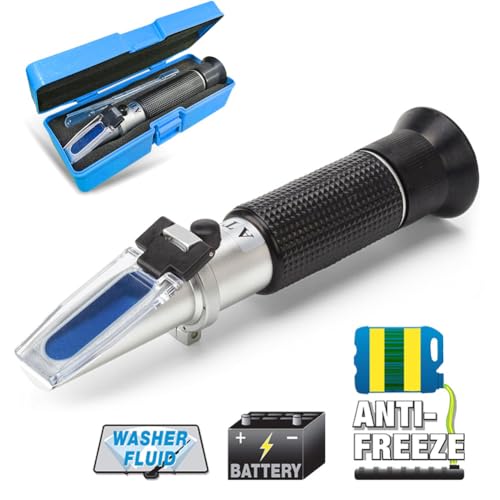
Function 1: Measuring freezing point of automobile antifreeze based on ethylene glycol or propylene glycol.Measuring Range: -50 to 0 ℃.

Package Dimensions: 3.048 cms (L) x 12.7 cms (W) x 30.48 cms (H)

Professional-Grade 5-in-1 Diagnostics – This high-precision refractometer is the ultimate shop tool for cooling systems, batteries, and emissions. Whether you're a master technician or a DIY enthusiast, get instant, lab-quality readings for Ethylene/Propylene Glycol, Battery Acid, DEF, and Washer Fluid.
Using A Refractometer
- Obtain a refractometer: These devices measure the refractive index of a liquid, which helps determine its freeze point accurately. You can find them online or at auto supply stores.
- Collect a sample: Use a clean container to gather a small amount of your windshield washer fluid.
- Calibrate the refractometer: Adjust it according to the manufacturer’s instructions. Ensure it’s set to zero with distilled water.
- Test the fluid: Place a few drops of the washer fluid on the refractometer’s prism. Close the cover and look through the eyepiece.
- Read the value: The scale will provide a Specific Gravity reading. Compare this to the refractometer’s chart to determine the freeze point.
- Freezer method: Pour some washer fluid into a clear, freezer-safe container. Label the container and place it in the freezer.
- Check for freezing: After several hours, examine the fluid. If you see ice forming, note the temperatures your freezer reaches. You may have to adjust based on your findings.
- Compare with expected temperatures: Use a thermometer to monitor the freezer’s temperature. Determine whether the fluid remains liquid under your local cold conditions.
- Temperature comparison: Assess your washer fluid against the local forecasting temperatures to decide if it’s sufficient for winter use.
By using these methods, you can ensure your windshield washer fluid remains effective, helping maintain clear visibility while driving in winter weather.
Interpreting Test Results
Understanding the freeze point of your washer fluid helps ensure safe driving in winter. The test results provide insight into the fluid’s effectiveness under cold conditions.
Recommended Products

This item can no be shipped to the state in California, Техаs, Arizona please check with the manufacturer regarding warranty and support issues.

EXTREME COLD PROTECTION: Formulated to provide reliable -20°F freeze protection, keeping your windshield washer system functioning in harsh winter conditions

Improves the melting of light ice and frost
What The Numbers Mean
The freeze point number indicates the lowest temperature at which the washer fluid remains liquid. For example, a freeze point of 20°F means the fluid can freeze if the temperature drops below this value. Ideally, washer fluid should have a freeze point at least 10°F lower than the coldest temperature you expect in your area. Always compare your results with the manufacturer’s specifications to ensure you’re using the correct product for winter conditions.
When To Replace Washer Fluid
Replace washer fluid if the freeze point test shows readings above the recommended threshold. For instance, if the fluid freezes at 25°F, it’s time to refill with a fluid that has a lower freeze point. Additionally, consider replacing the fluid if it’s been in the reservoir for over six months, as its effectiveness can diminish over time. Regular checks enable you to maintain optimal visibility and safety when driving in winter conditions.
Conclusion
Taking the time to test your windshield washer fluid’s freeze point can make a big difference in your winter driving experience. By staying proactive and ensuring your fluid is up to par you’re not just enhancing visibility but also boosting your safety on the road.
Remember to check the freeze point regularly especially as temperatures drop. If you notice it’s not meeting the recommended levels don’t hesitate to replace it. Keeping your washer fluid fresh and effective is a simple yet crucial step in preparing for winter weather. Stay safe and enjoy clear views on your journeys ahead!
Frequently Asked Questions
Why is it important to test windshield washer fluid freeze points?
Testing windshield washer fluid freeze points is crucial for safe winter driving. It ensures that the fluid remains effective in cold conditions, helping to maintain visibility and safety on the road.
What methods can be used to test windshield washer fluid freeze points?
Common methods include using a refractometer for precise measurements and the freezer method, where you check at what temperature the fluid begins to freeze. Both methods can accurately determine the fluid’s freeze point.
What is the recommended freeze point for washer fluid?
The recommended freeze point for washer fluid should be at least 10°F lower than the coldest expected temperature in your area. This helps prevent the fluid from freezing during winter driving.
When should I replace my windshield washer fluid?
Replace your windshield washer fluid if the freeze point exceeds the recommended threshold or if it has been in the reservoir for over six months to ensure optimal performance and visibility.
How often should I test my washer fluid?
It’s best to test your washer fluid regularly, especially before winter. Regular testing ensures that the fluid remains effective in cold weather conditions, enhancing safety while driving.
