

Have you ever wondered what might happen if you accidentally poured washer fluid into your coolant reservoir? It’s a mistake many drivers make, often during a rush or when juggling multiple tasks. While it might seem harmless, the consequences can be more serious than you think.
Key Takeaways
- Understanding the Roles: Washer fluid cleans the windshield, while coolant regulates engine temperature—mixing them can lead to serious issues.
- Chemical Risks: Washer fluid’s components can adversely affect coolant properties, disrupting engine performance and risking overheating.
- Immediate Actions: If washer fluid is accidentally added to coolant, do not start the engine and seek professional help to drain and replace the fluid.
- Signs of Contamination: Look for changes in coolant color, foam, or overheating as indicators of contamination that could damage the cooling system.
- Preventative Measures: Regularly check fluid levels and monitor your vehicle’s performance to catch potential problems early and maintain optimal operation.
Overview of Washer Fluid and Coolant
Washer fluid and coolant serve distinct purposes in your vehicle. Understanding their functions helps clarify the risks associated with mixing them.
Washer Fluid
- Purpose: Washer fluid cleans your windshield, improving visibility during driving. It contains solvents, detergents, and sometimes antifreeze.
- Composition: It typically includes water, alcohol, and cleaning agents. The mix allows for effective dirt, grime, and bug removal.
- Temperature Tolerance: Most washer fluids function well in temperatures ranging from -20°F to 32°F. Some formulas are designed for extreme cold, preventing freezing.
Coolant
- Purpose: Coolant regulates engine temperature and prevents overheating. It absorbs heat from the engine and transfers it to the radiator for dissipation.
- Composition: Coolant, or antifreeze, usually consists of a mixture of ethylene glycol or propylene glycol and water, along with corrosion inhibitors.
- Temperature Tolerance: Coolants operate effectively in high heat and extreme cold. It maintains optimal engine temperature, typically around 195°F to 220°F.
Risks of Mixing Washer Fluid with Coolant
Mixing washer fluid with coolant can lead to severe issues:
- Chemical Reaction: The components in washer fluid can react adversely with coolant, disrupting its properties.
- Overheating: If the engine coolant loses effectiveness, overheating may occur, damaging the engine.
- Visibility Issues: Incorrect cleaning can impair visibility; the windshield may become smeared or hazy, posing safety risks.
What to Do If Mistakenly Mixed
If washer fluid enters your coolant system, take the following steps:
- Don’t Start the Engine: Avoid running the engine until the issue is resolved.
- Drain the System: Seek professional help to flush out the contaminated coolant.
- Replace with Proper Coolant: After draining, refill your system with the correct coolant type as specified in your vehicle’s manual.
By understanding the function and composition of both washer fluid and coolant, you can avoid mishaps that jeopardize your vehicle’s performance and safety.
Chemical Composition of Washer Fluid
Washer fluid consists of a blend of chemicals designed specifically for cleaning and maintaining visibility in your vehicle. Understanding its ingredients explains the implications of mixing it with coolant.
Common Ingredients
- Water: Typically, washer fluid contains about 30% to 50% water, serving as a base to dissolve other components.
- Methanol: Often comprising 20% to 30% of the fluid, methanol acts as an antifreeze agent and solvent.
- Surfactants: These compounds help break down dirt and grime. Surfactants usually make up 5% to 15% of the formula.
- Colorants: Small amounts of colorants provide visual cues, helping to identify washer fluid.
- Fragrances: Some formulations include a minor percentage of fragrances for a pleasant smell.
- Water: Dilutes other ingredients and enhances cleaning efficiency.
- Methanol: Lowers the fluid’s freezing point and aids in breaking up tough residues.
- Surfactants: Lift and remove debris, ensuring a clear windshield.
- Colorants: Differentiate washer fluid from other fluids, preventing confusion.
- Fragrances: Mask any unpleasant odors that arise during use, contributing to a better driving experience.
Comprehending the chemical composition of washer fluid highlights its unique role in vehicle maintenance. Mixing it with coolant leads to interference with the coolant’s function, potentially harming your engine.
Potential Consequences of Mixing Washer Fluid and Coolant
Mixing washer fluid with coolant can lead to several serious issues for your vehicle. Understanding these potential consequences helps you avoid costly repairs and ensures your car operates smoothly.
Recommended Products

2-in-1 formula designed for light flushing and heavy-duty cleaning
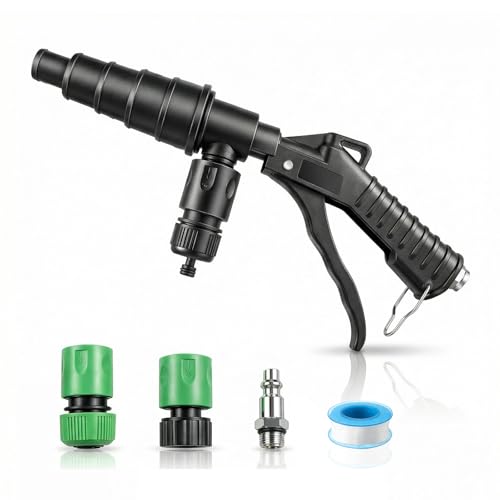
【Heater Core Flush Kit】This heater core flush kit includes 1 coolant flush gun, 3 hose adapters, 1 air line fitting, and a roll of PTFE sealant tape, enabling quick and efficient cleaning of coolant, radiator, or heater core systems.

Patented formula quickly stops leaks in radiators, water pumps, and heater cores
Short-Term Effects
You might notice immediate issues after accidentally mixing washer fluid with coolant. Reduced cooling efficiency occurs quickly. The washer fluid’s chemical components interfere with the coolant’s function, making it less effective at regulating engine temperature. Increased overheating risks happen as a result, potentially triggering warning lights. Fluid leaks may also form, causing puddles under your vehicle. These short-term problems often indicate that further damage could develop if not addressed promptly.
Long-Term Damage
Long-term effects of this mix can be damaging and expensive. Corrosion can occur within the cooling system. The surfactants and alcohol in washer fluid may corrode metal components, creating leaks and failures in the radiator or hoses. Engine wear increases due to inadequate cooling. Insufficient temperature regulation can lead to engine stress, causing cracks or warping. Repairs for these damages can become costly, often requiring extensive work on the cooling system and engine components. Regular maintenance and checking fluid levels can help prevent these dire consequences.
Signs of Contamination in Coolant System
Contamination in your coolant system can lead to serious issues. Recognizing the signs early helps prevent costly repairs.
Recommended Products

Include two clamps, multiple tees, a garden hose adapter, an elbow and a cap

Allows color matching of caps for dedicated adapters.

Heater Core Flush Kit: Includes 1 flushing gun, 4 garden hose connectors, 1 adaptor and 1 roll of PTFE tape. Crafted from corrosion resistant materials, this kit efficiently performs coolant, radiator, or heater core system flushing, delivering reliable, long lasting performance even in demanding automotive and industrial environments
Visual Indicators
- Discoloration: Check for changes in coolant color. If it turns a cloudy shade or develops a brownish tint, contamination likely occurred.
- Foam or Bubbles: Look for foam or bubbles on the coolant surface. This points to air mixed with the fluid, often indicating contamination.
- Particles: Inspect the coolant for visible particles or debris. This may signify rust or other contaminants affecting fluid quality.
- Milky Substance: Notice any milky appearance in the coolant. This indicates oil mixing with the coolant, a severe compatibility issue.
- Overheating: Monitor your engine temperature. If the temperature rises unexpectedly, it might mean the coolant isn’t functioning correctly due to contamination.
- Cooling System Leaks: Check for fluid leaks near the radiator or hoses. A coolant system leak can indicate that the fluid has degraded from contamination.
- Poor Heating Performance: Assess the effectiveness of your vehicle’s heating system. Inadequate heat or inconsistent temperature often arises from contaminated coolant.
- Unusual Engine Noises: Listen for occasional knocking or pinging sounds from the engine. These noises can signal insufficient lubrication caused by coolant contamination.
Proactively monitoring these signs helps maintain the integrity of your vehicle’s cooling system. If you suspect contamination, consider flushing the system and refilling it with the correct coolant.
Proper Procedures if Washer Fluid Is Added
If you’ve accidentally added washer fluid to your coolant system, taking immediate action helps prevent further damage. Follow these steps to address the situation effectively.
Recommended Products

Clear Out Cooling System Buildup: Orion Motor Tech's coolant system flush gun combines compressed air and water flow to help remove rust, scale, sludge, and debris from radiators, heater cores, and cooling passages, helping coolant move more freely

🔧 Complete Heater Core Flush Kit Includes 1 coolant flushing gun, 3/4" garden hose quick connect adapter, 3/4" female thread garden hose shut-off valve, and 1/2" garden hose quick connector. Designed to adapt to a wide range of hose connections for coolant, radiator, and heater core flushing.
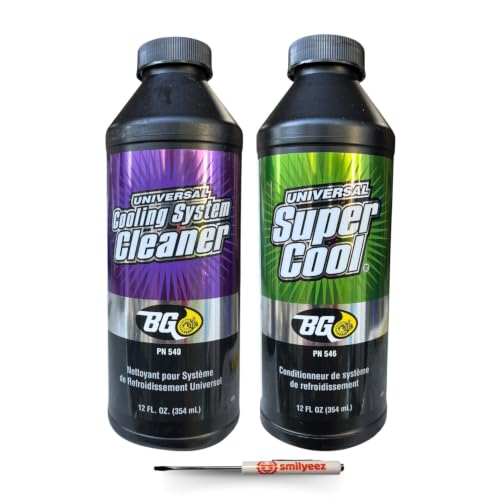
TWO-STEP COOLING SYSTEM SERVICE — Includes BG Universal Cooling System Cleaner PN 540 and BG Universal Super Cool PN 546 (12 fl oz / 354 mL each), plus a pocket screwdriver. Clean the cooling system first, then restore coolant protection.
Immediate Actions
- Check Fluid Levels: Look at the coolant reservoir and the washer fluid reservoir. Ensure you know how much washer fluid has entered the coolant system.
- Don’t Start the Engine: Avoid running the engine. Starting it can circulate the contaminated fluid, worsening the situation.
- Assess for Symptoms: Look for signs of coolant contamination such as overheating, unusual noises, or changes in fluid color. These symptoms indicate further problems.
- Gather Supplies: You’ll need distilled water, a bucket, and coolant compatible with your vehicle. Consider a coolant flush kit for ease.
- Drain the Contaminated Fluid: Locate the radiator drain plug, attach a hose to direct the fluid into a bucket, and empty the coolant system. Dispose of the contaminated coolant safely.
- Flush with Water: Refill the system with distilled water. Run the engine for a few minutes with the heat on high to circulate the water, then let it cool down. Drain again.
- Repeat as Needed: If contamination is evident, repeat the flushing process until the water runs clear.
- Refill with Coolant: Once the system is clean, refill it with the appropriate coolant mixture. Ensure the correct coolant-to-water ratio.
- Monitor Performance: After reassembly, keep an eye on the system for unusual behavior or leaks. Address any issues immediately.
Taking these steps helps restore your vehicle’s cooling efficiency. Monitor regularly to catch any issues early.
Conclusion
Mixing washer fluid with coolant can lead to some serious issues for your vehicle. It’s important to act quickly if this happens to avoid long-term damage. Keep an eye out for signs of contamination and be proactive about maintaining your cooling system.
By following the right steps to flush out the contaminated fluid and refill with proper coolant, you can help restore your engine’s health. Remember that regular checks and maintenance can save you from costly repairs down the road. Stay vigilant and keep your vehicle running smoothly.
Frequently Asked Questions
What is the main difference between washer fluid and coolant?
Washer fluid is designed to clean windshields, ensuring clear visibility while driving. In contrast, coolant helps regulate the engine’s temperature, preventing overheating and maintaining optimal performance. Mixing these two fluids can lead to serious issues.
What happens if washer fluid is mixed with coolant?
Mixing washer fluid with coolant can reduce cooling efficiency, increase the risk of overheating, and lead to fluid leaks. Long-term, it may cause corrosion in the cooling system and increased wear on engine components.
How can I tell if my coolant is contaminated?
Signs of coolant contamination include changes in color, the presence of foam or bubbles, visible particles, or a milky appearance. These indicators suggest the fluid’s effectiveness is compromised and needs immediate attention.
What are the symptoms of coolant contamination?
Symptoms of coolant contamination include overheating, leaks in the cooling system, poor heating performance in the vehicle, and unusual engine noises. Monitoring these signs can help prevent costly repairs to your vehicle.
What should I do if I accidentally add washer fluid to coolant?
If washer fluid is accidentally added to the coolant system, check fluid levels without starting the engine. Assess for signs of contamination, then drain the contaminated fluid. Flush with water, refill with proper coolant, and monitor performance for efficiency restoration.
