

Have you ever found yourself driving in the rain, only to realize your windshield washer fluid isn’t hitting the right spot? It can be frustrating when your wipers are working hard, but the spray just isn’t cutting it.
Key Takeaways
- Understanding the Components: Familiarize yourself with the key parts of the windshield washer system, including the reservoir, pump, hoses, and spray nozzles, to identify potential issues.
- Common Issues: Recognize that low fluid levels, hose clogs, and misaligned nozzles can affect the spray angle and overall performance of the washer system.
- Adjust Spray Angle: Properly adjust the spray angle to enhance visibility and prevent damage to wiper components by aiming the spray slightly higher than the windshield’s centerline.
- Regular Maintenance: Conduct routine checks of fluid levels, clean nozzles, and monitor wiper blade condition to ensure optimal performance of your windshield washer system.
- Seasonal Fluid Adjustments: Use seasonally appropriate washer fluid to mitigate specific weather-related challenges, such as using antifreeze in winter and cleaning agents in summer.
- Professional Guidelines: Always refer to the vehicle’s manual for specific instructions on maintaining your windshield washer system and to avoid using homemade cleaners that could cause damage.
Understanding Windshield Washer Systems
Windshield washer systems consist of essential components that work together to keep your view clear. These systems typically include a washer reservoir, pumps, hoses, and spray nozzles.
Components of a Windshield Washer System
- Washer Reservoir: This container holds the washer fluid. Make sure it’s always filled to avoid running out.
- Pump: The pump pushes fluid from the reservoir through the hoses to the nozzles. A malfunctioning pump can lead to poor spray performance.
- Hoses: These tubes transport washer fluid from the pump to the nozzles. Cracked or clogged hoses can obstruct fluid flow.
- Spray Nozzles: Positioned on the hood or windshield, these nozzles direct fluid onto the glass. Adjusting them can significantly improve spray accuracy.
How It Works
When you activate the washer system, the pump engages, sending fluid through the hoses to the nozzles. This action cleans dirt and debris from your windshield, ensuring visibility during adverse weather. Understanding this process helps you troubleshoot issues effectively.
Common Issues
- If the spray angle seems off, the nozzles might be misaligned.
- Clogs in the hoses can reduce fluid flow, leading to weak sprays.
- Low fluid levels can result in inadequate performance.
- Check Fluid Levels: Regularly inspect and refill the washer reservoir.
- Inspect Hoses: Look for cracks or blockages during routine checks.
- Test Nozzles: Ensure the spray pattern is consistent. Adjust as needed.
Understanding how your windshield washer system functions helps maintain optimal performance, so you can see clearly, even in pouring rain.
Reasons to Adjust Spray Angle
Adjusting the windshield washer fluid spray angle enhances your driving experience. Proper alignment ensures optimal visibility and helps prevent potential damage.
Recommended Products
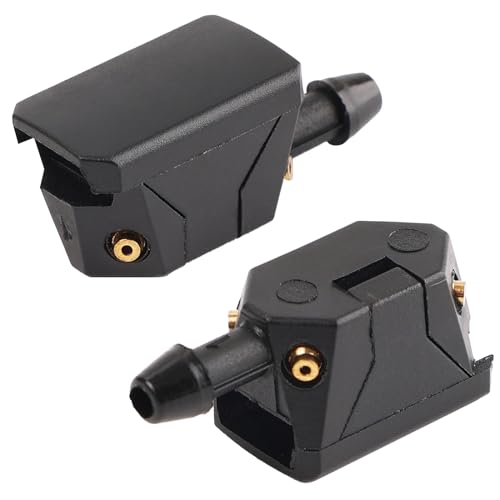
Made of premium Copper+ABS, durable to use. It Is So Simple With The 4way Ajustable Jets Clips Onto Your Wiper Arms,Reconnecting The Tube This Will Give You 4 Jets Of Water Per Arm Within A Couple Of Inches Of Your Screen ,Fully Adjustable.

Durable Quality: The car wash nozzle is made of high-quality materials, sturdy, waterproof and not easily damaged. This nozzle is a good helper for cleaning cars and can effectively extend the service life of the wiper blades.
Improved Visibility
Adjusting the spray angle directs fluid more effectively onto the windshield, ensuring thorough coverage. If the spray is too low, it may miss critical areas, leading to obstructed views. If the spray is too high, it might soak the windshield wipers instead of the glass. A well-aligned spray improves clarity, especially during heavy rain or when dealing with dirt and debris.
Preventing Damage
Incorrect spray angles can cause wear and tear on windshield components. When fluid hits the wipers instead of the glass, it can lead to premature wiper blade wear. Misalignment can also result in streaking or smearing, affecting visibility. Regularly adjusting the spray angle prevents these issues and maintains your vehicle’s performance.
How to Adjust Windshield Washer Fluid Spray Angle
Adjusting the spray angle of your windshield washer fluid can enhance visibility and prolong the life of your wiper blades. Follow these steps to make the necessary adjustments effectively.
Recommended Products

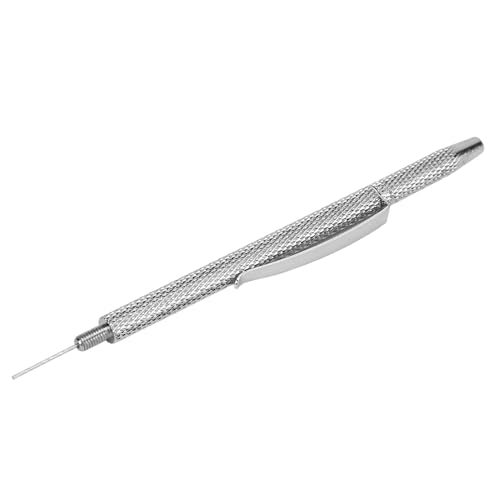
Quick and easily to clean: Makes quick work of clearing obstructions from the windshield washer spray nozzle

2-in-1 Windshield Washer Jet Cleaning Tool and Adjuster Windshield Clean Tool, Screwed caps house a pointed scribe for cleaning washer jets at one end, finer probe for adjusting position of jets at the other.
Tools Needed
- Flathead screwdriver
- Safety glasses
- Clean cloth
- Locate the Nozzles: Find the windshield washer fluid nozzles on the hood of your car. These are usually small, round openings near the base of the windshield.
- Inspect the Nozzles: Check for any debris or clogs in the nozzles. If you see any blockage, use a clean cloth or a pin to carefully remove it.
- Prepare to Adjust: Put on safety glasses to protect your eyes while working. Grab your flathead screwdriver.
- Adjust the Angle:
- Insert the screwdriver into the nozzle opening gently.
- Turn the nozzle to the desired angle. A typical adjustment is to aim the spray slightly higher than the windshield’s centerline.
- Test the Spray: Activate the windshield washer system to spray fluid onto the windshield. Observe the coverage area. If necessary, repeat the adjustment process until the spray covers the entire windshield effectively.
- Secure the Nozzles: Ensure that the nozzles are firmly in place after making adjustments. Check for any looseness that might result from your adjustments.
- Regular Maintenance: Periodically check and adjust the nozzles as needed, especially after significant weather changes or if you notice decreased spray efficiency.
By adjusting your windshield washer fluid spray angle, you enhance your visibility in inclement weather, ensuring a safer driving experience.
Tips for Maintaining Your Windshield Washer System
Recommended Products

HIGH QUALITY MATERIAL: The windshield washer hose kit is made of high quality rubber, soft and elastic, strong and durable.
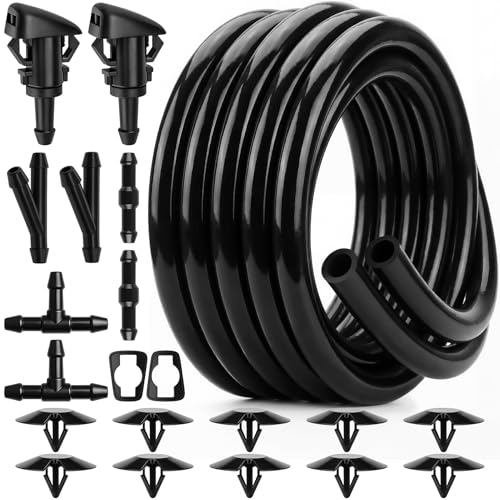
Durable Replacement Washer Hose Kit: Made of flexible rubber hose and tough plastic fan nozzles, resistant to cracking and corrosion, designed to replace aging or leaking windshield washer tubing and restore normal washer fluid flow.

Replaces part numbers: CV6Z-17618-D, CV6Z17618D
Regular Fluid Checks
Ensure your windshield washer fluid remains at the proper level. Check the reservoir every month, especially before long trips. Low fluid can hinder visibility during inclement weather.
Clean Nozzles
Inspect and clean the windshield washer nozzles regularly. Use a pin or needle to clear any debris blocking the spray. Blocked nozzles can lead to uneven spray patterns.
Monitor Wiper Blades
Examine your wiper blades for wear. Replace them every six to twelve months, or sooner if you notice streaking or skipping. Worn blades can damage your windshield and reduce visibility.
Seasonal Preparation
Adapt your washer fluid for seasonal changes. Use antifreeze washer fluid in winter to prevent freezing. In summer, opt for a fluid with cleaning agents to combat bugs and road grime.
Conduct Testing
Test your windshield washer system once a month. Activate the spray while the wipers are on to ensure proper function. Make adjustments if the spray isn’t hitting the windshield effectively.
Check for Leaks
Look for leaks in the washer fluid reservoir, hoses, and connections. A leak can lead to empty reservoirs, resulting in poor visibility. Repair any leaks promptly.
Avoid Improvised Cleaners
Don’t use homemade solutions in your washer system. Stick to commercially available washer fluids to prevent damage to the pump and nozzles.
Read the Manual
Familiarize yourself with your vehicle’s manual for specific care instructions. It often contains valuable insights on maintaining the windshield washer system effectively.
Conclusion
Adjusting your windshield washer fluid spray angle can make a world of difference in your driving experience. It not only enhances visibility but also protects your wiper blades and windshield from unnecessary wear. Regular maintenance is key to keeping your washer system in top shape.
By following the tips mentioned you’ll ensure that your system works efficiently when you need it most. So take a little time to check those fluid levels and nozzles. Your future self will thank you when you’re cruising through rain or grime with a clear view ahead. Safe driving starts with a well-maintained windshield washer system.
Frequently Asked Questions
What should I do if my windshield washer system is not working?
If your windshield washer system isn’t working, first check the fluid level. Make sure the nozzles aren’t clogged. If both are fine, inspect the pump and fuses. Regular maintenance can help prevent these issues.
How important is it to maintain my windshield washer system?
Maintaining your windshield washer system is crucial for ensuring clear visibility while driving. Regular checks can prevent malfunctions during poor weather conditions, making your driving experience safer.
How can I adjust the spray angle of my windshield washers?
To adjust the spray angle, look for the nozzles on the hood of your vehicle. Gently twist or shift the nozzle with a small tool to direct the spray where you need it most for optimal visibility.
What are some tips for maintaining my windshield washer system?
To maintain your windshield washer system, regularly check fluid levels, clean the nozzles, inspect wiper blades, and conduct seasonal tests. Avoid using homemade solutions, and consult your vehicle’s manual for specific care instructions.
Why should I avoid homemade windshield washer solutions?
Homemade solutions can damage your windshield and washer system components. They may not effectively clean the glass, leaving residue that impairs visibility. Stick to commercially available fluids for safe and effective cleaning.
