

Have you ever found yourself driving with a cracked washer fluid reservoir? It’s a frustrating situation that can leave your windshield dirty and your visibility compromised. You might be wondering how much it’ll cost to replace that pesky part and get back on the road safely.
In this article, you’ll discover the typical costs associated with replacing a washer fluid reservoir, including parts and labor. Knowing this information can help you budget effectively and make informed decisions about your vehicle’s maintenance. Let’s get you the answers you need to tackle this issue head-on.
Key Takeaways
- Understanding Reservoir Function: The washer fluid reservoir is essential for maintaining a clean windshield, ensuring driver visibility and safety.
- Common Issues: Look out for cracks, leaks, or inconsistent spray, which are typical signs that the reservoir may need replacement.
- Cost Insights: The average cost for a new washer fluid reservoir ranges from $20 to $100 for parts, with labor costs typically between $50 and $100.
- DIY vs. Professional: Weigh the benefits of DIY replacement, such as cost savings and skill development, against the need for professional help based on your confidence and time constraints.
- Budgeting for Replacement: Different vehicle makes, models, and geographic locations can significantly affect the overall replacement costs, so it’s essential to research estimates in your area.
Overview of Washer Fluid Reservoirs
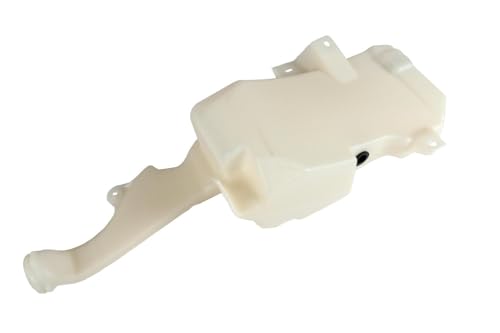
Washer fluid reservoirs hold the fluid that cleans your windshield, ensuring clear visibility while driving. Understanding these components can help you recognize when issues arise and prompt timely replacements.
Common Causes for Replacement
- Cracks and Leaks: Over time, plastic reservoirs can crack due to temperature fluctuations or impacts. You may notice fluid pooling under your vehicle, signaling a leak.
- Corrosion: Metal reservoirs can corrode due to exposure to moisture or road salt. This corrosion weakens the structure, potentially leading to leaks.
- Clogged Lines: Blockages in hoses can cause pressure build-up, which may damage the reservoir. You’ll experience reduced fluid flow or a complete lack of spray.
- Improper Installation: If a reservoir was replaced or repaired incorrectly, it may not fit properly. This misalignment can result in additional stress and eventual failure.
- Low Fluid Levels: Frequent need to refill washer fluid can indicate a leak in the reservoir. Regularly check fluid levels to detect this issue early.
- Visible Damage: Observe for cracks or stains on the reservoir. Damage may be evident during routine inspections.
- Inconsistent Spray: If the windshield sprayers fail to operate consistently or at all, the reservoir could be the culprit. Evaluate the entire system for functionality.
- Warning Lights: Many vehicles feature dashboard indicators for fluid levels. Ignoring these signals can lead to visibility issues while driving.
Cost Breakdown of Replacement
Replacing a washer fluid reservoir incurs costs for parts and labor. Understanding these expenses helps you budget for this essential maintenance.
Recommended Products

Direct replacement - this washer fluid reservoir cap is designed to match the fit and function of the original cap on specified vehicles

Fitment: Fit for Toyota Corolla 50th Anniversary Special Edition 2017, Corolla Base 2019, Corolla Le Eco Plus 2014, Corolla S 2014-2016, 2019, Corolla Special Edition 2016

High Pressure Output:This windshield washer fluid pump efficiently transfers windshield washer fluid from the reservoir to the spray nozzles, delivering stable pressure and even distribution. Consistent washer fluid flow helps remove road dirt, dust, and debris from the windshield for improved visibility during daily driving.
Parts Cost
The cost of a washer fluid reservoir typically ranges from $20 to $100, depending on your vehicle’s make and model. Aftermarket options often provide savings, while OEM (Original Equipment Manufacturer) parts might cost more. Additional components such as hoses or fittings may also be necessary, driving costs higher. For instance:
| Part Type | Average Cost |
|---|---|
| Aftermarket Reservoir | $20 – $60 |
| OEM Reservoir | $50 – $100 |
| Hoses and Fittings | $5 – $30 |
Labor Cost
Labor costs to replace a washer fluid reservoir commonly fall between $50 and $100. Many mechanics charge hourly rates, typically around $75 per hour. The straightforward nature of the job means it often takes less than an hour. If you opt to DIY, you’ll save these labor fees, though having some basic tools on hand is necessary.
DIY vs. Professional Replacement
Choosing between DIY replacement and hiring a professional depends on several factors. Consider your skills, tools, and comfort level when making this decision.
Recommended Products
Some GM Genuine Parts may have formerly appeared as ACDelco GM Original Equipment (OE)

🚗This product OE/OEM part number: 13227300 is a direct replacement for the replaced part numbers: 13227300, 12767700, 12788573, 19172571. perfect replacement. Note: Models that are not within the description range. Please do not purchase

Fitment Work well with most 12V cars with enough size to fit this washer pump. Universal car KEMIMOTO windshield washer is designed to fit most Car UTV ATVs boats and so on
Benefits of DIY Replacement
- Cost Savings: DIY replacement avoids labor fees, saving you $50 to $100. Parts typically range from $20 to $100.
- Skill Development: Completing the task boosts your mechanical skills, making future repairs easier.
- Flexibility: You can work on your schedule, whether it’s after work or on the weekend.
- Satisfaction: Successfully fixing your vehicle provides a sense of accomplishment.
- Complexity: If the job seems too complicated or involves additional repairs, consider hiring an expert.
- Time Constraints: If you’re short on time or lack the necessary tools, a mechanic can perform the replacement efficiently.
- Warranty Concerns: If your vehicle is under warranty, a dealership or certified mechanic might be required for compliance.
- Confidence Levels: If you’re uncomfortable or unsure about completing the job, it’s safer to get professional help.
Factors Influencing Replacement Costs
Replacement costs for a washer fluid reservoir can vary based on several key factors. Understanding these factors helps you plan financially for the repair.
Recommended Products

Compatible with Chevy: For Chevry Camaro 2010-2021, Equinox 2010-2020, Cruze Volt 2011-2016, Sonic 2012-2020, Malibu 2013-2021, Corvette 2014-2021, Impala 2014-2020, Silverado 1500 14-16 18-20, Colorado 2015-2021, Silverado 2500HD 15-16 18-21, Silverado 3500HD 15-16 18-21, Suburban Tahoe 15-20, Trax 2015-2021, Spark 16-21 washer fluid reservoir cap

Some GM Genuine Parts may have formerly appeared as ACDelco GM Original Equipment (OE)
Vehicle Make and Model
Vehicle make and model significantly impact the cost. Certain cars, like luxury or imported vehicles, tend to have higher parts costs, ranging from $60 to $150. For mainstream vehicles, parts are often cheaper, with prices between $20 and $80. Always check your specific vehicle to get accurate pricing.
Location and Labor Rates
Costs differ based on geographic location. Urban areas usually have higher labor rates, between $75 and $150 per hour, compared to rural areas, where rates can drop to $50 to $100. It’s advisable to ask local mechanics for estimates, as this gives you a better idea of what to expect in your area.
Conclusion
Replacing your washer fluid reservoir doesn’t have to break the bank. By understanding the potential costs and options available you can make a choice that fits your budget and needs. Whether you decide to tackle the repair yourself or seek help from a professional weighing the pros and cons will guide you in the right direction.
Remember that keeping your visibility clear is crucial for safe driving so addressing this maintenance issue promptly is key. With a little planning you can ensure your vehicle stays in top shape without overspending. Happy driving!
Frequently Asked Questions
What are the common symptoms of a cracked washer fluid reservoir?
A cracked washer fluid reservoir typically causes leaks, reduced washer fluid pressure, and warning lights on the dashboard. If you notice fluid pooling under your vehicle or if the windshield washer system isn’t functioning properly, it may be time to inspect or replace the reservoir.
How much does it typically cost to replace a washer fluid reservoir?
Replacing a washer fluid reservoir can cost between $70 to $200, depending on the part’s price and labor costs. Parts range from $20 to $100, plus labor, which averages $50 to $100. Additional components may increase overall replacement costs.
Can I replace the washer fluid reservoir myself?
Yes, you can replace the washer fluid reservoir yourself if you have basic mechanical skills and the right tools. This DIY approach can save you labor costs, but be sure to follow the specific instructions for your vehicle model to avoid issues.
What factors can affect the cost of replacing a washer fluid reservoir?
The cost can be influenced by the vehicle’s make and model, which affects part prices ranging from $20 to $150. Additionally, location impacts labor rates, which can vary from $50 to $150 per hour, depending on regional averages and mechanic experience.
Is it worth hiring a professional to replace my washer fluid reservoir?
Hiring a professional is worth it if you lack the time, tools, or confidence to perform the replacement. A mechanic can ensure the job is done correctly and may identify other related issues, potentially saving you from further expenses later.
