

Have you ever found yourself in a sticky situation, trying to clean your rear windshield but realizing the washer fluid is empty? It’s frustrating when your vehicle’s features don’t work as expected. You might wonder if there’s a separate reservoir for the rear washer fluid or if it shares the front’s supply.
Key Takeaways
- Washer Fluid System Basics: Most vehicles utilize a common reservoir for both front and rear washer fluids, but some feature separate tanks for increased control and functionality.
- Importance of Rear Washer Fluid: Maintaining adequate rear washer fluid is crucial for visibility and safety, particularly in adverse weather conditions.
- Understanding Reservoir Types: Integrated reservoirs serve both washer systems from one tank, while separate reservoirs provide distinct advantages, such as independent fluid use and targeted formulations.
- Regular Maintenance: Consistently check washer fluid levels and ensure nozzles are unclogged to maintain optimal performance and clear visibility.
- Troubleshooting Common Issues: Identify problems like low fluid levels, clogged nozzles, or faulty pumps through regular inspections and address them promptly to avoid compromising visibility during driving.
Overview Of Washer Fluid Systems
Washer fluid systems in vehicles consist of components designed to keep windshields, both front and rear, clear for safe driving. Understanding how these systems work can help you maintain them effectively.
Main Components
- Fluid Reservoir: The reservoir stores the washer fluid. Most vehicles have a single reservoir, but some models may include separate compartments for front and rear fluid.
- Pump Mechanism: A pump draws fluid from the reservoir and sends it to the nozzles. The pump activates when you pull the washer lever inside the vehicle.
- Washer Nozzles: Nozzles are located on the wiper arms or the hood. They spray fluid directly onto the glass, ensuring proper coverage.
Front vs. Rear Washer Fluid
- Common Reservoir: Many vehicles utilize a single reservoir for both the front and rear washers. This design simplifies the system and makes it easier to refill.
- Separate Reservoir: Some models feature distinct reservoirs for the rear washer fluid. This allows independent filling, which can be useful if you primarily use the rear wiper.
Maintenance Tips
- Check Fluid Levels: Regularly inspect the washer fluid level. Refill as needed to avoid running out.
- Clean Nozzles: Inspect the nozzles for clogs. Use a pin or needle to clear any blockages that may impede fluid spray.
- Use the Right Fluid: Always use washer fluid recommended by your vehicle manufacturer to avoid damage.
- No Fluid Flow: If you notice no fluid coming from the rear, check the reservoir level and inspect the pump. Ensure the washer lever functions correctly.
- Ineffective Cleaning: If the fluid sprays poorly, clean the nozzles and consider replacing old, diluted washer fluid.
Understanding your vehicle’s washer fluid system, including the possibility of separate reservoirs, empowers you to maintain clarity in all driving conditions.
Importance Of Rear Washer Fluid
Rear washer fluid plays a crucial role in maintaining visibility while driving. A clear rear windshield ensures a safe driving experience, especially in adverse weather conditions. Properly functioning rear washers help you keep your view unobstructed.
Common Misconceptions
Many believe that all vehicles have separate reservoirs for rear washer fluid. In reality, most vehicles use a shared reservoir for both the front and rear systems. This can lead to confusion, especially if you’re low on fluid for one and not the other. It’s essential to check your vehicle’s manual to understand its specific fluid system.
Benefits of Having a Separate Reservoir
Having a separate reservoir for rear washer fluid offers several advantages:
- Independent Control: You can refill rear washer fluid without affecting the front system, ensuring you always have enough for both.
- Targeted Solutions: You can use different fluid formulas for front and rear, such as using a stronger solution for removing road grime on the rear.
- Less Downtime: A dedicated reservoir can prevent interruptions during rear visibility maintenance, even when the front reservoir runs low.
Understanding the importance and benefits of rear washer fluid enhances your vehicle’s maintenance routine, contributing to safer driving conditions.
Types Of Washer Fluid Reservoirs
Understanding the types of washer fluid reservoirs helps you maintain your vehicle effectively. You’ll come across two primary designs: integrated and separate reservoirs.
Recommended Products

Fitment Work well with most 12V cars with enough size to fit this washer pump. Universal car KEMIMOTO windshield washer is designed to fit most Car UTV ATVs boats and so on

Compatible with Chevy: For Chevry Camaro 2010-2021, Equinox 2010-2020, Cruze Volt 2011-2016, Sonic 2012-2020, Malibu 2013-2021, Corvette 2014-2021, Impala 2014-2020, Silverado 1500 14-16 18-20, Colorado 2015-2021, Silverado 2500HD 15-16 18-21, Silverado 3500HD 15-16 18-21, Suburban Tahoe 15-20, Trax 2015-2021, Spark 16-21 washer fluid reservoir cap
Integrated vs. Separate Reservoirs
Integrated reservoirs serve both the front and rear windshield wipers from a single tank. Many modern vehicles utilize this type, offering convenience and simplicity in maintenance. When you refill, you refill for both sections, allowing fluid to flow as needed. However, this design can lead to frustrations if the rear washer runs out while the front is still full.
Separate reservoirs, while less common, provide distinct advantages. This design offers independent control, allowing you to address issues specific to the rear washer without affecting the front. It’s particularly beneficial in colder climates, where you might prefer a different fluid for the rear.
Vehicle-Specific Variations
Different vehicle models can affect the type and placement of washer fluid reservoirs. Compact cars typically feature integrated reservoirs due to space efficiency. Larger vehicles, like SUVs and trucks, may offer separate or dual tank systems for enhanced functionality.
Check your vehicle’s manual to determine the type you have. Some cars facilitate easy access to the rear reservoir. Others may require removal of components for refilling. Knowing this helps streamline your maintenance tasks.
Identifying Your Vehicle’s Configuration
Understanding your vehicle’s washer fluid system helps maintain optimal visibility. Some vehicles feature a separate reservoir for rear washer fluid, while others use a single tank for both front and rear wipers.
Recommended Products
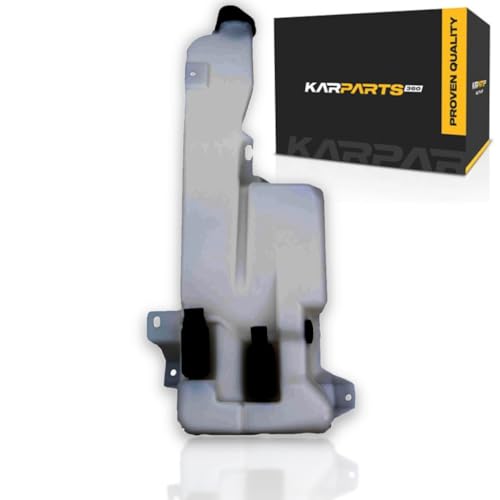
Part: Windshield Washer Tank Assembly

[Vehicle Fitment-1]: Compatible with Cadillac DeVille 1996-1999, Eldorado 1996-2000, Seville 1996-1997; Compatible with Chevrolet Colorado 2008-2012, fit for Corvette 1992-1996, Express 1500 1996, Express 2500 1996, Express 3500 1996, G10 1992-1995, G20 1992-1995, G30 1992-1996; Compatible with Buick Century 1994-1996 (Rear Windshield; Sedan), Century 1998 (1st Design; Inlet at 90 Degree to Pump), Park Avenue 1997-2005, Regal 1998 (1st Design; Inlet at 90 Degree to Pump)
How To Check Your Washer Fluid System
- Locate the Reservoir: Check your owner’s manual to find the washer fluid reservoir’s location. Common places include the engine compartment or near the windshield.
- Inspect the Cap: Open the cap and look for labels indicating whether it’s for front or rear fluids.
- Check Fluid Levels: Use a dipstick if available, or simply look inside. Fluid should cover the minimum mark.
- Identify Connection Lines: Trace the lines to the rear wiper. If they branch off from the same reservoir, your vehicle likely has an integrated system.
- Distinct Caps: Separate tanks often have two distinct caps, one for front and one for rear fluid.
- Independent Filling: If you can fill the rear fluid without affecting the front’s level, your vehicle has a separate reservoir.
- Different Fluid Levels: Noticeable differences in fluid levels for rear and front sections indicate independent reservoirs.
- User Manual Information: Consult your owner’s manual for a clear description of the reservoir type specific to your vehicle model.
Maintenance Tips For Washer Fluid Systems
Maintaining your vehicle’s washer fluid system ensures clear visibility while driving. Regular maintenance can help you address minor issues before they escalate.
Recommended Products

Removes and repels the toughest road grime

This item can no be shipped to the state in California, Техаs, Arizona please check with the manufacturer regarding warranty and support issues.

SUPER CONCENTRATED WASHER FLUID: 16 fl oz washer fluid bottle makes 165 gallons of summer blend washer fluid. Just pump three times per gallon of water, directly into your windshield washer fluid tank.
Importance of Regular Checks
Regularly checking the washer fluid is crucial for functionality. Inspect fluid levels every month, especially before long trips. Empty reservoirs can compromise visibility. Look for signs of low fluid, such as unusual streaks on your windshield. Ensure no leaks exist by examining hoses and connections. Keeping the system filled prevents clogs in nozzles and promotes efficient operation.
Troubleshooting Common Issues
Experiencing problems with your washer fluid system? Here are steps to troubleshoot common issues:
- Clogged Nozzles:
- Use a pin or needle to gently clear any blockages in the nozzles.
- Run your system periodically to check if the fluid sprays evenly.
- Low Fluid Levels:
- Check the reservoir and fill it with appropriate washer fluid.
- Don’t use water, especially in cold climates, as it can freeze.
- Faulty Pump:
- Test the pump by pressing the washer switch. If you don’t hear a motor sound, the pump may need replacement.
- Consult your user manual for specifics on pump access.
- Damaged Hoses:
- Inspect hoses for cracks or leaks. Replace any damaged hoses to prevent fluid loss.
- Ensure connections are tight to avoid air getting into the system.
- Electrical Issues:
- Check fuses if your washer system fails to operate. Replace any blown fuses safely.
- Consider consulting a mechanic if electrical problems persist.
Taking these maintenance steps enhances safety and the washer fluid system’s longevity.
Conclusion
Understanding your vehicle’s washer fluid system can make a big difference in your driving experience. Whether your car has a separate reservoir for rear washer fluid or not it’s essential to keep an eye on fluid levels and maintain the system. Regular checks and maintenance can help prevent those frustrating moments when you need to clear your rear windshield but find yourself out of fluid. By staying proactive you’ll ensure that your visibility remains clear and your safety on the road is prioritized. So next time you top off your washer fluid take a moment to appreciate how it all works together to keep you safe.
Frequently Asked Questions
Why is my rear windshield washer fluid reservoir empty?
An empty rear windshield washer fluid reservoir can be due to leaks, a faulty pump, or simply running out of fluid. It’s important to regularly check both fluid levels and any visible signs of damage to ensure proper functionality.
How do I maintain my washer fluid system?
To maintain your washer fluid system, regularly check the fluid levels, inspect for leaks, and clean nozzles to prevent clogs. Additionally, troubleshoot issues like low fluid levels, damaged hoses, or faulty pumps to enhance visibility and safety.
What are the benefits of a separate rear washer fluid reservoir?
Having a separate rear washer fluid reservoir ensures that the back windshield can be cleaned effectively without affecting the front fluid supply. This distinction enhances safety by improving visibility while driving.
What types of washer fluid reservoirs exist?
Washer fluid reservoirs come in two main types: integrated and separate. Integrated reservoirs combine up to two fluid supplies, while separate reservoirs dedicate specific systems for front and rear washers, improving efficiency and fluid management.
How often should I check my washer fluid levels?
It’s a good practice to check your washer fluid levels at least once a month, or more frequently during seasons with heavy road debris or inclement weather, to ensure clear visibility on the road.
