

Ever been on the road when your windshield suddenly gets dirty, and you reach for the washer fluid, only to find it won’t spray? It’s frustrating, right? You’re not alone—this is a common issue many drivers face.
Key Takeaways
- Common Causes: Washer fluid may not spray due to clogged nozzles, low fluid levels, or a faulty pump.
- Troubleshooting Steps: Check fluid levels, inspect and clear nozzles, and test the pump for proper functionality.
- Preventive Maintenance: Regularly check fluid levels, clean nozzles, inspect hoses, and switch to a winter blend washer fluid to enhance performance.
- Know When to Seek Help: Persistent issues, pump failures, electrical problems, and visible leaks should prompt consultation with a professional.
- Regular Inspection: Inspect connections, flush the system each season, and maintain a record of maintenance to prevent issues.
Common Reasons For Washer Fluid Not Spraying
Several factors can cause washer fluid not to spray. Understanding these issues can help you identify and fix the problem quickly.
Recommended Products

【Material】LUOTIVON Windshield Washer Nozzle is made of high quality plastic which is corrosion and dust resistant, structure strong and ruggedly built to last years. Package includes 2 pack of Windshield Washer Nozzles with gasket.

[High quality]: The Windshield Washer Hose Kit adopts high-quality Nylon Material, with light weight, strong corrosion resistance and durability, High quality to efficiently prolong the Wiper blade life time
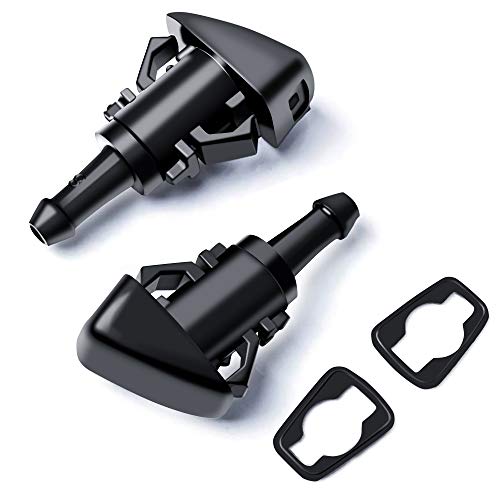
Replace OEM: # 4805742AB, 4805742AC, 5116079AA, 5113049AA, 5303833AA, 55077460AA, 5160308AA
Clogged Nozzles
Clogged nozzles prevent fluid from reaching your windshield. Debris, dirt, or even ice can block the openings. Inspect the nozzles regularly. Clear any blockages with a fine needle or compressed air. If you notice persistent clogs, consider replacing the nozzles to ensure proper operation.
Low Fluid Levels
Low fluid levels occur when the washer fluid reservoir runs empty. Regularly check the reservoir, especially before long trips. Fill it with the appropriate washer fluid. If the level is consistently low, inspect for leaks in the lines or reservoir, as they could lead to fluid loss.
Faulty Pump
A faulty pump stops the fluid from spraying. Listen for a humming sound when activating the washer. If you hear nothing, the pump may have failed. Testing the pump with a multimeter can confirm its functionality. If it’s defective, replacement is necessary to restore performance.
Troubleshooting Steps
If your washer fluid isn’t spraying, follow these troubleshooting steps to identify and fix the issue.
Recommended Products

Complete Washer System Solution - 10-piece kit includes: 1 nozzle cleaner tool, 5 stainless steel needles for spray jet cleaning, and 5 nylon brushes designed to clean washer hoses, tubes, and fluid lines; tackles blockages and buildup throughout your entire windshield washer system, not just the nozzles

PRECISE NOZZLE ADJUSTMENT: Realign car washer jets instantly to for restore optimal spray patterns and clear vision without damaging your vehicle's

Vehicle Specific Fit: Suitable for Honda Civic 2017-2021, for Honda Civic 2 Door EX (TURBO/6MT), KA 6MT 2017-2018, for Honda Civic 2 Door EX (TURBO), KA CVT 2019, for Honda Civic 2 Door EX; KA CVT 2020, for Honda Civic 4 Door EX (LEATHER/TURBO) KA CVT 2021.
Check Fluid Levels
Start by checking the washer fluid reservoir. Open the hood and locate the reservoir. If the fluid level is low or empty, refill it with the appropriate washer fluid. Regularly checking your fluid levels prevents this common issue.
Inspect Nozzles
Next, inspect the washer nozzles for clogs. Use a small pin or needle to clear any debris that may be blocking them. After cleaning, activate the washer fluid spray to test if the flow improves. Clean nozzles ensure an even spray across your windshield.
Test the Pump
Lastly, test the washer pump. With the vehicle running, activate the washer fluid spray. If you don’t hear a humming sound from the pump, it may be faulty. Use a multimeter to check for power to the pump. If there’s no power, you may need to replace the fuse or the pump itself. A functioning pump is crucial for delivering washer fluid.
Preventive Measures
Maintaining proper washer fluid function is essential for clear visibility. Implementing preventive measures ensures you avoid issues with spray malfunction.
Regular Maintenance
- Check Fluid Levels: Regularly inspect your washer fluid reservoir. Filling it up when levels drop prevents dry nozzle problems.
- Clean Nozzles: Periodically clean the spray nozzles. Use a pin or needle to clear any debris that might block fluid flow.
- Examine Hoses: Inspect the hoses connected to the washer system. Look for cracks or leaks that disrupt fluid delivery.
- Test the Pump: Check the washer pump for functionality. Listen for a humming sound when activated, signaling it’s working correctly.
- Winter Preparation: Before winter, switch to a winter blend washer fluid. This prevents freezing and ensures fluid sprays properly in cold temperatures.
- Inspect Connections: As seasons change, inspect connections for debris or wear. Ensuring connections are secure maintains optimum performance.
- Flush the System: At the start of each season, consider flushing the system. This action removes old fluid and potential contaminants, promoting proper spraying function.
When To Seek Professional Help
If you’ve checked the basics—fluid levels, nozzles, and hoses—and the washer fluid still isn’t spraying, it may be time to consult a professional. Here are some signs that indicate you shouldn’t delay seeking assistance:
- Persistent Issues
If the problem continues after you’ve cleaned nozzles and replaced fluid, you might face a more significant issue. Don’t ignore consistent problems. - Pump Failure
If your pump doesn’t respond after testing it directly, a professional should inspect it. A faulty pump often requires replacement. - Electrical Problems
If you notice fuses blowing or wiring issues around the washer system, these can indicate deeper electrical problems. It’s best handled by an expert. - Fluid Leaks
If you see fluid pooling under your vehicle, this signifies a leak in the washer system. A professional can locate and fix the source effectively. - Dashboard Warnings
If your dashboard shows warnings related to your wiper or fluid system, it’s essential to address these signals quickly. They may indicate malfunctioning components. - Unusual Noises
If the pump makes strange noises when activated, it’s a warning sign. Grinding or whining sounds suggest that internal components may be damaged. - Lack of Maintenance History
If you lack records of regular maintenance, harmful buildup can affect the washer system. A professional can perform a comprehensive inspection.
In these situations, trusting a skilled technician can save you time and effort. They can accurately diagnose the problem and recommend the best solution.
Recommended Products

Fix Washer Failure Instantly: Windshield washer pump reservoir kit designed to fix common issues like fluid leaks, weak spray or non-working washer systems. Restore clear visibility in minutes.

Fitment Work well with most 12V cars with enough size to fit this washer pump. Universal car KEMIMOTO windshield washer is designed to fit most Car UTV ATVs boats and so on

HIGH QUALITY MATERIAL: The windshield washer hose kit is made of high quality rubber, soft and elastic, strong and durable.
Conclusion
Getting your washer fluid to spray again doesn’t have to be a hassle. By keeping an eye on your fluid levels and maintaining the system regularly you can avoid most issues. If you notice signs that something’s off don’t hesitate to dig a little deeper or call in a professional. Staying proactive will save you time and ensure your visibility on the road remains clear. Remember that a little maintenance goes a long way in keeping your washer fluid system in top shape. Happy driving!
Frequently Asked Questions
What are common reasons for windshield washer fluid issues?
Common issues include clogged nozzles, low fluid levels, and a faulty pump. These problems can prevent your windshield washer system from functioning properly.
How can I fix clogged washer nozzles?
You can clean clogged washer nozzles by using a pin to gently clear the blockage or soaking them in warm, soapy water for a few minutes. This helps restore proper fluid flow.
When should I refill windshield washer fluid?
Refill your windshield washer fluid when the reservoir is low. Regular checks, especially before long trips or during seasonal changes, can help ensure you always have enough fluid.
What maintenance steps can I take for my washer fluid system?
Regularly check fluid levels, clean nozzles, inspect hoses, and test the pump. Seasonal flushing of the system is also recommended to keep it functioning smoothly.
How can I tell if the washer fluid pump is faulty?
Signs of a faulty pump include no fluid spraying, unusual noises when activated, or dashboard warnings. If these occur, testing or replacing the pump may be necessary.
What should I do if my washer fluid system still doesn’t work?
If basic troubleshooting doesn’t resolve the issue, consider seeking professional help. Signs like persistent issues, fluid leaks, or electrical problems often indicate the need for expert diagnosis.
Why should I use winter blend washer fluid?
Winter blend washer fluid is designed to perform better in cold temperatures, preventing it from freezing and ensuring your windshield remains clear during winter driving conditions.
