

Ever found yourself at the auto shop, staring at shelves filled with colorful liquids and wondering if coolant and washer fluid are the same? You’re not alone. Many car owners face this confusion, especially when it comes to maintaining their vehicles.
Key Takeaways
- Distinct Functions: Coolant and washer fluid serve different purposes; coolant regulates engine temperature, while washer fluid cleans windshields to improve visibility.
- Composition Differences: Coolant contains antifreeze agents like ethylene glycol or propylene glycol, whereas washer fluid is made from water and detergents to dissolve grime.
- Maintenance Needs: Regularly check and replace coolant every 30,000 to 50,000 miles for optimal engine health; top off washer fluid frequently, especially in adverse weather conditions.
- Common Misconceptions: Coolant and washer fluid are not interchangeable; using the wrong fluid can cause serious vehicle issues.
- Color Indicators: The color of coolant (green, orange, or pink) indicates different formulations, while washer fluid is often blue or clear, highlighting its cleaning agents.
Overview of Coolant and Washer Fluid
Coolant and washer fluid serve distinct purposes in a vehicle’s operation and maintenance. Understanding these differences ensures you’re using each product correctly.
Coolant
Coolant, also known as antifreeze, is a liquid that helps regulate your engine’s temperature. It prevents overheating and protects against freezing in colder climates. Here are key points about coolant:
- Composition: Coolant contains ethylene glycol or propylene glycol along with water and various additives. These ingredients prevent corrosion and improve performance.
- Functionality: Coolant circulates through the engine and radiator to maintain optimal operating temperatures. It absorbs heat from the engine and dissipates it through the radiator.
- Color Variations: Coolant comes in various colors, including green, orange, and pink. Each color may indicate specific formulations, so always check the vehicle’s manual for the recommended type.
Washer Fluid
Washer fluid, or windshield washer fluid, is designed to clean your windshield and improve visibility. It plays a vital role in safety while driving. Key aspects include:
- Composition: Washer fluid typically includes water, alcohol, detergents, and sometimes antifreeze components. These help dissolve grime and prevent freezing in low temperatures.
- Functionality: When activated, washer fluid sprays onto the windshield to clear dirt, bugs, and other debris. It enhances visibility, especially during adverse weather conditions.
- Variety in Formulations: Many washer fluids come with added fragrances or anti-freezing properties, tailored for specific climates. Always select one that suits your driving environment.
By recognizing these differences, you can ensure proper maintenance of your vehicle. Regularly check coolant levels and refill washer fluid as needed for safe driving.
Function of Coolant
Coolant plays a crucial role in maintaining your engine’s optimal performance. It regulates the engine temperature, ensuring it operates efficiently without overheating or freezing.
Recommended Products


Single Quantity

Importance in Engine Temperature Regulation
Engine temperature regulation is vital for performance and longevity. Coolant circulates through the engine and radiator, absorbing excess heat. By maintaining a steady temperature, it prevents components from warping or seizing. Coolant also lowers the freezing point of the liquid in cold temperatures, ensuring smooth operation in various climates. Effective temperature control means reduced risk of breakdowns and increased vehicle lifespan.
Types of Coolants Available
Various types of coolants are available, each designed for specific engine needs:
- Ethylene Glycol-Based Coolants: These are common in many vehicles. They offer excellent heat transfer and freeze protection but are toxic, so handle them with care.
- Propylene Glycol-Based Coolants: Less toxic than ethylene glycol, these coolants still provide effective protection. They’re often used in vehicles with safety concerns, such as those frequently transporting children or pets.
- Organic Acid Technology (OAT) Coolants: These are formulated to last longer, generally needing replacement every five years or 150,000 miles. They protect against rust and corrosion, ideal for modern engines.
- Hybrid Organic Acid Technology (HOAT) Coolants: Combining features of both conventional and OAT coolants, HOAT coolants work well in many applications, including European and some domestic vehicles.
Choosing the right coolant depends on your vehicle’s specifications. Always refer to your owner’s manual or consult with a trusted mechanic to ensure compatibility.
Function of Washer Fluid
Washer fluid plays a crucial role in maintaining clear visibility while driving. It effectively cleans your windshield and other glass surfaces, removing dirt, grime, and road debris.
Recommended Products

This item can no be shipped to the state in California, Техаs, Arizona please check with the manufacturer regarding warranty and support issues.

EXTREME COLD PROTECTION: Formulated to provide reliable -20°F freeze protection, keeping your windshield washer system functioning in harsh winter conditions

Add to existing washer fluid
Importance in Visibility and Safety
Visibility directly influences safe driving. Clean windshields prevent obstructions that can lead to accidents. Using washer fluid ensures your view remains unobstructed by bugs, dust, and other contaminants. In adverse weather conditions, like rain or snow, washer fluid enhances safety by improving wiper performance and keeping the glass clear.
Types of Washer Fluids Available
Washer fluids come in various formulations, catering to different needs:
- All-Season Washer Fluid: This versatile option works well year-round. It’s effective in temperatures as low as -20°F, ensuring your glass stays clean in winter.
- Winter Washer Fluid: This type contains antifreeze agents to prevent freezing. It’s ideal for harsh winter conditions and effectively removes ice and snow.
- Bug Remover Formula: Designed specifically for summer driving, this fluid contains additives that dissolve stubborn bug residue, improving your view.
- Cleaning Solutions: These may include special detergents for extra cleaning power. They target tough stains and grime that regular fluids may not remove.
Selecting the right washer fluid ensures optimal performance and enhances driving safety.
Key Differences Between Coolant and Washer Fluid
Coolant and washer fluid serve different purposes in vehicle maintenance. Understanding their key differences can help you maintain your vehicle effectively.
Recommended Products

Removes and repels the toughest road grime
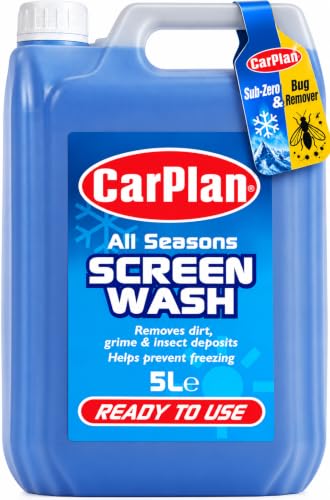
READY TO USE FORMULA: Pre-mixed 169 Fl Oz windshield washer fluid saves time and effort with no dilution needed; simply pour and go for instant cleaning performance.

Melts ice & frost fast, -34 degrees F protection
Composition and Chemical Properties
Coolant features a mixture of water and antifreeze, usually ethylene glycol or propylene glycol. This mixture prevents overheating and freezing, enhancing engine cooling. You’ll find various colors, like green, orange, or pink, indicating different formulations and additives.
Washer fluid, in contrast, typically contains water mixed with detergents and alcohol. These components help break down dirt and grime on windshields. You may also encounter special additives designed for specific tasks, such as bug removal or winter protection.
Applications and Usage
Coolant circulates through the engine and radiator. It absorbs heat, preventing the engine from overheating, and it protects against corrosion. Regularly checking coolant levels is vital to ensure optimal engine performance and avoid costly damage.
Washer fluid cleans your windshield for improved visibility while driving. You should routinely check and refill your washer fluid reservoir, especially before long trips or in adverse weather conditions. Selecting the appropriate washer fluid for the season enhances its effectiveness, providing better visibility and safety on the road.
Common Misconceptions
Many misconceptions exist about coolant and washer fluid. Understanding these can prevent improper fluid usage in vehicles.
Myths About Coolant and Washer Fluid
- Myth 1: Coolant and washer fluid are interchangeable. This myth stems from a lack of knowledge about their distinct functions. Coolant regulates engine temperature, while washer fluid cleans windshields. Using one for the other can lead to serious vehicle issues.
- Myth 2: All fluids look the same. While both fluids may be liquid, they have different colors and properties. Coolant typically appears green, orange, or pink, depending on its formulation. Washer fluid often appears blue or clear, showing it contains different cleaning agents.
- Myth 3: You can use water instead of coolant. Water can temporarily cool your engine, but it lacks antifreeze properties. Coolant prevents freezing and boiling, ensuring your engine operates efficiently under various temperatures.
- Function: Coolant maintains engine temperature. It circulates through the radiator, absorbing heat away from engine parts. Washer fluid clears dirt and debris from windshields, ensuring visibility while driving.
- Composition: Coolant contains antifreeze agents, usually ethylene glycol or propylene glycol, mixed with water. This combination prevents freezing in winter and boiling in summer. Washer fluid consists mainly of water and cleaning agents that help remove grime without damaging glass surfaces.
- Maintenance Needs: Checking and replacing coolant is crucial for engine health, typically every 30,000 to 50,000 miles. Washer fluid needs frequent topping off, especially if you use your windshield wipers frequently during insect season or rainy conditions.
Understanding these differences helps you maintain your vehicle properly and ensures safety while driving.
Conclusion
Knowing the difference between coolant and washer fluid can save you from potential issues down the road. Each has its unique purpose and using them correctly is key to keeping your vehicle running smoothly. By ensuring you maintain the right fluids in your car you’re not just enhancing performance but also boosting your safety. So next time you check your fluids remember that keeping them separate is a step towards better vehicle care.
Frequently Asked Questions
What is the primary function of coolant in a vehicle?
Coolant regulates the engine’s temperature, preventing it from overheating or freezing. It circulates through the engine and radiator, absorbing heat and dissipating it to maintain an optimal operating temperature.
How does washer fluid differ from coolant?
Washer fluid is specifically designed to clean windshields and improve visibility while driving, whereas coolant’s main role is to manage engine temperature. They serve distinct purposes and should not be used interchangeably.
Can I use water instead of coolant in my vehicle?
Using water instead of coolant is not advisable. While water may seem like a temporary solution, it lacks the necessary additives found in coolant that prevent corrosion and provide freezing and boiling point protection for engine health.
What are the common misconceptions about coolant and washer fluid?
Many people mistakenly believe that coolant and washer fluid are interchangeable or that water can suffice in place of coolant. It’s essential to recognize that they have different chemical compositions and functions, which affects vehicle performance and safety.
Why is proper maintenance of coolant and washer fluid important?
Proper maintenance ensures that the engine runs efficiently and maintains the proper temperature to avoid overheating. Additionally, clean washer fluid is vital for clear visibility, crucial for safe driving conditions. Neglecting either can lead to serious vehicle issues.
