

Have you ever wondered how well your protective coatings hold up against the elements? If you use Fluid Film to safeguard your vehicle or equipment, you might be asking yourself whether it washes off easily. It’s a common concern for anyone looking to maintain their investments and keep them in top shape.
You’re not alone in this; many people face the challenge of finding the right balance between protection and durability. In this article, you’ll discover how Fluid Film performs under various conditions and what you can do to ensure it lasts longer. Understanding this can save you time and money while keeping your gear in great condition.
Key Takeaways
- Fluid Film Definition: Fluid Film is a wax-based rust inhibitor that forms a protective layer against moisture and corrosion, ideal for vehicles, machinery, and tools.
- Common Applications: It is utilized in various settings including automotive undercarriages, heavy machinery, marine environments, and household tools to prevent rust and extend lifespan.
- Environmental Impact: Factors like temperature, humidity, and exposure to chemicals significantly affect how well Fluid Film withstands wash off, necessitating careful consideration of application conditions.
- Application Techniques Matter: Proper surface preparation and application methods (spraying vs. brushing) are crucial for maximizing Fluid Film’s durability and effectiveness.
- Performance Variability: Fluid Film provides solid protection in short-term scenarios but may require more frequent reapplications in areas of long-term harsh exposure, like saltwater environments.
- Maintenance Strategy: Regular inspections and maintenance are key to ensuring continued effectiveness, especially for vehicles and equipment subjected to severe weather conditions.
Understanding Fluid Film
Fluid Film is a protective coating that prevents rust and corrosion. It’s vital for maintaining the longevity of equipment and vehicles exposed to harsh environments.
What Is Fluid Film?
Fluid Film is a wax-based rust inhibitor. It contains a unique combination of natural propellants and oils that create a thin, protective layer. This layer clings to surfaces, preventing moisture and corrosive elements from causing damage. It’s often used not just for vehicles but also on machinery, tools, and other metal items requiring extra protection.
Common Uses of Fluid Film
Fluid Film has various practical applications, including:
- Automotive Protection: You can apply Fluid Film to the undercarriage and body of your vehicle. This shields it from salt, moisture, and dirt, reducing rust formation and extending its lifespan.
- Heavy Machinery Maintenance: Fluid Film works well on construction and agricultural equipment. It protects metal surfaces from wear and tear caused by the elements.
- Marine Applications: Fluid Film is effective for boats and marine equipment. It prevents corrosion in saltwater environments, keeping surfaces safe from the damaging effects of salt and moisture.
- Household Tools: You can coat tools with Fluid Film to protect them from rust. This is particularly useful for tools stored in damp basements or garages.
By understanding what Fluid Film is and its common uses, you can effectively protect your investments from rust and corrosion, ensuring they remain in good condition.
Factors Influencing Wash Off
Several factors influence how effectively Fluid Film withstands wash off. Understanding these influences helps you maximize its protective benefits.
Recommended Products

Perfect for use on bare or primed metal underbodies of cars, trucks, trailers, RVs and more
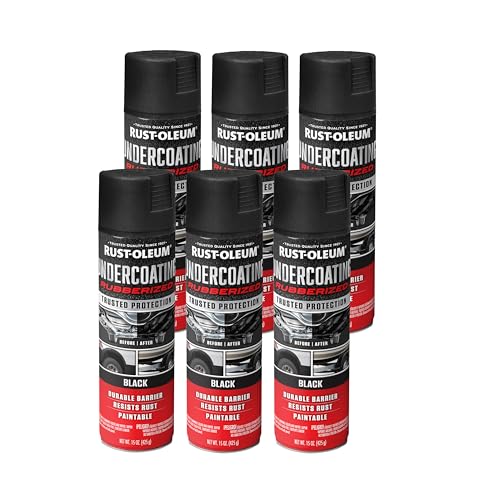
Perfect for use on bare or primed metal underbodies of cars, trucks, trailers, RVs and more

The information below is per-pack only
Environmental Conditions
Environmental conditions significantly impact the longevity of Fluid Film. Factors such as temperature, humidity, and exposure to chemicals play crucial roles.
- Temperature: Higher temperatures can degrade the coating faster, while lower temperatures might cause it to harden, reducing its protective qualities.
- Humidity: Moist environments promote corrosion, which may lead to faster wash off. In contrast, dry conditions can help maintain the effectiveness of Fluid Film.
- Chemical Exposure: Exposure to harsh chemicals, such as road salts or cleaning agents, accelerates wash off. Keeping equipment away from these chemicals prolongs protection.
Application Techniques
Application techniques also affect how well Fluid Film adheres and protects surfaces.
- Surface Preparation: Cleaning surfaces before applying Fluid Film ensures better adhesion. Remove dirt, rust, and existing coatings to create a suitable base.
- Application Method: Spraying creates a thin, even film that’s less likely to wash off. Brushing or rolling may lead to thicker applications prone to peeling.
- Coverage: Complete coverage of all exposed surfaces provides maximum protection. Pay attention to seams and crevices where water might accumulate.
By considering these factors, you can enhance the effectiveness of Fluid Film and ensure optimal protection against rust and corrosion.
Performance in Different Scenarios
Fluid Film’s effectiveness can vary based on different exposure scenarios. Evaluating these situations helps determine how efficiently it protects against rust and corrosion.
Recommended Products

Rust and Corrosion Prevention

Fluid Film Premium Kit - The Fluid Film Kit features 11.75 oz. spray bottles (3 Pack), a spray can extension wand, and the Can-Gun1 Premium Can Tool Aerosol Spray for superior control and ease of use.
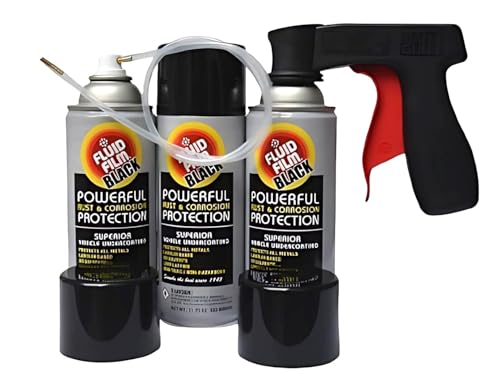
Fluid Film Premium Kit - The Fluid Film Kit features 11.75 oz. Spray 3 bottles, a spray can extension wand, and the Can-Gun1 Premium Can Tool Aerosol Spray for superior control and ease of use.
Short-term Exposure
In short-term scenarios, Fluid Film performs well under light moisture and minimal contaminants. For example, if you apply it before a short road trip or a brief exposure to rain, expect solid protection. The coating forms a barrier that adheres to surfaces, shielding them from moisture for several days. However, heavy rain or direct pressure washing can wash off the product more easily. Proper application—ensuring even coverage and avoiding excess—maximizes its benefits in these situations.
Long-term Exposure
Long-term exposure presents more challenges. Prolonged contact with harsh environmental factors like saltwater or extreme temperatures can compromise the coating. For instance, vehicles exposed to coastal weather may need more frequent reapplications to maintain protection. The heat may cause Fluid Film to thin or degrade, prompting the need for regular inspections. Understanding these factors allows you to plan maintenance schedules strategically, ensuring your investments remain protected over time.
Conclusion
Fluid Film can be a fantastic choice for protecting your assets from rust and corrosion. However its effectiveness can vary based on how it’s applied and the conditions it faces. You’ll want to keep an eye on the environment and plan for maintenance to ensure long-lasting protection. By understanding its limitations and taking the right steps you can maximize its benefits and keep your investments safe.
Frequently Asked Questions
What is Fluid Film?
Fluid Film is a protective coating known for its effectiveness in preventing rust and corrosion. Composed of a proprietary blend of materials, it provides a versatile solution for various applications, from automotive to marine environments.
How does Fluid Film protect against rust?
Fluid Film protects against rust by creating a barrier that repels moisture and prevents oxygen from reaching metal surfaces. This reduces the chances of corrosion under various environmental conditions.
What factors affect the wash off of Fluid Film?
Factors affecting the wash off of Fluid Film include environmental conditions like heavy rain, temperature, and the technique used during application. Proper application technique can significantly enhance its effectiveness.
Can Fluid Film withstand harsh environments?
While Fluid Film offers solid protection, long-term exposure to extreme conditions, such as saltwater and high temperatures, can compromise its effectiveness. Regular maintenance is necessary for optimal long-term protection.
How should I apply Fluid Film for best results?
For best results, apply Fluid Film on clean, dry surfaces using a spray or brush. Ensure even coverage and allow it to dry fully. Consider reapplication after heavy exposure to moisture to maintain protection.
