

Have you ever found yourself driving on a rainy day, only to discover your windshield washer fluid light is on? It’s frustrating when you can’t see clearly because your washer system isn’t working. A faulty washer fluid sensor could be the culprit, and replacing it isn’t as daunting as it sounds.
Key Takeaways
- Understanding the Role of the Sensor: Windshield washer fluid sensors are essential for monitoring fluid levels and ensuring you have adequate visibility while driving.
- Common Symptoms of Malfunction: Look for warning light failures, erratic alerts, and inconsistent fluid dispensing to identify a faulty sensor early.
- Essential Tools for Replacement: Gather a socket set, pliers, screwdriver, wire strippers, and ramps/tow straps to facilitate a smooth sensor replacement process.
- Step-by-Step Replacement Guide: Follow the proper steps to locate, disconnect, and install the new windshield washer fluid sensor to ensure its effective operation.
- Importance of Maintenance: Regularly check fluid levels, test the washer system, and clean the sensor to maintain its functionality and prevent unnecessary issues.
- Consult Professionals if Needed: If replacement doesn’t resolve the issue or if you’re uncertain about installation, consult a mechanic for assistance to avoid further complications.
Understanding Windshield Washer Fluid Sensors
Windshield washer fluid sensors play a crucial role in maintaining visibility while driving. These sensors monitor the level of fluid in the reservoir and alert you when it’s low, ensuring you always have sufficient fluid for cleaning your windshield.
Recommended Products

OEM Part Number: Windshield washer fluid sensor replace OEM# 289111E400 5S6627 18-0825 2502-306621 71-3603
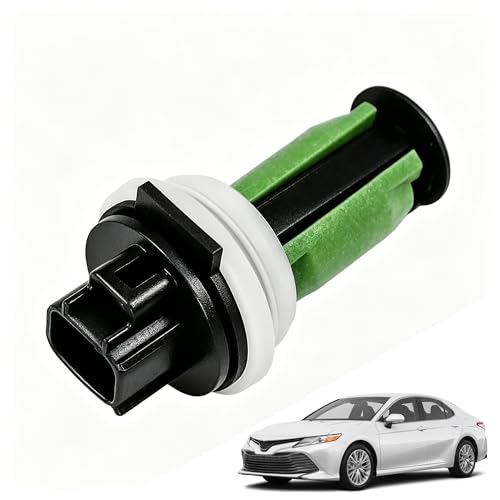
Durable Construction: Built with corrosion-resistant plastic housing and stable internal components, this sensor withstands daily wear and temperature changes to deliver long-term reliability

Fitment: Car windshield wiper fluid level sensor compatible with Nissan 1995-2008 Maxima, 2003-2007, 2009-2014 Murano, 2004-2009, 2011-2017 Quest, 2003-2006 Sentra, 2002-2004 Frontier, 2002-2004 Xterra, 2014-2020 GT-R, 2004-2017 350Z, 2009-2020 370Z, 1993-2006, 2019-2020 Altima, 2017-2021 Armada, etc
Function of the Sensor
The windshield washer fluid sensor detects the fluid level within the reservoir. It sends signals to your vehicle’s dashboard, triggering a warning light when the fluid dips below a certain threshold. This function helps prevent running out of washer fluid unexpectedly, which can obstruct your view during inclement weather.
Common Symptoms of Failure
Recognizing the symptoms of a failing windshield washer fluid sensor can save you time and frustration. Here are some common signs to look for:
- Warning Light Malfunction: If the warning light doesn’t activate when the fluid is low, the sensor may be faulty.
- Erratic Alerts: Receiving random alerts about low fluid levels, even when the reservoir is full, indicates a malfunction.
- Inconsistent Fluid Dispensing: If the washer system struggles to dispense fluid, the sensor may not be reporting accurately.
By paying attention to these symptoms, you can address the issue promptly, avoiding complications with your vehicle’s visibility.
Tools and Materials Needed
Replacing the windshield washer fluid sensor is straightforward with the right tools and materials. Gather the following items to make the process smooth.
Recommended Products

32°F+ Summer Blend: Ideal for warm-weather driving conditions while maintaining optimal cleaning power

Crystal Clear Streak-Free Vision: Advanced windshield cleaner delivers spot-free clarity with every spray-professional-grade performance without streaks or smears

HIGH-YIELD WINDSHIELD WASHER FLUID: One 250 ml bottle makes over 6 gallons of washer solution, giving you a concentrated wiper fluid option for routine automotive windshield cleaning.
Essential Tools
- Socket Set: Use a ratchet and sockets to remove any screws or bolts securing the sensor.
- Pliers: Helpful for disconnecting any clips or hoses attached to the sensor.
- Screwdriver: A flathead or Phillips screwdriver aids in removing screws in tight spaces.
- Wire Strippers: Necessary if you need to cut or splice any wires during the replacement.
- Tow Straps or Ramps: If your vehicle sits low, these help raise it for better access under the hood.
- Clear Windshield Washer Fluid: Opt for a fluid designed to prevent streaks and ensure clarity.
- Winter Formula: Use this in colder climates to prevent freezing and enhance performance in cold weather.
- Additives: Look for washer fluid with cleaning agents or those designed to remove grime and road sap effectively.
Step-by-Step Guide to Replacement
Replacing the windshield washer fluid sensor requires careful steps to ensure proper functionality. Follow this guide for a smooth process.
Recommended Products

Accurate Detection: This washer fluid sensor uses resistive sensing technology to accurately detect fluid levels, instantly alerting the driver when a refill is needed to maintain a clear view through the windshield

Replace Part Number: 289111E400 5S6627 18-0825 2502-306621 71-3603

[Compatible With:]Q40:2015,Q45:1997-2001,Q50:2014-2021,Q60:2014-2021,QX4:1999-2003,QX50:2014-2017,QX56:2011-2013,QX70:2014-2017,QX80:2014-2021,350Z:2003-2009,370Z:2009-2020,Altima:1993-2021,Armada:2017-2021,Frontier:2002-2004,GT-R:2013-2021,Maxima:1995-2008,Murano:2003-2014,Quest:2004-2017,Sentra:2003-2006,Xterra:2002-2004
Locating the Sensor
Locate the windshield washer fluid sensor in your vehicle. It usually resides near the washer fluid reservoir or within the motor assembly. Check your owner’s manual for the exact position. A visual inspection can help you find it quickly. Look for a small, cylindrical part with an electrical connector attached.
Disconnecting the Old Sensor
Disconnect the old sensor carefully. Start by unplugging the electrical connector from the sensor. Use your fingers or pliers to ease off the clip holding it in place. Next, unscrew the sensor using a socket set or screwdriver, depending on your vehicle’s setup. Be cautious to avoid damaging surrounding components during removal.
Installing the New Sensor
Install the new sensor by reversing the disconnection process. First, secure the new sensor in place. Tighten it just enough to seal it properly without over-tightening, which could crack the sensor. Connect the electrical connector until you hear a click. Ensure it’s snug and secure.
Testing the New Sensor
Test the new sensor to confirm proper operation. After installation, fill the washer fluid reservoir if needed. Turn on your vehicle, activate the washer system, and check for fluid spray. Observe the dashboard indicator; it should display the correct status. If everything works as it should, you’ve successfully replaced the sensor.
Tips for Maintenance
Proper maintenance of your windshield washer fluid sensor enhances visibility and safety while driving. Regular check-ups and knowing when to seek professional assistance are key.
Regular Checks
- Inspect fluid levels. Keep the washer fluid reservoir filled to prevent sensor issues.
- Test the washer system. Operate the windshield wipers and spray to ensure the sensor activates the fluid.
- Look for leaks. Examine hoses and connections for any signs of leakage that could affect performance.
- Clean the sensor. Dust and debris can obstruct sensor functionality; clean it gently when necessary.
- If the sensor malfunction persists, consult a professional. Persistent issues often indicate deeper problems within the system.
- If you’re unsure about installation, a mechanic can assist. Professional help ensures the sensor is installed correctly and operates efficiently.
- If the dashboard indicator remains lit after replacement, it may require further diagnosis. A mechanic can check for underlying electrical issues.
Following these maintenance tips promotes a clear view while driving and prolongs the life of the washer fluid system.
Conclusion
Replacing your windshield washer fluid sensor can make a big difference in your driving experience. By following the steps outlined in this guide you can tackle this task with confidence. Remember to keep an eye on your washer fluid levels and perform regular checks to prevent future issues.
If you ever feel unsure or run into trouble don’t hesitate to reach out for professional help. Your visibility on the road is crucial and taking care of your windshield washer system ensures you stay safe during those rainy drives. Enjoy clearer views and happy driving!
Frequently Asked Questions
What causes a faulty windshield washer fluid sensor?
A faulty windshield washer fluid sensor can be caused by factors such as exposure to moisture, dirt buildup, or electrical issues. Over time, these factors can lead to malfunctioning sensors, resulting in improper fluid level readings.
How do I know if my windshield washer fluid sensor needs replacement?
Signs that your sensor may need replacement include a constant low-fluid indicator on your dashboard, no fluid spray when activated, or mixed readings despite sufficient fluid in the reservoir.
Can I replace the windshield washer fluid sensor myself?
Yes, replacing the windshield washer fluid sensor is a manageable DIY task. Follow the step-by-step guide provided in the article to locate, disconnect, install, and test the new sensor effectively.
How can I maintain my windshield washer fluid sensor?
To maintain your windshield washer fluid sensor, perform regular checks on fluid levels, test the washer system, inspect for leaks, and clean the sensor to prevent buildup. Regular maintenance can extend the sensor’s lifespan.
When should I seek professional help for the windshield washer system?
If replacing the sensor doesn’t resolve the issue or if you encounter ongoing problems, it’s advisable to seek professional assistance. This is especially important for diagnosing potential underlying electrical issues impacting the washer system.
