

Have you ever jumped into your car on a chilly morning only to find your windshield washer fluid frozen solid? It’s frustrating when you need a clear view but can’t get the fluid to spray. You’re not alone—this happens to many drivers during the winter months.
In this article, you’ll learn simple and effective ways to unfreeze your windshield washer fluid. Whether you’re dealing with a stubborn nozzle or a completely frozen reservoir, we’ve got you covered. With a few quick tips, you’ll be back on the road with a clear windshield in no time.
Key Takeaways
- Types of Washer Fluid: Understand the differences between concentrated, ready-to-use, summer, and winter windshield washer fluids to ensure optimal performance in seasonal conditions.
- Prevent Freezing: Choose winter-grade washer fluid containing antifreeze to prevent freezing in colder temperatures and maintain clear visibility.
- Immediate Thawing Solutions: Use warm water, run the vehicle’s heater, or utilize a hairdryer on low heat to quickly unfreeze washer fluid or lines.
- Proper Maintenance: Regularly check fluid levels, store fluid in warmer areas, and keep the reservoir full to minimize freezing risk during winter months.
- Common Misconceptions: Avoid using plain water in the washer fluid reservoir, as it freezes quickly and can lead to obstructions in the fluid system.
- Strategic Parking: Whenever possible, park your vehicle in a garage or sheltered area to help maintain a warmer temperature for the fluids.
Understanding Windshield Washer Fluid
Windshield washer fluid plays a crucial role in maintaining visibility while driving, especially in challenging weather conditions. Two primary factors influence its effectiveness: the type of fluid used and the choice of product.
Recommended Products

EXTREME COLD PROTECTION: Formulated to provide reliable -20°F freeze protection, keeping your windshield washer system functioning in harsh winter conditions

advanced Water beading technology leaves no streaks and is glare free

Trusted Formula for Over 30 Years: Kristall Klar has been the choice for those who want a crystal clear view of the road ahead without the streaks and smears typical of standard washer fluids
Types of Windshield Washer Fluid
- Concentrated Fluid: This type comes as a concentrate that you dilute with water. Use it in warmer weather, as it needs added water to function properly.
- Ready-to-Use Fluid: This fluid is pre-mixed and ready for immediate use. It’s convenient for quick fills, especially during icy conditions.
- Summer Fluid: Formulated to clean the windshield without leaving a residue, summer fluid typically doesn’t include antifreeze agents.
- Winter Fluid: Designed to prevent freezing, winter fluid contains antifreeze components that protect against low temperatures. Choose this option when temperatures drop significantly and fluid is at risk of freezing.
Importance of Choosing the Right Fluid
Choosing the right windshield washer fluid matters for optimal performance and safety. Using winter fluid in colder months prevents freezing and ensures your spray function works when you need it most.
Consider performance ratings and fluid compatibility with your vehicle. Some fluids contain additives that improve cleaning efficiency and fight grime. Additionally, check for features like UV protection or bacterial inhibitors. Using the right fluid guarantees a clear view of the road, reducing the chances of accidents caused by poor visibility.
Reasons for Frozen Windshield Washer Fluid
Freezing windshield washer fluid often occurs due to several factors. Understanding these reasons helps you prevent the issue and keep your windshield clear.
Weather Conditions
Extreme cold temperatures directly affect windshield washer fluid. When temperatures drop below 32°F (0°C), water-based fluids can freeze quickly. High humidity levels can also exacerbate freezing, making conditions more challenging. Always check the weather before driving, especially in winter.
Common Misconceptions
Many believe using regular water in the washer fluid reservoir is sufficient, but this isn’t true. Water freezes rapidly, leading to obstructions in the fluid system. Another misconception is that all washer fluids are the same. They differ significantly, especially between summer and winter formulations, with winter fluids containing antifreeze agents to prevent freezing. Always choose the right type for the season to avoid freezing issues.
How to Unfreeze Windshield Washer Fluid
Frozen windshield washer fluid can hinder your driving visibility. Understanding how to unfreeze it quickly can help maintain clear windows. Here are immediate solutions and preventive measures to keep your fluid ice-free.
Recommended Products

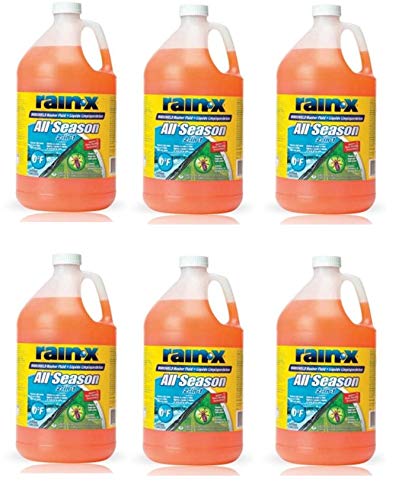
Melts ice & frost fast, -34 degrees F protection

Brand: Rain-X
Immediate Solutions
- Use Warm Water: Pour warm (not boiling) water over the fluid reservoir to help thaw the frozen fluid. Make sure the water temperature is comfortable to touch to avoid cracking the reservoir.
- Move the Vehicle: Start the engine and run the heater. The warmth from the engine combined with cabin heat can gradually thaw the fluid.
- Check Fluid Lines: Inspect and gently thaw any visible fluid lines using a hairdryer on low heat. Keep the hairdryer at a distance to prevent damage.
- Add Antifreeze Fluid: Pour a concentrated washer fluid with antifreeze into the reservoir if you’re able to access it. This can help break up the ice and prevent future freezing.
- Shake the Container: If you suspect the washer fluid is temporarily frozen, shake the container to redistribute any thawed fluid.
- Choose the Right Fluid: Always use winter-grade washer fluid that contains antifreeze agents. This fluid stays fluid at lower temperatures.
- Proper Storage: Store washer fluid in a warmer area, especially during extreme cold spells. Keeping it indoors prevents freezing.
- Regular Maintenance: Regularly check your windshield washer fluid level and type seasonally. Regular maintenance can prevent freezing issues before they occur.
- Keep Reservoir Full: A full reservoir minimizes the chances of fluid freezing. Ensure you refill it regularly, especially in winter.
- Park Strategically: Whenever possible, park your vehicle in a garage or away from harsh winds. Protecting your vehicle helps maintain a warmer temperature for fluids.
Tips for Maintaining Windshield Washer Fluid
Keep your windshield washer fluid in top condition with proper maintenance practices. Follow these guidelines to ensure optimal performance and prevent freezing.
Recommended Products

This item can no be shipped to the state in California, Техаs, Arizona please check with the manufacturer regarding warranty and support issues.

Windshield washer: 1 piece of concentrated cleaning tablet is equivalent to 1.05 gallon of glass cleaning fluid, with strong cleaning power, can easily clean the dust and stains on your windshield, make the windshield clean, and ensure the driving safety of the car

One Bottle Beats Four: One 16 fl oz bottle makes up to 4 gallons of washer fluid at the 60F mix; replaces four gallon jugs and rides in the cab, toolbox, or door pocket with no water to haul
Storage Recommendations
- Store fluids in a sheltered area. Keeping them indoors or in a garage prevents exposure to extreme temperatures.
- Choose containers wisely. Opt for opaque, plastic containers that block sunlight and prevent chemical degradation.
- Label containers correctly. This helps avoid confusion with other fluids and ensures you use the right washer fluid.
- Use winter-specific washer fluid. Select fluid with antifreeze agents during colder months to prevent freezing.
- Monitor fluid levels regularly. Check your reservoir often, especially during temperature drops and after heavy use.
- Prepare for temperature changes. In early fall or late spring, switch fluids according to expected weather to maintain fluid effectiveness.
Conclusion
Keeping your windshield washer fluid from freezing is essential for safe driving in winter. By choosing the right fluid and taking a few simple preventive steps you can ensure clear visibility no matter how cold it gets. Remember to monitor your fluid levels and store your supplies properly to avoid future issues.
With a little care and attention you’ll be ready to tackle whatever winter throws your way. So go ahead and enjoy those snowy drives knowing your washer fluid is up to the task. Stay safe out there!
Frequently Asked Questions
What causes windshield washer fluid to freeze in winter?
Windshield washer fluid can freeze in winter due to extremely cold temperatures and high humidity levels. If the fluid contains a high percentage of water and lacks sufficient antifreeze agents, it is more susceptible to freezing.
How can I unfreeze my windshield washer fluid?
You can unfreeze windshield washer fluid by using warm water to thaw the frozen fluid, moving the vehicle to generate heat, or adding antifreeze washer fluid. Ensure to check the fluid lines for blockages, as well.
What types of windshield washer fluid are available?
There are several types of windshield washer fluid: concentrated, ready-to-use, summer, and winter fluid. Winter fluid contains antifreeze agents to prevent freezing, while summer fluids are designed for warmer temperatures and may not perform well in cold conditions.
How can I prevent my windshield washer fluid from freezing?
To prevent freezing, choose winter-specific washer fluid with antifreeze agents, keep the reservoir full, store fluids properly, and park strategically to minimize exposure to extreme cold. Performing regular maintenance also helps.
What should I consider when storing windshield washer fluid?
Store windshield washer fluid in a sheltered area away from extreme temperatures. Use opaque plastic containers to protect the fluid from light, and label them correctly to avoid confusion. Regularly monitor fluid levels, especially during seasonal changes.
