

Have you ever reached for your windshield washer fluid only to find it’s not working as expected? It’s a frustrating situation, especially when you need a clear view while driving. You might wonder if that bottle sitting in your trunk has gone bad or if it’s just an off day for your wipers.
Key Takeaways
- Shelf Life Awareness: Windshield washer fluid typically lasts about two years unopened; once opened, its effectiveness decreases quickly, especially if contaminated.
- Recognizing Degradation: Signs of bad washer fluid include noticeable color changes (cloudiness, brown tint), unusual smells (sour or moldy), and poor cleaning performance.
- Proper Storage: Store washer fluid in a cool, dry place away from extreme temperatures and sunlight to maintain its effectiveness; always keep containers tightly sealed.
- Regular Checks: Replace washer fluid at least every two years and inspect it regularly for changes in color, sediment buildup, or odors to ensure optimal performance.
- Safe Disposal Practices: Always dispose of expired washer fluid according to local regulations; never pour it down drains, and use designated recycling centers for safe disposal.
Does Windshield Washer Fluid Go Bad?
Windshield washer fluid can degrade over time. Here’s what you need to know.
Shelf Life of Washer Fluid
Washer fluid typically lasts about two years if unopened. The blend usually contains water, alcohol, and detergents. Once opened, its effectiveness decreases, especially if contaminated.
Signs of Bad Washer Fluid
- Change in Color: Cloudiness or separation indicates a problem.
- Unusual Smell: A sour or moldy odor suggests bacteria growth.
- Poor Performance: If it doesn’t clean the windshield effectively or leaves streaks, it’s time for a replacement.
Storage Tips
Store your washer fluid in a cool, dry place. Avoid exposure to extreme temperatures, as it can alter the fluid’s components.
When to Replace Washer Fluid
Replace the fluid at least every two years. Even if it looks fine, the chemicals can become less effective. Regularly check your fluid level during oil changes or season changes.
- Check Expiration Dates: Always observe any expiration information on the label.
- Use Fresh Fluid: If unsure, pouring in new fluid can improve performance significantly.
By monitoring your washer fluid, you can ensure a clear view while driving, especially in adverse weather conditions.
Signs That Windshield Washer Fluid Has Expired
Recognizing expired windshield washer fluid is crucial for maintaining clear visibility. Here are the main indicators that your fluid has gone bad.
Recommended Products

Removes and repels the toughest road grime

Package Dimensions: 3.048 cms (L) x 12.7 cms (W) x 30.48 cms (H)

HIGH QUALITY MATERIAL: The windshield washer hose kit is made of high quality rubber, soft and elastic, strong and durable.
Color Changes
Noticeable color changes often indicate deterioration. Fresh washer fluid appears clear or slightly blue or green. If you observe a cloudy, brown, or rusty appearance, it’s a sign the fluid has degraded. This could result from contamination or the breakdown of its components. Avoid using fluid with altered colors, as it may not clean your windshield effectively.
Sediment Buildup
Sediment buildup is another clear sign of expired washer fluid. If you find particles or debris settling at the bottom of the fluid container, replace it immediately. These particles can clog the washer nozzles, reducing fluid pressure or causing a malfunction. Always inspect the fluid before use; if it shows sediment, fresh fluid is necessary for optimal performance.
Factors Influencing the Shelf Life of Washer Fluid
Washer fluid shelf life depends on several key factors that affect its effectiveness. Awareness of these influences helps you maintain optimal performance.
Recommended Products

SUPER CONCENTRATED WASHER FLUID: 16 fl oz washer fluid bottle makes 165 gallons of summer blend washer fluid. Just pump three times per gallon of water, directly into your windshield washer fluid tank.

EFFORTLESS CLEANING: Enjoy hassle-free maintenance with ABRO's pre-mixed windshield wiper fluid formula, saving you time and effort in preparing the solution for streak-free clarity.

Add to existing washer fluid
Ingredients in the Fluid
Ingredients in washer fluid vary, impacting its longevity. Common components include water, methanol, and detergents. Water can lead to freezing in cold conditions, while methanol serves as an antifreeze agent. If a blend contains more water than alcohol, it’s prone to freezing and degradation. For effective use, check the fluid’s formulation, as lower-quality products often lose potency faster.
Storage Conditions
Storage conditions significantly affect washer fluid life. Keeping fluid in a cool, dry place prevents temperature fluctuations that cause chemical breakdown. Store it in an upright position to avoid leaks. Exposure to sunlight also degrades the fluid faster, so keeping it in a shaded area is ideal. If the temperature drops below freezing, storing washer fluid in a heated space enhances its usability, ensuring it remains effective when needed.
Best Practices for Storing Windshield Washer Fluid
Storing windshield washer fluid properly extends its shelf life and ensures optimal performance. Follow these best practices:
Recommended Products

Trusted Formula for Over 30 Years: Kristall Klar has been the choice for those who want a crystal clear view of the road ahead without the streaks and smears typical of standard washer fluids
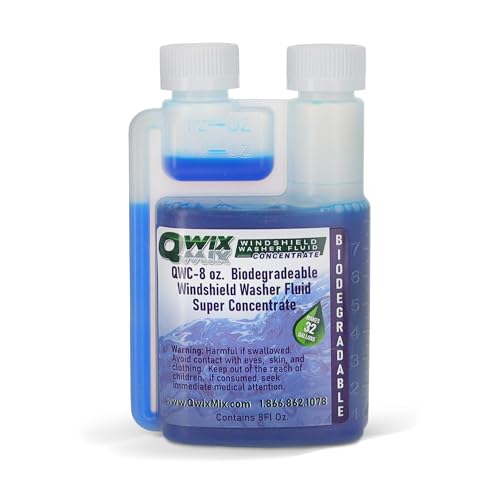
[Super Concentrated Savings] Qwix Mix windshield washer fluid concentrate makes up to 55 gallons of premium windshield washer fluid from one 8 oz bottle, saving money versus pre-mixed windshield washer fluids
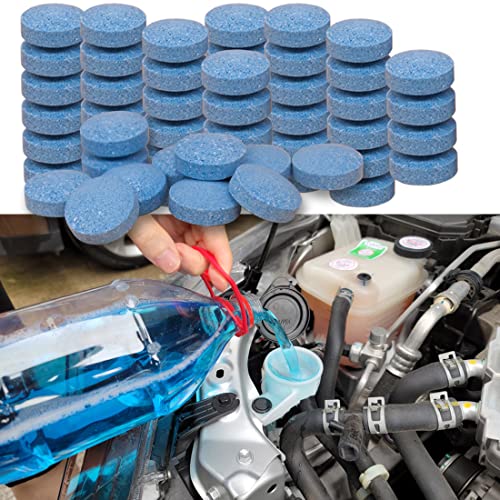
🍀ECONOMICAL& EFFICIENT You will obtain 100 pieces of solid concentrated clean washer tablets in total,the abundant quantity can satisfy your long-term demands. This washer fluid tablets will help you to save large amount money compared to the purchase of traditional washer fluid,because 100 pellets equals 100 gallon washer fluid.1 tablet+1gallon water= 1gallon windshield washer fluid.
Keep It Sealed
Ensure containers of washer fluid remain tightly sealed to prevent contamination. An open container can allow dust, dirt, or moisture to enter, leading to degradation.
Store in a Cool, Dark Place
Choose a storage location away from direct sunlight and extreme temperatures. Fluctuations in temperature, especially heat, can cause the fluid to break down quickly.
Avoid Freezing Conditions
Do not store washer fluid in areas where temperatures drop below freezing. Frozen fluid can expand, potentially cracking the container and compromising the fluid’s effectiveness.
Label Your Containers
Clearly label containers with purchase dates. A simple date will help you track how long the fluid’s been stored, making it easier to use the oldest supplies first.
Regularly Check for Signs of Deterioration
Inspect stored fluid for changes in color, sediment, or unusual odors before use. Discard any fluid showing these signs to prevent clogging your washer system.
Follow Manufacturer Recommendations
Consult the instructions on the product label for specific storage guidelines and shelf life. Manufacturers often provide details to ensure the fluid maintains top performance.
By adhering to these practices, you can keep your windshield washer fluid effective, ensuring clear visibility while driving.
How to Dispose of Expired Washer Fluid
Proper disposal of expired windshield washer fluid ensures safety and environmental responsibility. Follow these steps for safe disposal:
- Check Local Regulations
Review local laws regarding hazardous waste. Some areas have specific guidelines for fluid disposal. - Use a Sealed Container
Pour expired washer fluid into a sturdy, sealable container. Consider using the original container if it’s clean and intact. - Visit a Recycling Center
Take the container to a designated hazardous waste or recycling facility. Many communities offer drop-off days for such items. - Avoid Pouring Down Drains
Never dispose of washer fluid in sinks, toilets, or storm drains. This can contaminate water supplies and harm ecosystems. - Consider Store Take-Back Programs
Some auto parts stores have programs for recycling unused products. Check if your local store offers this service. - Label the Container
Clearly label the container as “expired washer fluid” to prevent accidental use or confusion during storage.
Following these steps not only protects the environment but also keeps your workspace clean and safe.
Conclusion
Taking care of your windshield washer fluid is key to maintaining clear visibility on the road. By keeping an eye out for signs of deterioration and replacing expired fluid, you can ensure your wipers work effectively when you need them most. Proper storage and disposal practices not only extend the life of your fluid but also contribute to a safer driving experience. So make it a habit to check your washer fluid regularly and enjoy the peace of mind that comes with a well-maintained vehicle. Happy driving!
Frequently Asked Questions
What are common issues with windshield washer fluid?
Windshield washer fluid problems can arise from improper storage, contamination, or using expired fluid. Signs of issues include color changes, sediment buildup, and unusual smells. Regular replacement and proper storage are key to maintaining optimal performance.
How can I tell if my washer fluid has expired?
Expired washer fluid may show color changes, sediment, or an unusual odor. If you notice these signs, it’s essential to replace the fluid promptly to ensure clear visibility while driving.
What factors affect the shelf life of washer fluid?
The shelf life of washer fluid is influenced by its ingredients, such as water and methanol, as well as storage conditions like temperature extremes and sunlight exposure. Proper storage can help extend its usability.
What are the best practices for storing windshield washer fluid?
To store windshield washer fluid correctly, keep it sealed, in a cool, dark place, away from freezing conditions. It’s also helpful to label containers with purchase dates and regularly check for signs of deterioration.
How do I responsibly dispose of expired washer fluid?
When disposing of expired washer fluid, check local regulations first. Use sealed containers, visit recycling centers, and avoid disposal down drains. Some stores may also offer take-back programs for proper disposal.
