

Have you ever stopped to think about what’s in your windshield washer fluid? You might grab a bottle without a second thought, but some of those ingredients can be pretty concerning. Many people use it regularly without realizing the potential risks it poses to their health and the environment.
In this article, you’ll learn about the toxicity levels of common windshield washer fluids and what those chemicals mean for you and your loved ones. By understanding these risks, you can make better choices for your vehicle and your well-being. Let’s explore how to keep your car clean and safe without compromising your health.
Key Takeaways
- Toxic Ingredients: Windshield washer fluid commonly contains methanol, ethylene glycol, and isopropanol, which can pose serious health risks if ingested or improperly handled.
- Health Risks: Short-term exposure can lead to eye irritation, respiratory issues, and skin reactions, while long-term exposure is associated with neurological, kidney, and liver damage.
- Safety Precautions: Always wear gloves, goggles, and a mask when handling windshield washer fluid, and work in well-ventilated areas to minimize toxins’ effects.
- Eco-Friendly Alternatives: Consider using biodegradable and non-toxic windshield washer fluids to reduce environmental impact and health risks.
- Proper Disposal: Dispose of unused washer fluid according to local regulations at designated hazardous waste sites to prevent environmental contamination.
- Community Awareness: Participate in local initiatives focused on safe chemical disposal to promote environmental health and safety.
Understanding Windshield Washer Fluid
Windshield washer fluid is essential for maintaining clear visibility while driving. It typically contains a mixture of water, detergents, and other chemicals. The most common active ingredients include:
- Methanol: This alcohol helps lower the freezing point of the fluid and assists in melting ice.
- Ethylene Glycol: Often found in antifreeze, this compound helps improve the fluid’s ability to clean windows.
- Isopropanol: This alcohol acts as a disinfectant and enhances cleaning capabilities.
While these chemicals effectively clean your windshield, they pose health risks. Methanol can be toxic if ingested, leading to symptoms like headaches and dizziness. Ethylene glycol, though effective, is highly poisonous and can cause severe health issues if swallowed.
Safety Precautions
When handling windshield washer fluid, follow these safety tips:
- Use Gloves: Protect your skin by wearing disposable gloves.
- Avoid Ingestion: Keep fluids out of reach of children and pets to prevent accidental consumption.
- Ventilate: Work in well-ventilated areas to minimize inhalation of fumes.
Choosing Safer Alternatives
Consider using eco-friendly windshield washer fluids. These products feature biodegradable ingredients and fewer harmful chemicals, reducing risks to health and the environment. Look for labels indicating non-toxic and safe formulations.
Disposal Guidelines
Dispose of old or unused windshield washer fluid properly to prevent environmental contamination. Check local regulations for disposal procedures. Never pour it down the drain or into the soil.
By understanding the contents and risks of windshield washer fluid, you can make informed decisions for your vehicle maintenance while ensuring safety for yourself and the environment.
Components of Windshield Washer Fluid
Windshield washer fluid contains several components that enhance its cleaning properties but may also pose risks. Understanding these ingredients helps you make informed decisions about using and handling these fluids.
Recommended Products

Safer, Plant-Derived Ethanol Formula: Renewable, plant-based alternative to petroleum & methanol. Safer for families & pets

SAFE FOR CAMERAS & ADAS SENSORS — Formulated without bug-wash additives that can interfere with forward-facing cameras, autopilot systems, and driver-assist sensors. Engineered for use in Tesla and other camera-equipped vehicles.

PREMIUM GRADE CLEANING PERFORMANCE - Engineered for superior visibility, this high-performance windshield washer fluid delivers dependable, professional-level cleaning with every spray. Designed for drivers who expect more than basic store brands, it provides consistent clarity in everyday driving conditions.
Common Ingredients
- Methanol: Methanol serves as a solvent and antifreeze agent. It helps dissolve dirt, grime, and other contaminants from your windshield. Proper ventilation is crucial when handling methanol due to its toxic fumes.
- Ethylene Glycol: Ethylene glycol, another antifreeze component, lowers the fluid’s freezing point. It’s effective for winter use but poses serious health risks if ingested. Always keep any products containing ethylene glycol out of children’s reach.
- Isopropanol: Isopropanol acts as a cleaner and disinfectant. It effectively removes oil and grease, improving visibility while driving. While it’s less toxic than some alternatives, direct exposure can still irritate skin and eyes.
- Coloring Agents: Certain coloring agents give windshield washer fluids their distinct hues. While not harmful themselves, these additives may mask toxic components. Always read labels to ensure safety.
- Methanol Hazards: Exposure to methanol can lead to headaches, dizziness, or even more severe symptoms like vision problems. If you accidentally spill it, clean it up promptly and ventilate the area.
- Ethylene Glycol Risks: Ethylene glycol is particularly dangerous if ingested, even in small quantities. Signs of poisoning include nausea and vomiting. Seek immediate medical attention if exposure occurs.
- Isopropanol Risks: Ingesting isopropanol can cause nausea, vomiting, and respiratory issues. Always use gloves when handling fluids that contain this substance.
Taking precautions when using windshield washer fluid not only protects your health but also helps in minimizing environmental impacts. Look for eco-friendly alternatives that minimize these toxic components while still providing effective cleaning.
Assessing Toxicity Levels
Understanding the toxicity levels of windshield washer fluid is essential for safe handling and usage. Common components, such as methanol, ethylene glycol, and isopropanol, pose various health risks, making it crucial to know their short-term and long-term effects.
Recommended Products

Trusted Formula for Over 30 Years: Kristall Klar has been the choice for those who want a crystal clear view of the road ahead without the streaks and smears typical of standard washer fluids
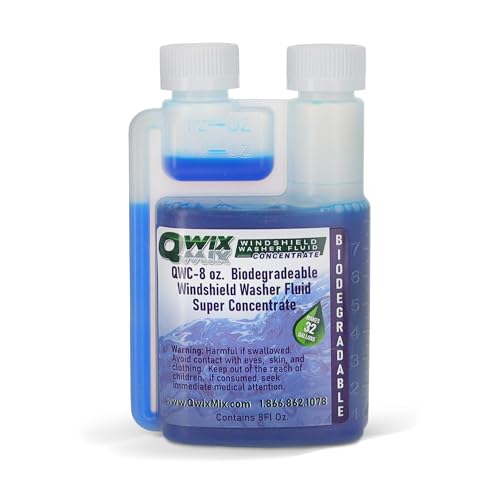
[Super Concentrated Savings] Qwix Mix windshield washer fluid concentrate makes up to 55 gallons of premium windshield washer fluid from one 8 oz bottle, saving money versus pre-mixed windshield washer fluids

EFFORTLESS CLEANING: Enjoy hassle-free maintenance with ABRO's pre-mixed windshield wiper fluid formula, saving you time and effort in preparing the solution for streak-free clarity.
Short-Term Exposure Effects
Short-term exposure to windshield washer fluid can lead to several immediate health issues. Symptoms may include:
- Eye Irritation: Exposure can cause redness, burning, and tearing.
- Respiratory Issues: Inhaling vapors may result in coughing, throat irritation, or difficulty breathing.
- Skin Reactions: Direct contact can lead to rashes or burns, especially for those with sensitive skin.
If you experience any of these symptoms after handling windshield washer fluid, seek fresh air immediately and wash affected areas with soap and water.
Long-Term Exposure Risks
Long-term exposure to toxic components of windshield washer fluid poses serious health threats. Risks include:
- Neurological Effects: Prolonged exposure to methanol may result in headaches, dizziness, and potential for more severe neurological damage.
- Kidney Damage: Ethylene glycol can lead to chronic kidney issues, significantly affecting filtration and waste removal.
- Liver Damage: Regular contact can harm the liver, impacting its ability to metabolize various substances.
Regularly handling these fluids increases the likelihood of developing these health issues over time. Always opt for protective gear and consider eco-friendly alternatives to minimize risks.
Environmental Impact
Windshield washer fluid impacts the environment in various ways, primarily through its chemical composition and disposal methods. Most traditional washer fluids contain harmful substances like methanol and ethylene glycol, which pose risks when they enter ecosystems.
Chemical Contaminants
Chemical contaminants in washer fluid can adversely affect soil and water. When spilled, these fluids can seep into the ground, contaminating groundwater. Even small quantities can be toxic to aquatic life. For example, methanol can disrupt the reproductive cycles of fish and other creatures.
Disposal Practices
Disposal practices play a crucial role in mitigating environmental harm. Many people pour leftover washer fluid down the drain or onto the ground, which leads to widespread contamination. It’s important to dispose of these fluids at designated hazardous waste sites, where they can be handled safely.
Eco-Friendly Alternatives
You can reduce your environmental impact by choosing eco-friendly washer fluid. These alternatives often use biodegradable ingredients that break down more easily and pose less risk to your surroundings. Look for products labeled as non-toxic or biodegradable to ensure minimal environmental harm.
Community Initiatives
Participating in community initiatives focused on chemical disposal can enhance environmental health. Many cities offer collection events for hazardous materials. Getting involved can help raise awareness and promote safer practices within your community.
Safe Handling Practices
Handling windshield washer fluid properly minimizes your risk of exposure to its toxic components. Follow these safe practices to protect yourself and the environment effectively.
Recommended Products

EXTREME COLD PROTECTION: Formulated to provide reliable -20°F freeze protection, keeping your windshield washer system functioning in harsh winter conditions

Removes and repels the toughest road grime

This item can no be shipped to the state in California, Техаs, Arizona please check with the manufacturer regarding warranty and support issues.
Wear Protective Gear
- Gloves: Use chemical-resistant gloves to protect your skin from harmful chemicals.
- Goggles: Wear safety goggles to shield your eyes from splashes.
- Mask: Opt for a mask if you’re working in an enclosed space to avoid inhalation of fumes.
Ensure Proper Ventilation
- Open Windows: Always work in a well-ventilated area. Open windows to allow fresh air circulation.
- Fans: Use fans to enhance air flow, especially in closed garages.
Store Correctly
- Original Container: Keep washer fluid in its original labeled container to avoid confusion.
- Cool, Dry Place: Store it in a cool, dry location away from direct sunlight. Extreme temperatures can increase the risk of leaks or reactions.
Dispose Responsibly
- Local Regulations: Check local regulations on disposing of hazardous materials.
- Use Designated Drop-off Sites: Drop off any unused or expired fluid at designated hazardous waste collection sites.
Clean Up Spills Immediately
- Absorbent Materials: Use absorbent materials like sand or kitty litter for small spills.
- Dispose Properly: Collect and dispose of contaminated materials at a hazardous waste facility.
- Separate Products: Never mix windshield washer fluid with other substances. Combining chemicals can produce dangerous reactions.
Adhering to these practices helps ensure your safety and reduces environmental impact when handling windshield washer fluid.
Conclusion
Being aware of the potential dangers of windshield washer fluid can make a big difference in your safety and health. By taking simple precautions like wearing gloves and ensuring good ventilation you can minimize risks and protect yourself from harmful chemicals.
Choosing eco-friendly alternatives not only helps you stay safe but also contributes to a healthier environment. Remember that proper storage and disposal are just as important as handling. By following these tips you can keep your vehicle clean while keeping yourself and the planet safe. Stay informed and take action to make safer choices for your vehicle maintenance.
Frequently Asked Questions
What are the health risks associated with common windshield washer fluids?
Windshield washer fluids often contain chemicals like methanol and ethylene glycol, which can cause short-term effects like eye irritation and respiratory issues. Long-term exposure may lead to more serious conditions, including neurological damage and kidney or liver problems, making it essential to understand these risks for safe vehicle maintenance.
How should I handle windshield washer fluid safely?
To handle windshield washer fluid safely, always wear protective gear such as gloves, goggles, and masks. Ensure you’re in a well-ventilated area, store the fluid properly, clean up any spills immediately, and avoid mixing with other substances to minimize health risks and environmental impact.
What should I do in case of a spill?
In the event of a spill, immediately clean the area using absorbent materials. Wear protective gear during cleanup, ventilate the space, and dispose of the waste according to local regulations. Avoid letting chemicals seep into the environment or water sources.
Are there eco-friendly alternatives to traditional windshield washer fluids?
Yes, there are eco-friendly alternatives available that use natural ingredients instead of harmful chemicals. These can effectively clean your windshield while reducing environmental impact. Look for products labeled as biodegradable or non-toxic to ensure safety for both you and the environment.
Why is proper ventilation important when using windshield washer fluid?
Proper ventilation is crucial when using windshield washer fluid to minimize inhalation of toxic vapors. Adequate airflow helps reduce the concentration of harmful chemicals in the air, lowering the risk of respiratory issues and promoting a safer working environment.
