

Ever caught a whiff of windshield washer fluid while driving and wondered why? You’re not alone. Many people experience this puzzling scent, especially during a quick wipe of the windshield or after topping off the reservoir.
Key Takeaways
- Understanding Windshield Washer Fluid: It is essential for keeping your windshield clean, composed of water, methanol, surfactants, and dyes.
- Causes of Odor: Smelling windshield washer fluid may indicate leaks, evaporation, or overflowing reservoirs, especially in warmer conditions.
- Health Risks: Methanol in washer fluid is toxic; exposure can lead to headaches, dizziness, and respiratory issues. Ventilation is important when detecting strong odors.
- Prevention: Regular maintenance checks for leaks and using high-quality washer fluid can prevent unpleasant odors and ensure system efficiency.
Understanding Windshield Washer Fluid
Windshield washer fluid helps keep your car’s windshield clean and clear. Recognizing its composition and functionality aids in understanding the scent you notice.
What Is Windshield Washer Fluid?
Windshield washer fluid is a liquid intended for cleaning your car’s windshield. It removes dirt, grime, and other residues, ensuring optimal visibility. This fluid typically sprays onto the windshield when activated, often by pulling the wiper control.
Common Ingredients in Washer Fluid
Common ingredients in windshield washer fluid include:
- Water: The primary base, providing a medium for dilution.
- Methanol: A type of alcohol that prevents the fluid from freezing in cold weather.
- Surfactants: These enhance the fluid’s cleaning capabilities by breaking up dirt and grime.
- Dyes: Added for visibility, helping you identify the fluid easily.
Understanding these components clarifies why you might smell it. If the reservoir is leaking or you overfill it, the scent becomes more prominent, especially in warm conditions.
Causes of Smelling Windshield Washer Fluid
You might notice the smell of windshield washer fluid for a few reasons. Understanding these causes can help you address any issues related to your vehicle’s washer system.
Recommended Products

One application of oil and fuel system UV leak detection dye
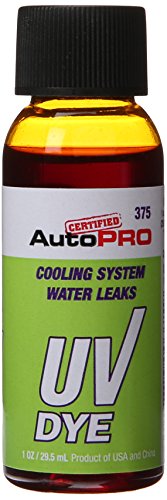
Contains one application of radiator/engine cooling system UV leak detection dye

FAST, ACCURATE LEAK DETECTION: Professional-grade, universal fluorescent dye quickly identifies leaks in automotive systems, reducing diagnostic time and eliminating guesswork
Leaks in the System
Leaks can occur in various parts of the windshield washer system. You might find a leak in the reservoir, hoses, or connectors. When fluid leaks, it evaporates and releases its distinct scent into the air. If you detect a strong smell without using the washer, check for visible fluid under your vehicle. Look for stains or wet spots near the washer reservoir. Fixing leaks might involve tightening connections or replacing damaged parts.
Evaporation and Fumes
Evaporation often occurs when the washer fluid heats up during warm weather. This process can intensify the smell. If the reservoir is overfilled or if the cap isn’t sealed properly, excess fluid may leak out and evaporate. Ensure the cap is secure and only fill the reservoir to the recommended level. If you frequently smell the fluid, consider venting the area by running the air circulation or opening windows while driving.
Potential Health Concerns
Smelling windshield washer fluid may indicate potential health hazards. It’s essential to understand the risks associated with exposure to its components.
Recommended Products

Removes and repels the toughest road grime

This item can no be shipped to the state in California, Техаs, Arizona please check with the manufacturer regarding warranty and support issues.

advanced Water beading technology leaves no streaks and is glare free
Toxicity of Windscreen Washer Fluid
Windshield washer fluid commonly contains methanol, which can be toxic. Ingesting small amounts can lead to symptoms like headaches and dizziness. Higher concentrations can cause severe effects, including respiratory distress and even potential poisoning. If you detect a strong odor, ensure your vehicle is well-ventilated, and avoid breathing in fumes directly.
Symptoms of Exposure
Recognizing the signs of exposure to windshield washer fluid is crucial. Symptoms can include:
- Headaches
- Dizziness
- Nausea
- Eye irritation
- Difficulty breathing
If you experience any of these symptoms after smelling the fluid, seek fresh air immediately. In cases of prolonged exposure or severe symptoms, contact medical professionals for guidance.
Preventive Measures
Taking preventive measures can help you avoid smelling windshield washer fluid. Regular maintenance and quality products play key roles in keeping the system functioning properly.
Recommended Products

HIGH QUALITY MATERIAL: The windshield washer hose kit is made of high quality rubber, soft and elastic, strong and durable.

Applicability: The Windshield Washer Hose Kit is Suitable for most windshield washer nozzles. Easy to replace and install
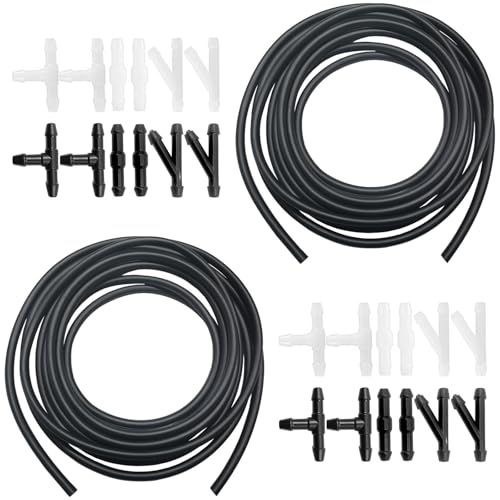
Premium Windshield Washer Hose Kit -- Our windshield washer nozzle kit is made of high-quality rubber, which is soft and elastic, strong and robust for long term use. When you feel that your old windshield washer hose or nozzle is not workable for your car to clean the car glass, you can use our such premium windshield wiper hose kit to replace your old washer fluid hose conveniently.
Regular System Checks
Conducting regular system checks ensures your windshield washer fluid system operates efficiently. Look for leaks in the reservoir, hoses, and connectors. Inspect the fluid levels regularly; if they’re low, refill accordingly. Be alert for any strange smells after refilling, as this can indicate a problem. Checking for clogs in the washer nozzles also helps prevent pressure build-up that can lead to leaks.
Using Quality Products
Using quality washer fluid reduces the risk of leaks and helps maintain the system. Opt for fluids that meet or exceed manufacturer specifications. Quality fluids often contain fewer harmful chemicals, minimizing potential health risks while providing effective cleaning. Avoid mixing different brands, as this can lead to unwanted chemical reactions. Always store washer fluid in a cool, dry place to prevent evaporation and maintain its effectiveness.
Conclusion
If you’re smelling windshield washer fluid it’s a sign that something might not be quite right. Whether it’s a leak or simply the heat causing evaporation addressing the issue early can save you from bigger problems down the road. Regular checks and proper maintenance can help keep your system running smoothly and smelling fresh.
Don’t hesitate to take a closer look at your washer fluid system if you notice any unusual scents. Staying proactive not only enhances your driving experience but also ensures your safety on the road. Remember a clean windshield is just a few steps away!
Frequently Asked Questions
What is windshield washer fluid made of?
Windshield washer fluid typically consists of water, methanol or other alcohols, and detergents. These components work together to clean your windshield effectively, removing dirt, bugs, and grime.
Why does my windshield washer fluid smell?
The scent of windshield washer fluid can be noticeable due to leaks or overfilling, especially in warmer temperatures. The fluid can evaporate, intensifying the odor.
How can I check for windshield washer fluid leaks?
Inspect the washer fluid reservoir, hoses, and connectors for cracks or dampness. Look for puddles or streaks under your vehicle, which might indicate a leak in the system.
What are the preventive measures for windshield washer problems?
Regularly check fluid levels, inspect for leaks, and clean washer nozzles to prevent clogs. Use quality washer fluid that meets your vehicle’s specifications to maintain system efficiency.
How should I store windshield washer fluid?
Store windshield washer fluid in a cool, dry place, away from direct sunlight. Proper storage helps prevent evaporation and maintains the fluid’s effectiveness for when you need it.
