

Have you ever found yourself driving with a dirty windshield, wishing your washer fluid nozzle worked like it used to? It’s frustrating when those nozzles get clogged or damaged, leaving you squinting through grime. Fortunately, changing a washer fluid nozzle is a simple fix that can make a huge difference in your visibility.
Key Takeaways
- Importance of Washer Fluid Nozzles: Washer fluid nozzles are essential for maintaining clear visibility by distributing washer fluid evenly across the windshield.
- Common Issues: Clogged, misaligned, or damaged nozzles can severely hinder performance, making it crucial to identify and rectify these problems promptly.
- Necessary Tools: Essential tools for changing a washer fluid nozzle include a screwdriver, pliers, wrench, utility knife, and a funnel to facilitate the process.
- Step-by-Step Replacement: Properly follow the removal and installation steps to ensure a successful replacement of the nozzle, enhancing visibility while driving.
- Troubleshooting Tips: Be aware of solutions for common issues such as clogging and misalignment to maintain effective washer fluid functionality.
Understanding Washer Fluid Nozzles
Washer fluid nozzles play a crucial role in maintaining a clear view of the road. Understanding their function and common issues helps you keep your windshield clean.
Purpose of Washer Fluid Nozzles
Washer fluid nozzles distribute washer fluid onto your windshield. They ensure an even spray pattern, crucial for removing dirt and grime. These nozzles also help prevent streaks by efficiently releasing fluid. Without well-functioning nozzles, visibility decreases significantly, especially during adverse weather conditions.
Common Problems with Nozzles
Several issues can affect washer fluid nozzles.
- Clogging: Dirt or debris can block the nozzle openings, preventing fluid from spraying effectively.
- Misalignment: A nozzle that isn’t aimed correctly can spray fluid onto the hood or windshield frame instead of the glass.
- Cracks or Damage: Wear and tear can lead to cracks, resulting in a poor spray pattern or leaks.
- Frozen Fluid: In cold weather, washer fluid can freeze in the nozzles, stopping operation.
Identifying these problems early allows for timely fixes, ensuring your visibility remains clear while driving.
Tools and Materials Needed
Changing a washer fluid nozzle requires some specific tools and materials. Gathering everything beforehand simplifies the process and ensures you’ve everything necessary.
Recommended Products

HIGH QUALITY MATERIAL: The windshield washer hose kit is made of high quality rubber, soft and elastic, strong and durable.

[High Materials] Windshield washer hose is made of high-quality rubber material, which is soft and flexible and can adapt to extreme weather conditions such as high and low temperatures; the hose connector and windshield sprayer nozzle are made of high-quality plastic material, which is durable, not easy to break, not easy to deform, and has a longer service life.

【What You Get】You will receive a 52-In-1 windshield washer nozzle hose kit to replace your aging windshield sprayer nozzles and washer fluid hose connected to the car water pump. This windshield washer hose repair kit ensures smooth water spray and quick windshield cleaning, keeping you always have a clear view for safe driving. Note: Please check the OEM part number or measure your size before purchasing to make sure it matches.
Essential Tools for the Job
- Screwdriver: A flathead or Phillips screwdriver enables you to remove any screws securing the nozzle.
- Pliers: Pliers help in gripping small parts or pulling off connectors.
- Wrench: A wrench may be needed to loosen any nuts or bolts, depending on your vehicle’s design.
- Hak: A utility knife or razor blade can assist in cutting through old or damaged tubing.
- Funnel: Using a funnel ensures clean refills when adding washer fluid.
- Winter Washer Fluid: Formulated to not freeze, ideal for cold climates.
- Summer Washer Fluid: Typically designed for warmer weather, offers cleaning agents to break down grime.
- Concentrated Washer Fluid: Mixing concentrated washer fluid with water allows for customized strength.
- Eco-Friendly Fluid: Plant-based options minimize environmental impact while providing decent cleaning performance.
Gather these tools and materials to streamline the process of changing your washer fluid nozzle, ensuring clear visibility in all driving conditions.
Step-by-Step Guide on How to Change Washer Fluid Nozzle
Changing the washer fluid nozzle requires a few simple steps. This guide walks you through the removal of the old nozzle and the installation of the new one.
Recommended Products

[High quality]: The Windshield Washer Hose Kit adopts high-quality Nylon Material, with light weight, strong corrosion resistance and durability, High quality to efficiently prolong the Wiper blade life time

Durable Quality: The car wash nozzle is made of high-quality materials, sturdy, waterproof and not easily damaged. This nozzle is a good helper for cleaning cars and can effectively extend the service life of the wiper blades.

【Material】LUOTIVON Windshield Washer Nozzle is made of high quality plastic which is corrosion and dust resistant, structure strong and ruggedly built to last years. Package includes 2 pack of Windshield Washer Nozzles with gasket.
Removing the Old Nozzle
- Locate the Nozzle: Find the washer fluid nozzle on your vehicle’s hood. It’s usually positioned near the windshield wiper blades.
- Access the Nozzle: Lift the hood of your car, if necessary, to get a better view and access.
- Disconnect the Washer Hose: Gently pull off the rubber hose connected to the nozzle. If it’s tight, use pliers for easier removal.
- Unscrew the Nozzle: If your nozzle is secured with a screw, use a screwdriver to remove it. If it’s a snap-fit, carefully pry it off with your fingers or a utility knife.
- Inspect for Debris: Check the hole where the nozzle was attached. Clear out any debris or buildup that could affect the new nozzle’s performance.
- Position the New Nozzle: Align the new nozzle with the hole where the old one was located.
- Secure the Nozzle: If your new nozzle requires a screw, insert it and tighten it with a screwdriver. If it’s a snap-fit, push it firmly into place until you hear it click.
- Reconnect the Washer Hose: Slide the rubber hose back onto the nozzle securely. Ensure it’s snug to prevent any leaks.
- Test the System: Start your vehicle and activate the washer fluid to check the new nozzle’s performance. Adjust its angle if necessary for optimal spray coverage.
Following these steps ensures a quick and efficient replacement of your washer fluid nozzle, helping maintain clear visibility while driving.
Troubleshooting Common Issues
You may encounter a few common issues when dealing with washer fluid nozzles. Knowing how to address these problems helps keep your windshield clear.
Recommended Products
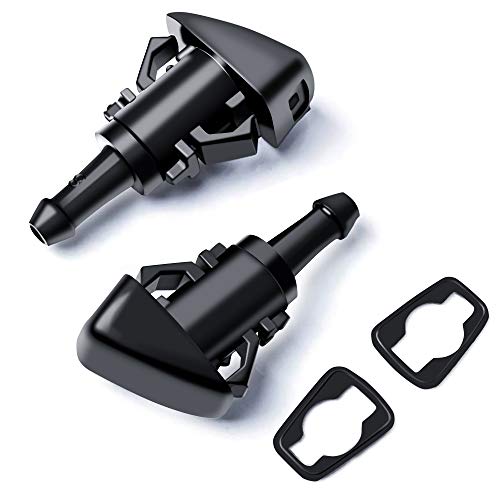
Replace OEM: # 4805742AB, 4805742AC, 5116079AA, 5113049AA, 5303833AA, 55077460AA, 5160308AA

Package included:2 front windshield nozzles and 2 washers.、1 windshield washer fluid hose 、2 two-way hose connectors (Type I)、 2 three-way hose connectors (type T)、 2 three-way hose connectors (type Y)、one installation tool

Windshield Washer Hose Repair Kit -- The washer hose kit is easy to replace and install. Windshield washer hose kits help you easily and quickly replace aging hoses and properly connect your car's water pump to the windshield nozzle to ensure smooth water spraying and glass cleaning. You can replace the new windshield wiper hose repair kit by yourself to save money for your loved automotive car.
Clogging Problems
Clogged nozzles often prevent washer fluid from spraying effectively. Check for debris like dirt or dried fluid in the nozzle. Use a straight pin or needle to carefully clear any blockages. Run the washer system to see if fluid sprays evenly after clearing. If problems persist, consider replacing the nozzle.
Misalignment Concerns
Misalignment of the nozzle affects the spray pattern. Inspect the nozzle’s position to ensure it points directly at the windshield. If the nozzle appears out of place, gently adjust it until it aims correctly. Test the system by activating the washer fluid. A properly aligned nozzle sprays fluid where it’s needed most, ensuring optimal visibility.
Conclusion
Taking the time to change or troubleshoot your washer fluid nozzle can make a world of difference in your driving experience. Clear visibility is essential for safe driving and a well-functioning washer fluid system plays a key role in that.
With the right tools and a bit of patience you can tackle this task yourself. Whether it’s replacing a faulty nozzle or simply clearing a clog you now have the knowledge to keep your windshield clear.
So the next time you hit the road make sure your washer fluid system is up to par. You’ll appreciate the difference it makes in maintaining a safe and enjoyable drive.
Frequently Asked Questions
What are the common issues with washer fluid nozzles?
Washer fluid nozzles can experience clogging, misalignment, or damage. Clogging often occurs due to dirt or debris, while misalignment can result in improper spray patterns. Identifying these issues early can help maintain clear visibility.
How can I troubleshoot a clogged washer fluid nozzle?
To troubleshoot, you can use a pin or needle to clear any blockages in the nozzle. Gently insert the pin into the nozzle opening and clear out any debris to restore proper function.
What tools do I need to replace a washer fluid nozzle?
To replace a washer fluid nozzle, you typically need a socket wrench, screwdrivers, and possibly pliers or a trim removal tool. Ensure you have these tools ready before starting the replacement process.
How do I align washer fluid nozzles for optimal performance?
Aligning washer fluid nozzles involves adjusting their angle to ensure the spray pattern hits the windshield effectively. Use a small tool to gently move the nozzle until you achieve the desired spray direction.
Why is it important to have clear visibility while driving?
Clear visibility is crucial for safe driving, as it helps you see road signs, other vehicles, and potential hazards. A clean windshield is essential for avoiding accidents and ensuring a safe driving experience.
