

Ever been on the road, and suddenly your windshield gets dirty, but your washer fluid just won’t spray? It’s frustrating, right? You’re not alone—many drivers face this annoying issue.
Key Takeaways
- Check Fluid Levels Regularly: Ensure your washer fluid reservoir is filled as low levels are a common cause for non-functioning washers.
- Clean Clogged Nozzles: Use a pin or needle to clear any dirt or debris from the nozzles to restore proper fluid spray.
- Inspect the Washer Pump: Listen for the pump’s operation when activating the washer; if silent, it may need replacement.
- Examine Hoses for Damage: Look for kinks, cracks, or clogs in the hoses that could obstruct fluid flow and replace any damaged parts.
- Perform Regular Maintenance: Conduct monthly checks and seasonal inspections to maintain an efficient windshield washer system.
- Address Fuse Issues: Check the washer system fuse for continuity and replace it if blown to ensure the system operates correctly.
Common Reasons For Washer Fluid Issues
Washer fluid issues can be frustrating, but understanding the common causes can help you troubleshoot effectively. Here are some frequent reasons your car might not spray washer fluid.
Recommended Products
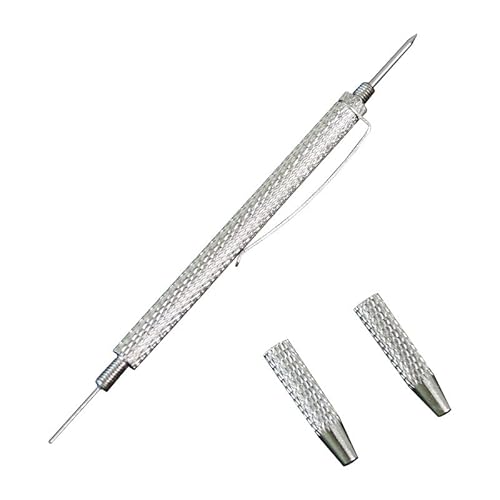
🔧 Dual-Function Cleaning Tool 🔧 – Features 0.6mm unclogging needle and 1.3mm adjusting pin. Clears spray nozzle blockage and aligns fluid spray direction on windshields.

2-in-1 Windshield Washer Jet Cleaning Tool and Adjuster Windshield Clean Tool, Screwed caps house a pointed scribe for cleaning washer jets at one end, finer probe for adjusting position of jets at the other.

PRECISE NOZZLE ADJUSTMENT: Realign car washer jets instantly to for restore optimal spray patterns and clear vision without damaging your vehicle's
Low Washer Fluid Level
Low fluid levels prevent proper spraying. Check the washer fluid reservoir regularly. If it’s empty or near empty, refill it with washer fluid. Most cars use a synthetic blend that works well in cold weather.
Clogged Nozzles
Clogged nozzles block fluid from reaching the windshield. Dirt or debris can accumulate over time. Use a pin or a needle to clear any obstructions gently. After clearing, test the nozzles to ensure fluid sprays evenly.
Faulty Washer Pump
A faulty washer pump stops fluid from reaching the nozzles. Listen for sounds when you activate the washer; if you don’t hear it, the pump might need replacement. Consult your vehicle’s manual or a professional for specific testing and replacement steps.
Diagnosing The Problem
Diagnosing washer fluid issues involves checking a few key components. Start with the basics to identify the source of the problem efficiently.
Recommended Products

HIGH QUALITY MATERIAL: The windshield washer hose kit is made of high quality rubber, soft and elastic, strong and durable.

Easy installation and replacement:Windshield washer hose kit directly replaces your aging hoses and accessories,It connects seamlessly to the car water pump and Windshield washer nozzles, ensuring stable and smooth water flow for a clearer, wider field of vision and safer driving

High Quality Material: The windshield washer hose kit is made of high quality rubber material, soft and flexible, strong and durable for long-term use. The front windshield nozzle is made of high quality plastic, which is tough, not easy to break, light weight and corrosion resistant, which can effectively extend the service life of the wiper blade.
Checking Fluid Levels
Check the washer fluid reservoir first. Low fluid levels often cause inadequate spraying. Open the hood and locate the reservoir, marked with a washer symbol. Inspect the fluid level through the translucent container. If it’s low or empty, refill it with suitable washer fluid to ensure proper functioning.
Inspecting The Pump
Next, inspect the washer pump. The pump is responsible for pushing fluid through the hoses to the nozzles. Turn on the ignition and activate the washer system while listening for a humming sound from the pump. If you hear nothing, the pump might be faulty or disconnected. Look for any visible wiring issues or damage and replace the pump if necessary.
Examining The Hoses
Finally, examine the hoses. Hoses transport the washer fluid from the reservoir to the nozzles. Check for kinks, cracks, or clogs. Disconnect the hoses to inspect them thoroughly. If any debris obstructs the flow, clear it out; if hoses are damaged, replace them to restore function.
Troubleshooting Steps
When your car doesn’t spray washer fluid, follow these steps to pinpoint and resolve the issue effectively.
Recommended Products

Durable Quality: The car wash nozzle is made of high-quality materials, sturdy, waterproof and not easily damaged. This nozzle is a good helper for cleaning cars and can effectively extend the service life of the wiper blades.
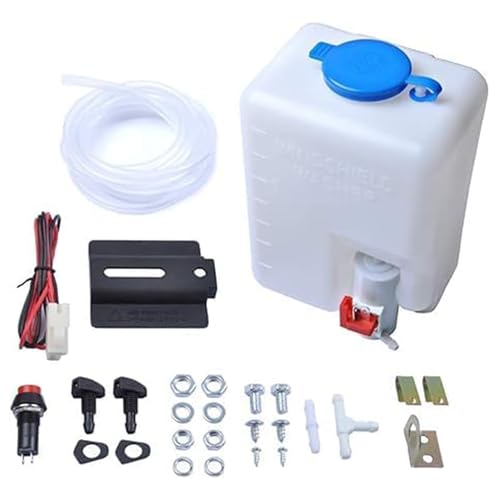
This complete 1.8L windshield washer system is designed as a direct replacement for most 12V vehicles where space permits. An ideal solution for replacing a cracked tank or failed pump. OEM Part Number Reference: 160186.

Front Windshield Washer Hose for GMC Chevrolet Cadillac 99-07 for sierra tahoe yukon 00-06 new
Cleaning The Nozzles
Start by examining the nozzles for clogs. Use a pin or needle to carefully poke into the nozzle openings. This clears out dirt or debris. Run the washer fluid system to test if spray is restored. If not, consider soaking the nozzles in warm, soapy water for deeper cleaning. After soaking, rinse thoroughly and reattach them.
Replacing The Washer Pump
Listen for sounds when you activate the washer system. If you hear nothing, the washer pump might be faulty. Locate the pump, usually near the fluid reservoir, and disconnect the wires. Test the pump with a multimeter to ensure it’s receiving power. If not operational, replace it. Purchase a compatible washer pump and follow the manufacturer’s instructions for installation.
Checking The Fuse
Inspect the fuse related to the washer fluid system. Locate the fuse box, typically in the cabin or engine compartment. Use the owner’s manual to identify the correct fuse. Remove and check it for continuity with a multimeter. Replace a blown fuse with one of the same rating. After replacing, test the washer system to confirm it works.
Preventative Maintenance Tips
Ensure your windshield washer system operates smoothly with these preventative maintenance tips. Regular upkeep can save you from unexpected frustrations.
Regular Fluid Checks
Check your washer fluid levels monthly. Ensure you fill the reservoir with the appropriate washer fluid. If you notice the levels drop quickly, investigate for leaks. Maintaining proper levels guarantees optimal performance.
Seasonal Inspections
Inspect the washer system before seasonal changes. In colder months, switch to winter washer fluid to prevent freezing. Check the system for any wear and tear that could hinder performance. Always ensure the hoses and connections remain secure.
Keeping Nozzles Clear
Keep nozzles free of debris and blockages. Regularly clean them using a pin or needle to ensure an unobstructed spray. If cleaning doesn’t resolve the issue, soak the nozzles in warm, soapy water for better results. Inspect nozzles after heavy rainfall to clear any residual dirt.
Conclusion
Dealing with windshield washer fluid issues can be a real hassle but understanding the common culprits can save you time and frustration. By checking fluid levels and ensuring nozzles are clear you can often resolve the problem quickly. If you find that the washer pump or fuse is at fault a little extra effort can get your system back in working order.
Remember to keep up with regular maintenance to avoid these issues in the future. With a bit of care your washer fluid system will keep your windshield clean and your driving experience safe.
Frequently Asked Questions
What are the common reasons my windshield washer fluid won’t spray?
Common reasons include low fluid levels, clogged nozzles, and a faulty washer pump. Checking these elements can help identify the problem quickly.
How can I check if my washer fluid is low?
Open the hood and locate the washer fluid reservoir. Check for a minimum and maximum fill line. If the fluid is below the minimum line, it needs to be refilled.
How do I clear clogged washer nozzles?
You can clear clogged nozzles by using a pin or needle to gently poke through any blockage. Alternatively, soak them in warm, soapy water to help loosen debris.
What should I listen for to check the washer pump?
Listen for a humming sound when you activate the windshield washer. If there’s no sound, the pump may be faulty or have electrical issues.
How can I test if my washer pump is faulty?
You can test the washer pump using a multimeter to check for electrical continuity. If there’s no continuity, it indicates that the pump may need to be replaced.
What should I do if the fuse for the washer fluid system is blown?
Check the fuse box for the washer fluid fuse. If it’s blown, replace it with a new one of the same amperage to restore functionality.
How can I maintain my windshield washer system?
To maintain your system, regularly check fluid levels, inspect the nozzles for blockages, and conduct seasonal checks to ensure all components are functioning properly.
