

Have you ever wondered what happens when you pour windshield washer fluid down the drain? You’re not alone. Many people face this dilemma, especially when it’s time to clean out old or unused fluid. It seems harmless, but the consequences might surprise you.
Imagine this: you’re tidying up your garage and come across a half-empty jug of windshield washer fluid. You think about just dumping it down the sink, but is that really the best choice? In this article, you’ll learn the potential impacts of this action and discover safer alternatives for disposing of your windshield washer fluid. Knowing the right way to handle it not only protects your plumbing but also helps keep the environment safe.
Key Takeaways
- Improper Disposal Risks: Pouring windshield washer fluid down the drain can contaminate waterways and harm aquatic life, making it crucial to understand proper disposal methods.
- Chemical Composition: Common ingredients in washer fluid, like methanol and surfactants, can pose environmental and health risks when not disposed of correctly.
- Legal Guidelines: Many municipalities classify windshield washer fluid as hazardous waste, so it’s vital to follow local regulations to avoid fines and legal consequences.
- Safe Disposal Methods: Reach out to local waste management for guidance, use designated disposal sites, and always keep fluids in their original containers for safe disposal.
- Eco-Friendly Alternatives: Consider using biodegradable or plant-based washer fluids to minimize environmental impact, or make your own solution using distilled water, vinegar, and dish soap.
- Repurposing Options: Leftover washer fluid can be used for various cleaning tasks, such as window cleaning or degreasing, reducing waste and promoting sustainability.
Understanding Windshield Washer Fluid
Windshield washer fluid plays a crucial role in maintaining visibility while driving. It cleans the windshield and helps remove dirt, grime, and insects, providing safer driving conditions.
Common Ingredients in Washer Fluid
Windshield washer fluid contains a mix of several key ingredients:
- Water: Acts as a primary solvent in the mixture.
- Methanol: Used as an antifreeze agent to prevent fluid from freezing in cold temperatures.
- Surfactants: Help break down dirt and grime for easier removal.
- Dyes: Often added for visual appeal and to help identify the fluid.
Knowing these ingredients is important because some can pose risks if disposed of improperly.
Environmental Impact of Washer Fluid
Improper disposal of windshield washer fluid can harm the environment. Key impacts include:
- Contamination: Pouring fluid down the drain can introduce harmful chemicals, like methanol, into waterways. This can negatively affect aquatic life and ecosystems.
- Pollution: Chemicals in washer fluid can contribute to soil and groundwater pollution, risking local water supplies.
Always consider the environmental consequences before disposing of used washer fluid.
Legal Considerations
Understanding the legal implications of disposing of windshield washer fluid is essential to avoid hefty fines and environmental damage. Various regulations exist at different levels of government.
Recommended Products
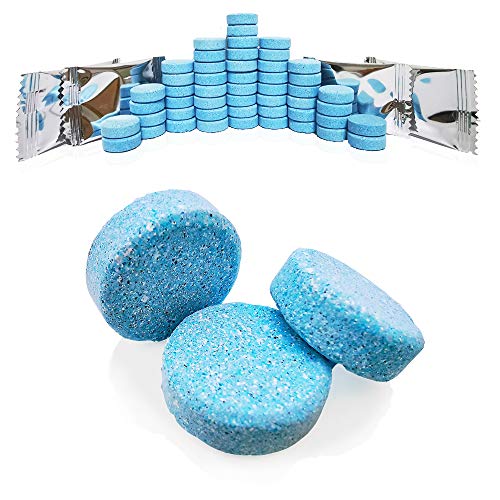
【Portable & Cost-Effective】Our windshield washer tablets are compact (16mm*2mm) and portable, making them easy to store and carry. Each tablet equals 1 gallon of washing liquid, offering significant savings compared to traditional fluids. Perfect for car windshield wiper fluid needs, these tablets are ideal for drivers looking for a convenient and economical solution.

Manufacturer: Prestone

Stens replacement parts have become a favorite among lawn and landscape professionals thanks to exceptional performance.
Local Regulations on Disposing Fluids
Local regulations govern the disposal of hazardous substances, including windshield washer fluid. Many municipalities classify these fluids as hazardous waste due to their chemical components. It’s vital to check local waste disposal guidelines before pouring anything down the drain. Common practices include:
- Contacting Local Authorities: Reach out to your local waste management department for specific laws and guidance.
- Using Designated Disposal Sites: Look for designated hazardous waste collection events or centers in your area.
- Consulting Retailers: Some auto parts retailers offer disposal services or recommendations for safe handling.
Consequences of Improper Disposal
Improperly disposing of windshield washer fluid can lead to significant consequences. The impacts may include:
- Legal Penalties: Fines can result from violating waste disposal laws.
- Environmental Damage: Contamination of local water sources may occur, harming wildlife and ecosystems.
- Health Risks: Chemicals from the fluid can negatively affect human health if they leach into drinking water supplies.
Following local regulations and proper disposal methods protects both the environment and you from potential legal troubles.
Safe Disposal Methods
Safe disposal methods for windshield washer fluid prevent environmental harm and comply with legal regulations. Here are some effective strategies to consider.
Recommended Products

This item can no be shipped to the state in California, Техаs, Arizona please check with the manufacturer regarding warranty and support issues.

Removes and repels the toughest road grime

SUPER CONCENTRATED WASHER FLUID: 16 fl oz washer fluid bottle makes 165 gallons of summer blend washer fluid. Just pump three times per gallon of water, directly into your windshield washer fluid tank.
Recommended Practices for Disposal
- Contact Local Waste Management: Reach out to your local waste management department. They provide guidance on proper disposal methods and may organize hazardous waste collection events.
- Use Designated Collection Sites: Identify approved disposal facilities in your area. Many communities offer designated recycling or hazardous waste drop-off sites for materials like washer fluid.
- Follow Manufacturer Instructions: Check the label on your washer fluid container. Manufacturers often include disposal guidelines specific to their products.
- Keep Fluids in Original Containers: Store leftover fluid in its original, sealed container. This labeling helps ensure that disposal personnel know what it is during the disposal process.
- Don’t Mix Fluids: Avoid mixing washer fluid with other chemicals. Mixing products can create dangerous reactions or make recycling difficult.
- Windshield Cleaning: Use leftover washer fluid for cleaning windshields and windows at home. Its cleaning properties work well on glass surfaces.
- Degreaser: Apply small amounts to oil stains in your garage or driveway. It’ll help break down the grease for easier cleanup.
- Ice Melter: In winter, diluted washer fluid can serve as an ice melter. Just be cautious about the effects on your plants and pets.
- General Cleaning: Use it for cleaning outdoor furniture or tools. The fluid’s solvents assist in cutting through grime.
- Donation: If you have large quantities, consider donating to local car washes or auto shops. Some businesses appreciate donated fluids for operational use.
Using these safe disposal methods ensures you’re protecting the environment while managing your windshield washer fluid responsibly.
Alternatives to Traditional Washer Fluid
You can explore several alternatives to traditional washer fluid that are more environmentally friendly and can be easily made at home.
Recommended Products

Safer, Plant-Derived Ethanol Formula: Renewable, plant-based alternative to petroleum & methanol. Safer for families & pets
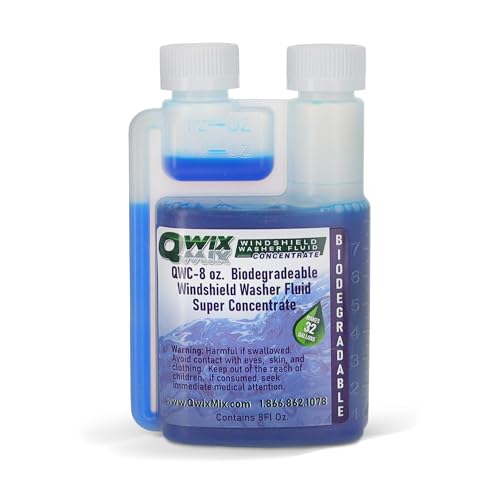
[Super Concentrated Savings] Qwix Mix windshield washer fluid concentrate makes up to 55 gallons of premium windshield washer fluid from one 8 oz bottle, saving money versus pre-mixed windshield washer fluids

EFFORTLESS CLEANING: Enjoy hassle-free maintenance with ABRO's pre-mixed windshield wiper fluid formula, saving you time and effort in preparing the solution for streak-free clarity.
Eco-Friendly Washer Fluids
Consider using eco-friendly washer fluids that contain non-toxic ingredients. Look for options made from renewable resources. Many brands offer biodegradable formulas, which break down naturally in the environment. Products made from plant-based ingredients often reduce harmful effects on local ecosystems, making these fluids a safer choice.
Making Your Own Washer Fluid
Making your own washer fluid is a simple and cost-effective solution. Follow these steps:
- Gather Ingredients: Use distilled water, vinegar, and a few drops of dish soap.
- Mix the Solution: Combine 1 part vinegar with 3 parts distilled water in a clean container. Add a few drops of dish soap to help remove grime.
- Store for Future Use: Pour the mixture into a clean, empty washer fluid jug. Label it clearly to avoid confusion.
- Test Before Use: Check the homemade fluid on a small area of your windshield to ensure it causes no adverse effects.
This DIY solution not only saves money but also reduces your environmental impact.
Conclusion
Taking care of how you dispose of windshield washer fluid is crucial for both the environment and your local community. By following the proper disposal methods and adhering to regulations, you can avoid potential harm and legal issues.
Remember that there are eco-friendly alternatives available if you’re looking to make a change. Whether you choose to buy greener products or whip up a DIY solution at home, every little effort helps.
So next time you find yourself with leftover washer fluid, think twice before pouring it down the drain. Your choices can make a difference.
Frequently Asked Questions
What is the importance of proper windshield washer fluid disposal?
Proper disposal prevents environmental damage and plumbing issues. Windshield washer fluid contains harmful chemicals that can contaminate soil and water sources if not disposed of correctly.
Are there legal considerations for disposing of windshield washer fluid?
Yes, regulations vary by locality, and washer fluid is often classified as hazardous waste. It’s crucial to understand local guidelines and follow them to avoid legal penalties.
What are the consequences of improper disposal of washer fluid?
Improper disposal can lead to legal penalties, environmental harm, and health risks. Following regulations ensures safety and protects our ecosystem.
How can I safely dispose of windshield washer fluid?
To safely dispose of washer fluid, contact your local waste management department, use designated disposal sites, and follow manufacturer instructions.
Can I use leftover washer fluid for other purposes?
Yes, leftover washer fluid can be repurposed for cleaning windshields, degreasing, melting ice, general cleaning, or even donating to car washes or auto shops.
What are some eco-friendly alternatives to traditional washer fluid?
Eco-friendly alternatives typically contain non-toxic ingredients and renewable resources. These options are safer for the environment and provide effective cleaning.
How can I make windshield washer fluid at home?
You can create a DIY solution by mixing distilled water, vinegar, and dish soap. This method is cost-effective, eco-friendly, and reduces your environmental impact.
