

Ever found yourself in a pinch with an empty washer fluid reservoir and no time to run to the store? It’s a frustrating situation many drivers face. You might wonder if you can just fill it up with water and call it a day.
In this article, you’ll discover whether using water is a viable option for your windshield washer system. We’ll explore the pros and cons, so you can make an informed choice. By the end, you’ll know the best way to keep your windshield clean without compromising your vehicle’s performance.
Key Takeaways
- Water as a Temporary Solution: Using water in the washer fluid reservoir can be a quick fix when you’re out of commercial washer fluid, but it should not be a long-term strategy.
- Pros and Cons: While water is cost-effective and easily accessible, it lacks cleaning agents, poses a freezing risk, and can promote corrosion in the washer system.
- Improving Water Use: To improve water’s effectiveness, consider mixing it with a small amount of commercial washer fluid or using distilled water to minimize mineral buildup.
- Seasonal Considerations: Be mindful of weather conditions, as using water in freezing temperatures can cause freezing in the reservoir and may lead to damage.
- Alternative Options: For optimal performance, it’s advised to use specialized washer fluid designed for your climate, or consider making DIY washer fluid recipes for an affordable alternative.
- Maintenance Importance: Prioritize replacing water with proper washer fluid as soon as possible to ensure your vehicle operates efficiently and maintains visibility.
Can You Use Water as Washer Fluid?
You can use water as washer fluid in a pinch, but it comes with drawbacks. Here are key points to consider:
Recommended Products

advanced Water beading technology leaves no streaks and is glare free

Ready-to-use formula
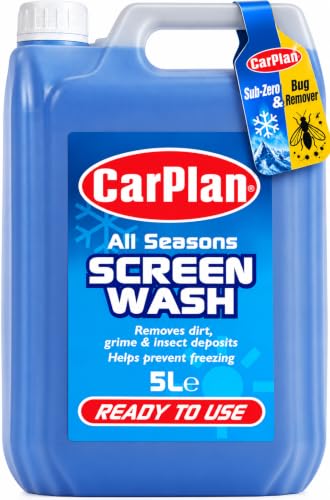
READY TO USE FORMULA: Pre-mixed 169 Fl Oz windshield washer fluid saves time and effort with no dilution needed; simply pour and go for instant cleaning performance.
Pros of Using Water
- Immediate Availability: Water is usually easy to access. If you’re in an urgent situation, you can quickly refill the washer reservoir.
- Cost-Effective: Using water saves money, especially if you run out of commercial washer fluid frequently.
Cons of Using Water
- Reduced Cleaning Power: Water lacks the cleaning agents found in washer fluid. It may not remove stubborn dirt, grime, or road salts effectively.
- Freezing Risk: In cold weather, water can freeze. This clogging can damage the washer system and affect performance.
- Potential for Corrosion: Water can promote rust in metal parts of the washer system, leading to long-term damage.
Practical Tips
- Mix Water with Washer Fluid: If you decide to use water, mix it with a little commercial washer fluid to enhance its cleaning properties.
- Use Distilled Water: Distilled water minimizes mineral deposits. This can help protect your vehicle’s system.
- Monitor Weather Conditions: Avoid using water in freezing conditions to prevent damage.
Quick Advice
If you’re out of washer fluid and need a quick fix, use water. However, replace it with proper washer fluid as soon as you can. Prioritize your vehicle’s maintenance to ensure it operates efficiently.
Benefits of Using Water
Using water as washer fluid offers practical advantages, particularly when you’re in a pinch. Here are some key benefits to consider.
Cost-Effectiveness
Using water saves money. Unlike commercial washer fluids that often come with a price tag, water remains free. If you’re out and need a quick fix, filling the reservoir with water eliminates immediate costs. This is especially helpful during the warmer months, when frozen washer fluid isn’t an issue, allowing you to save for more essential car maintenance.
Availability
Water is easy to find. If you’re running low on washer fluid, a nearby sink or any water source offers a quick refill option. This convenience speaks to practicality; you can always find water when emergencies arise. Keeping a supply on hand means you’re covered for short windshield cleaning sessions while you sort out a more permanent washer fluid solution.
Drawbacks of Using Water
Using water as washer fluid comes with several notable drawbacks that affect your vehicle’s performance and maintenance.
Recommended Products

Melts ice & frost fast, -34 degrees F protection

-25°F Cold Weather Protection: Designed to resist freezing and perform in cold temperatures for reliable winter visibility

32°F+ Summer Blend: Ideal for warm-weather driving conditions while maintaining optimal cleaning power
Freezing Temperatures
Water freezes at 32°F (0°C), creating a significant issue during cold weather. If temperatures drop, water in the washer fluid reservoir may solidify, leaving you unable to clear your windshield. In areas with harsh winters, switching to a suitable antifreeze washer fluid is crucial. Always check the weather forecast, and consider parking in a garage or using a heater to prevent freezing.
Cleaning Efficiency
Water lacks the necessary cleaning agents found in commercial washer fluids. While it may rinse away some dirt and debris, it won’t effectively remove oil, road grime, or stubborn residues. You may notice streaks or smudges on your windshield that hinder visibility. To improve cleaning efficiency, opt for a washer fluid designed for your climate and driving conditions. Mix water with specialized fluids as a temporary solution instead of relying solely on plain water.
Alternative Washer Fluid Options
While water can serve as a temporary solution, various alternative washer fluid options provide better performance. These alternatives can enhance visibility, protect against freezing, and improve overall cleaning power.
Recommended Products

EXTREME COLD PROTECTION: Formulated to provide reliable -20°F freeze protection, keeping your windshield washer system functioning in harsh winter conditions

Peace of Mind: Get complete 2-in-1 protection with a Winter De-Icer and Summer Bug Wash that can tackle any condition.

EFFORTLESS CLEANING: Enjoy hassle-free maintenance with ABRO's pre-mixed windshield wiper fluid formula, saving you time and effort in preparing the solution for streak-free clarity.
Manufacturer Recommendations
Many manufacturers recommend using proprietary washer fluid instead of water. These fluids contain solvents, surfactants, and antifreeze agents designed for optimal cleaning performance. Look for fluids labeled as “all-season” or “winter” to ensure effective usage in varying weather conditions. Always check your vehicle’s owner manual for specific recommendations, as using the right fluid prolongs wiper life and helps maintain the windshield.
DIY Washer Fluid Recipes
Creating your own washer fluid offers a cost-effective solution. Here are a couple of DIY recipes that balance effectiveness and safety:
- Basic Recipe
- Mix 1 gallon of distilled water with 1 cup of white vinegar.
- This solution cleans well and prevents streaking.
- Winter Recipe
- Mix 1 gallon of distilled water, 1 cup of rubbing alcohol, and 1 tablespoon of dish soap.
- This combination helps prevent freezing and offers enhanced cleaning power.
Use these recipes carefully, and ensure the mixtures suit your vehicle’s requirements. Store the fluid in a clean container, and avoid using regular tap water, as it may contain minerals that can cause streaks or damage.
Conclusion
Using water as washer fluid might be tempting when you’re in a pinch but it’s not the best long-term solution. While it can help in a hurry it lacks the cleaning power and protection you really need. Opting for proper washer fluid ensures your windshield stays clear and safe no matter the weather.
If you find yourself low on washer fluid consider mixing water with a bit of washer fluid or trying out one of those DIY recipes. Your windshield will thank you for it and you’ll enjoy a clearer view on the road. So next time you’re filling up that reservoir remember the benefits of using the right fluid for the job.
Frequently Asked Questions
Can I use water instead of washer fluid in my car?
Using water is a temporary solution for an empty reservoir. It’s cost-effective, but it lacks cleaning agents and can freeze in cold weather, making it less effective than proper washer fluid.
What are the risks of using water in my washer fluid reservoir?
Water can freeze, reducing visibility and causing damage to the washers. It may also lead to corrosion of the washer system due to lack of antifreeze and cleaning agents.
What are the benefits of using a specialized washer fluid?
Specialized washer fluids contain surfactants and antifreeze agents that enhance cleaning power, prevent freezing, and are less likely to cause damage to the car’s components compared to water.
Can I make my own washer fluid?
Yes! You can create DIY washer fluid using household ingredients. Recipes include mixing water with vinegar or dish soap, and winter recipes can add antifreeze to prevent freezing in cold weather.
How should I store homemade washer fluid?
Store homemade washer fluid in a clean, airtight container away from direct sunlight and extreme temperatures to ensure its effectiveness and safety.
Is it safe to mix water with washer fluid?
Mixing water with concentrated washer fluid can be safe, but avoid using tap water. Distilled water is recommended to prevent mineral buildup and ensure better performance.
