

Ever found yourself with an empty windshield washer fluid reservoir and a half-full bottle of a different brand? You might wonder if mixing them is a good idea. It’s a common dilemma for drivers, especially when you’re in a pinch and need to keep your view clear.
Understanding whether it’s okay to mix windshield washer fluid can save you from potential headaches down the road. This article will guide you through what happens when different fluids combine and help you make the best choice for your vehicle. With the right information, you can ensure your windshield stays clean and your driving experience remains safe.
Key Takeaways
- Understanding Fluid Types: Familiarize yourself with different types of windshield washer fluids—standard, de-icer, bug remover, and concentrated—to choose the best option for your needs.
- Compatibility Matters: Always check labels for compatibility before mixing fluids. Most standard fluids can mix safely, but specialized formulas may react poorly with each other.
- Potential Issues: Mixing different fluids can lead to reduced cleaning power, clogs in the system, and even chemical reactions that hinder effectiveness.
- Recommended Ratios: If mixing is necessary, adhere to recommended mixing ratios (generally a 50:50 ratio of washer fluid to distilled water) to maintain performance and prevent freezing in colder weather.
- Prioritize Consistency: Using a single brand or type of washer fluid is advisable to avoid complications associated with mixing. Opt for alternatives like vinegar and water for temporary fixes if you’re low on fluid.
Understanding Windshield Washer Fluid
Windshield washer fluid plays a crucial role in keeping your windshield clean and ensuring visibility. Knowing its types and common ingredients helps you make informed choices about mixing fluids.
Types of Windshield Washer Fluids
- Standard Washer Fluid: This fluid offers basic cleaning power for regular dirt and grime. It typically contains a mixture of water, detergents, and alcohol.
- De-Icer Fluid: Ideal for cold climates, this fluid contains antifreeze agents to melt ice and snow. It ensures your windshield remains clear during winter months.
- Bug Remover Fluid: Formulated with stronger detergents, this type targets bug splatter and road tar. It effectively removes sticky residues for a clearer view.
- Concentrated Fluid: This fluid comes in a concentrated form and requires dilution with water. Concentrated fluids provide flexibility in adjusting cleaning strength based on your needs.
- Water: The primary ingredient, water makes up most of the fluid solution. It dilutes other ingredients and aids in cleaning.
- Detergents: Detergents help break down dirt and grime on the windshield. They enhance the cleaning effectiveness of the fluid.
- Alcohol: Often present as methanol or ethanol, alcohol serves to lower the freezing point of the fluid and helps evaporate quickly.
- Fragrance: Some washer fluids include fragrance to leave a pleasant scent after cleaning. It does not affect the cleaning power but enhances your experience.
- Dyes: Dyes may be added for aesthetic purposes. They help in identifying different formulas but do not influence the fluid’s effectiveness.
Understanding these types and ingredients can guide your decisions when considering mixing different windshield washer fluids. Always check labels for compatibility to maintain optimal performance.
Is It Ok to Mix Windshield Washer Fluid?
Mixing windshield washer fluid may seem convenient, but it often raises questions about safety and effectiveness. Understanding compatibility and potential issues helps you make informed choices.
Recommended Products

Safer, Plant-Derived Ethanol Formula: Renewable, plant-based alternative to petroleum & methanol. Safer for families & pets

Removes and repels the toughest road grime
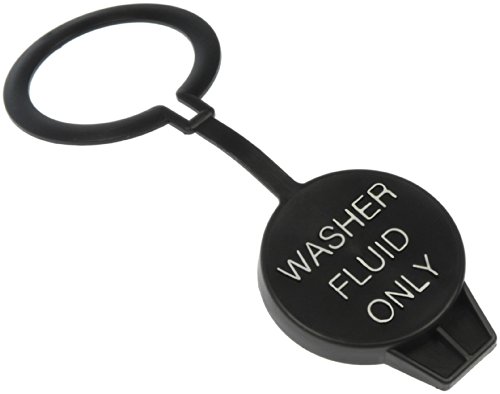
Direct replacement - this washer fluid reservoir cap is designed to match the fit and function of the original cap on specified vehicles
Compatibility of Different Fluids
Not all windshield washer fluids are created equal. If you’re considering mixing, check the label for compatibility. Most standard fluids, like those with detergents and alcohol, work well together. However, specialized fluids—such as de-icers or bug removers—may contain specific chemicals that could react poorly. Always look for similar bases, such as alcohol-based or water-based fluids, to reduce complications.
Potential Issues with Mixing Fluids
Mixing different washer fluids can lead to several problems. You might encounter:
- Reduced Cleaning Power: Different formulas may not complement each other, leading to streaks or smudges on your windshield.
- Clogs in the System: Some thicker or gel-like formulas might not fit through the washer nozzles, causing blockages.
- Chemical Reactions: Incompatible ingredients might produce unwanted reactions, diminishing the fluid’s effectiveness.
To avoid these issues, consider using the same brand or type of fluid, or stick to pre-mixed solutions designed for compatibility. Prioritize safety and visibility for a smoother driving experience.
Best Practices for Maintaining Windshield Washer Fluid
Maintaining windshield washer fluid ensures safe driving and clear visibility. Follow these best practices to keep your system working effectively.
Recommended Products

SUPER CONCENTRATED WASHER FLUID: 16 fl oz washer fluid bottle makes 165 gallons of summer blend washer fluid. Just pump three times per gallon of water, directly into your windshield washer fluid tank.
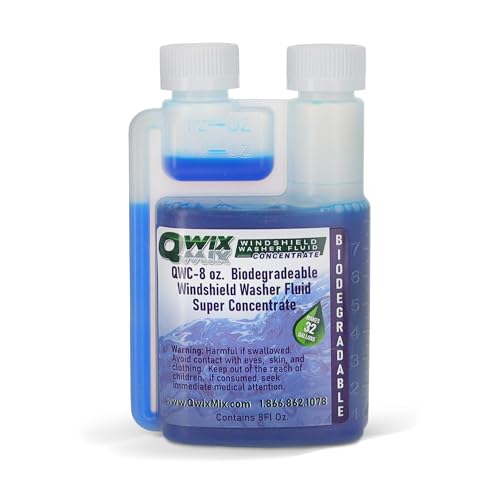
[Super Concentrated Savings] Qwix Mix windshield washer fluid concentrate makes up to 55 gallons of premium windshield washer fluid from one 8 oz bottle, saving money versus pre-mixed windshield washer fluids

Windshield washer: 1 piece of concentrated cleaning tablet is equivalent to 1.05 gallon of glass cleaning fluid, with strong cleaning power, can easily clean the dust and stains on your windshield, make the windshield clean, and ensure the driving safety of the car
Recommended Mixing Ratios
If you mix different types of windshield washer fluid, use recommended mixing ratios for optimal performance. Refer to the product labels for specific guidance. Generally, a 50:50 ratio of washer fluid to distilled water works well for most conditions. For concentrated formulas, follow manufacturer instructions closely. Adjust the ratio based on temperature: increase the washer fluid concentration in colder weather to prevent freezing.
Alternatives to Mixing
Consider using single-type windshield washer fluids to avoid potential issues caused by mixing. Using a single brand or type ensures compatibility and effectiveness. If you’re out of washer fluid, avoid using water as a long-term solution since it doesn’t provide the cleaning power needed. Instead, look for store-bought alternatives specifically designed for windshield cleaning. If the need arises, opt for a homemade solution using vinegar and water in a 1:1 ratio for temporary use until you can restock.
Conclusion
Mixing windshield washer fluids might seem like a quick fix but it can lead to more problems than you want to deal with. Sticking to a single type of fluid ensures your system works efficiently and keeps your visibility clear. Remember to follow the manufacturer’s guidelines and avoid using water as a long-term solution.
If you’re in a pinch, a homemade mix can help temporarily but always aim for the right fluid for your vehicle. Keeping your windshield washer fluid in top shape not only enhances your driving experience but also keeps you safe on the road.
Frequently Asked Questions
What is windshield washer fluid and why is it important?
Windshield washer fluid is a liquid used to clean the windshield of vehicles. It is important for maintaining clear visibility while driving, especially in adverse weather conditions. Clean windshields enhance safety by removing dirt, grime, and other substances that obstruct visibility.
What are the different types of windshield washer fluids?
The main types of windshield washer fluids include standard fluids, de-icer fluids, bug remover formulas, and concentrated solutions. Each type is designed for specific cleaning tasks, such as removing ice or bugs, and contains various key ingredients to enhance performance.
How should I maintain my windshield washer fluid?
To maintain windshield washer fluid, regularly check the fluid level and top it up as needed. Use single-type fluids for compatibility and follow manufacturer instructions for concentrated formulas. Avoid mixing different types to prevent clogs and ensure effective cleaning.
Can I use water as windshield washer fluid?
While water can be used temporarily, it is not recommended as a long-term solution. Water may freeze in cold weather and doesn’t effectively clean dirt and grime, which can lead to visibility issues. Use dedicated washer fluids for optimal performance.
What alternatives can I use for windshield washer fluid?
In emergency situations, you can create a temporary homemade solution using a mix of vinegar and water. However, this should only be a stopgap measure. For consistent results, it’s best to use commercially available windshield washer fluids designed for your vehicle’s needs.
