

Have you ever found yourself dealing with a windshield washer fluid that just won’t clear? Maybe you’ve accidentally mixed the wrong type or simply need to replace an old, ineffective fluid. It can be frustrating when your windshield isn’t getting the clean, streak-free finish you want.
Key Takeaways
- Understanding Fluid Types: Different windshield washer fluids serve distinct purposes—standard, summer, winter, concentrated, and eco-friendly—each designed to handle various driving conditions and cleaning needs.
- When to Remove Fluid: Remove windshield washer fluid if it has frozen, changed color, developed an odor, or if mixing different types leads to decreased performance.
- Essential Removal Tools: Gather necessary tools like a siphon pump, drain pan, funnel, wrench or socket set, and safety gear (gloves, safety glasses, mask) for a safe and efficient removal process.
- Step-by-Step Process: Follow a clear process to remove the fluid: locate the reservoir, siphon out old fluid, inspect and clean the reservoir, and ensure thorough draining before refilling.
- Troubleshooting Common Issues: Address clogs by inspecting nozzles and hoses, and resolve fluid leaks by checking reservoir integrity and hose conditions to maintain system efficiency.
Understanding Windshield Washer Fluid
Windshield washer fluid plays a crucial role in maintaining visibility while driving. It’s formulated to clean your windshield effectively, but not all fluids are the same.
Types of Windshield Washer Fluids
- Standard Washer Fluid: Designed for everyday use, this fluid typically contains a mix of water, detergents, and alcohol to prevent freezing. It’s effective in removing dirt and grime.
- Summer Washer Fluid: This type focuses on cleaning power during warm weather. It often contains more detergent and less alcohol, making it perfect for removing bugs and road grime.
- Winter Washer Fluid: Formulated for colder climates, this fluid contains antifreeze agents. It prevents freezing in the reservoir and works well in low temperatures.
- Concentrated Washer Fluid: Found in liquid or powder form, concentrated fluids require dilution with water before use. They offer flexibility but require careful mixing.
- Eco-Friendly Washer Fluid: Made from biodegradable ingredients, this type is gentler on the environment. It provides a sustainable alternative without compromising cleaning power.
When to Remove Windshield Washer Fluid
You should remove windshield washer fluid in specific situations. If the fluid has frozen or gelled, it can clog the system. Mixing different types of fluids may also lead to poor performance. Additionally, if you notice a decrease in cleaning efficiency or residue on the windshield, it’s time to flush the system.
Monitor the fluid’s appearance regularly. If it changes color or develops a strange odor, those are signs it needs replacing. Always opt for fresh fluid to ensure the best visibility while driving.
Tools Needed for Removal
Removing windshield washer fluid requires specific tools to make the process efficient and safe. Gathering these tools beforehand can save time and ensure a smooth operation.
Recommended Products

Replacement Part Number: 76806-SZA-A12; 76806SZAA12
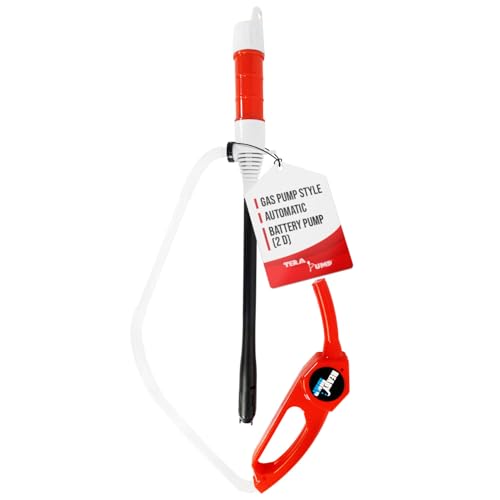
TRANSFER RATES: Transfers up to 1.8 Gallons per Minute or 7 Liters per Minute with Ready Pump Nozzle (Gas Pump Style Nozzle) - Replacement motor cap & battery cover (Sold Separately) - Built-in hook for easy storage in the garage or shop

[ FLOW CAPACITY ] Moves a maximum of 5.5 Gallons per Minute using Manual Piston Action - Flexible 47.2-inch Discharge Hose with corrugated design and an integrated nozzle holder - Twist the Air Vent Cap clockwise to generate a siphon vacuum or turn it counterclockwise to halt or reduce the flow
Essential Equipment
- Siphon Pump: Use a siphon pump to effectively transfer fluid from the reservoir.
- Drain Pan: Position a drain pan below the vehicle to catch any fluid while removing it.
- Funnel: Utilize a funnel for pouring new fluid back into the reservoir without spills.
- Wrench or Socket Set: Depending on your vehicle, you might need a wrench or socket set to disconnect hoses or parts.
- Clean Cloths: Keep clean cloths on hand for wiping up any spills and for general cleanliness.
- Gloves: Wear gloves to protect your hands from washer fluid and any contaminants.
- Safety Glasses: Use safety glasses to shield your eyes from splashes during the removal process.
- Mask: Consider wearing a mask if you’re sensitive to fumes, especially in poorly ventilated areas.
By preparing the right tools and safety gear, you can efficiently remove the windshield washer fluid without unnecessary mess or risk.
Step-by-Step Guide on How to Remove Windshield Washer Fluid
Removing windshield washer fluid is a straightforward task when you follow the right steps. Use this guide to ensure a clean and efficient removal process.
Recommended Products

[KEY FEATURES] Auto-Stop Overfill Protection Powerful D-Battery Operation 39.5" Extra-Long Hose Storage Case Included Bonus Manual Siphon Compatible with Most Major Gas Can Brands for safer, cleaner, and more convenient fuel transfers.
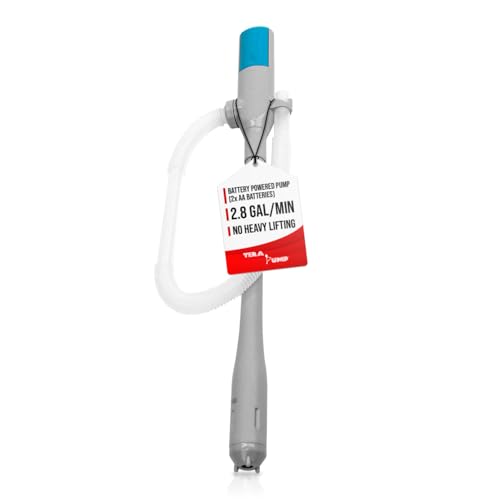
COMPATIBLE LIQUIDS - Any non-corrosive liquids such as Gas, Kerosene, Diesel, e15 to e85, Antifreeze, Non-Potable Water, Windshield Washer Fluid & DEF

BATTERY OPERATED POWER: Fuel transfer pump operated by two (D) batteries required - not provided. Minimize spills while transferring liquids using the nozzle designed in the style of a gas pump
Locating the Reservoir
- Identify the Location: Open the hood of your vehicle. Look for the windshield washer fluid reservoir, usually marked with a windshield symbol.
- Check Accessibility: Ensure you can easily access the reservoir. Some vehicles may require moving components like the battery or air intake for clear access.
Draining the Fluid
- Prepare the Siphon Pump: Insert the siphon pump’s tube into the reservoir. Make sure it reaches the bottom for effective fluid extraction.
- Begin Siphoning: Pump the handle of the siphon to start draining the fluid into a drain pan. Keep pumping until no more fluid emerges.
- Seal the Drain Pan: Once drained, secure the drain pan to prevent spills.
- Inspect the Reservoir: After draining, examine the inside for residue or sediment. This may affect future fluid performance.
- Use Clean Cloths: Wipe the interior with clean cloths to remove any remaining debris. Avoid leaving lint behind.
- Rinse (If Necessary): If significant residue exists, consider rinsing the reservoir with clean water. Ensure all water drains out completely.
By following these steps, you effectively remove old windshield washer fluid, preparing your vehicle for a fresh supply.
Troubleshooting Common Issues
Even with careful removal, issues can arise. Here are some common problems you might encounter and how to resolve them effectively.
Recommended Products

HIGH QUALITY MATERIAL: The windshield washer hose kit is made of high quality rubber, soft and elastic, strong and durable.

Package included:2 front windshield nozzles and 2 washers.、1 windshield washer fluid hose 、2 two-way hose connectors (Type I)、 2 three-way hose connectors (type T)、 2 three-way hose connectors (type Y)、one installation tool

Durable Quality: The car wash nozzle is made of high-quality materials, sturdy, waterproof and not easily damaged. This nozzle is a good helper for cleaning cars and can effectively extend the service life of the wiper blades.
Clogs and Blockages
Clogs can prevent windshield washer fluid from spraying properly. Here’s how to deal with them:
- Inspect the Nozzles: Check for dirt or debris. Use a pin or needle to clear any blockages. Gently insert it into the nozzle and wiggle it to remove obstructions.
- Clear Hoses: Examine the hoses leading to the nozzles. Pinch them to feel for any blockages. If you’re aware of any kinks or bends, straighten them out.
- Flush the System: After addressing clogs, flush the system with clean water. This helps ensure any remaining debris gets washed away.
Fluid Leaks
Fluid leaks can indicate issues with the reservoir or hoses. Here’s what to do:
- Check the Reservoir: Inspect for cracks or damage. If the reservoir is compromised, consider replacing it to prevent further leaks.
- Inspect Hoses: Examine hoses for cracks or loose connections. Tighten any loose clamps, and replace damaged hoses promptly.
- Monitor Fluid Levels: Regularly check fluid levels to spot leaks early. If you notice a rapid decrease, investigate immediately.
Addressing these common issues promptly helps maintain an effective windshield washer system for clear visibility while driving.
Conclusion
Taking care of your windshield washer system is essential for safe driving. By knowing how to remove and maintain your washer fluid you can keep your visibility clear and your system running smoothly. Remember to check for clogs and leaks regularly to avoid any surprises on the road. A little maintenance goes a long way in ensuring you have a reliable washer system when you need it most. So go ahead and give your vehicle the attention it deserves. You’ll be glad you did!
Frequently Asked Questions
What is the importance of windshield washer fluid?
Windshield washer fluid is crucial for maintaining clear visibility while driving. It removes dirt, grime, and debris from your windshield, ensuring you can see the road and other vehicles clearly, especially in adverse weather conditions.
How do I properly remove windshield washer fluid?
To remove windshield washer fluid, detach the reservoir from your vehicle, ensuring you collect any fluid in a container. Clean the reservoir thoroughly and refill it with fresh fluid. Make sure to check the system for leaks before reinstallation.
What are common issues with windshield washer systems?
Common issues include clogged nozzles, fluid leaks, and low fluid levels. Clogs can prevent fluid from reaching the windshield, while leaks can lead to empty reservoirs. Regular maintenance helps prevent these issues.
How do I clear clogged nozzles in my washer system?
To clear clogged nozzles, use a pin or needle to carefully poke through the nozzle opening. You may also flush the system with clean water to help dislodge any blockages.
How can I check for fluid leaks in the washer system?
Inspect the reservoir, hoses, and connections for any visible signs of leakage, such as puddles of fluid underneath your vehicle. If leaks are detected, replace damaged components to restore system efficiency.
How often should I check my windshield washer fluid?
You should check your windshield washer fluid at least once a month, or more frequently during periods of heavy use, to ensure the reservoir is filled and the system is functioning properly.
What should I do if my washer system is not working?
If your washer system isn’t working, check the fluid level first. If the reservoir is full, inspect for clogs in the nozzles or hoses, and check for any signs of damage. Flushing the system may also help restore functionality.
