

Have you ever been caught in a downpour only to find your windshield washer fluid refuses to spray? You’re not alone. This frustrating situation can leave you squinting through dirty glass, struggling to see the road ahead.
Understanding why your windshield washer fluid isn’t working can save you time and keep you safe. In this article, you’ll learn about common issues that can prevent your washer fluid from spraying and simple solutions to fix them. With a little know-how, you can get back to driving with a clear view in no time.
Key Takeaways
- Common Issues: Windshield washer fluid may not spray due to clogged nozzles, low fluid levels, or a malfunctioning pump. Identifying the root cause is essential to restore functionality.
- Troubleshooting Steps: Start by checking the fluid reservoir, inspecting and cleaning the nozzles, and testing the pump for functionality.
- Preventive Maintenance: Regularly check fluid levels and nozzle conditions, test the pump, promptly replace worn parts, and choose the right washer fluid for your climate.
- Choosing Washer Fluid: Select washer fluids based on climate, look for added benefits like anti-freezing properties, and consider reputable brands for reliable performance.
- When to Seek Help: Contact a professional if you notice fluid leaks, strange noises, a burning smell, or dashboard warning lights, as these may indicate serious issues requiring expert diagnosis.
- Safety First: Regular maintenance and timely repairs of your windshield washer system are essential for safe driving and visibility on the road.
Common Reasons Why My Windshield Washer Fluid Doesn’t Spray
Your windshield washer fluid might not spray for several reasons. Identifying the issue helps you restore visibility while driving.
Recommended Products

Fitment: Replacement for Chevy 1999-2007 Silverado 1500, 1999-2007 Silverado 2500, 1999-2007 Silverado 3500, 1995-2006 Tahoe, 2004-2009 Colorado, 1992-1999 C1500 C2500 Suburban, 1988-2000 C2500/C3500/K2500/K3500, 1992-1999 K1500 K2500 Suburban

💦 Buyer's Guide: If you buy it you will receive 1pcs 12V windshield washer pump with size 4.50*1.40*0.76 inch and 1pcs rubber grommet. OEM#22127652, 22127653, 8-6710, 89001122, 89025062, 11-513, 172435. Please check the OEM number and compatible models carefully before you place an order to avoid not working properly after purchase.

💦 Buyer's Guide: If you buy it you will receive 1pcs 12V windshield washer pump with size 3.04*1.14*0.76 inch and 1pcs rubber grommet. OEM#85330-60190, 85330-AE010, 85330-60180, 85330-21010. Please check the OEM number and compatible models carefully before you place an order to avoid not working properly after purchase.
Clogged Nozzles
Clogged nozzles block the flow of washer fluid. Dirt, debris, and dry residues often accumulate in the small openings. To fix this issue:
- Inspect the nozzles for any visible blockages.
- Clean them using a pin or needle to dislodge any debris.
- Test the system again. If fluid sprays, you’re good to go.
Low Fluid Levels
Low fluid levels can prevent the washer from spraying. Keeping the reservoir filled is essential for proper function. To ensure sufficient fluid:
- Check your washer fluid reservoir regularly. The indicator usually shows a low fluid level.
- Refill the reservoir with appropriate washer fluid, ideally with a formula for colder climates if necessary.
- Run the system to confirm that fluid sprays properly.
- Listen for a humming sound when activating the washer. No sound indicates a possible pump issue.
- Check the wiring and connections for any signs of damage.
- Consider replacing the pump if it appears non-functional. You can consult your vehicle manual for specific replacement steps.
Troubleshooting Steps
If your windshield washer fluid doesn’t spray, follow these troubleshooting steps to identify and resolve the issue.
Recommended Products

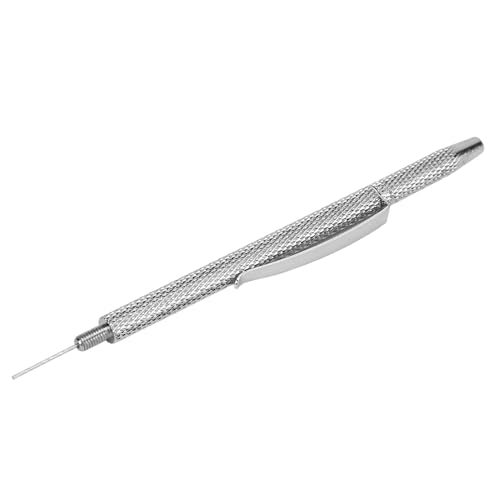
Quick and easily to clean: Makes quick work of clearing obstructions from the windshield washer spray nozzle

Welding Tip & Carburetor Cleaning Kit - This welding tip and carb cleaning kit included 13 different diameters of cleaning wires(0.4, 0.5, 0.6, 0.7, 0.8, 0.9, 1.0, 1.1, 1.2, 1.4, 1.5, 1.6, a flat file) perfect to clean all kinds of small items that get clogged. If the wire is too big they won't even go in and if too small will not do a good job cleaning, you need a wide variety of sizes, like this set. With our welding tip cleaning tool, you'll be back on the road in no time and have the engine running perfectly.
Checking Fluid Levels
First, check the windshield washer fluid reservoir. Low fluid levels cause the system to malfunction. Locate the reservoir under the hood, often marked with a windshield icon. Open the cap and look inside. If the fluid is below the minimum level, refill it using windshield washer fluid, not plain water, for optimal performance.
Inspecting Nozzles
Next, inspect the nozzles. Clogged or blocked nozzles prevent fluid from spraying effectively. Look closely at the nozzle openings for debris or buildup. If you see any, use a pin or needle to gently clear the blockage. After cleaning, spray the system to check for proper flow.
Testing the Pump
Finally, test the washer pump. Activate the washer while listening for a humming sound. If you hear nothing, inspect the pump’s electrical connections for damage or loose wiring. If everything appears connected, the pump may need replacement. Consult your vehicle’s manual for specific instructions on accessing and replacing the pump.
Preventive Measures
Taking steps to prevent issues with your windshield washer fluid can enhance your driving experience and safety. Regular maintenance and proper fluid selection play crucial roles.
Recommended Products
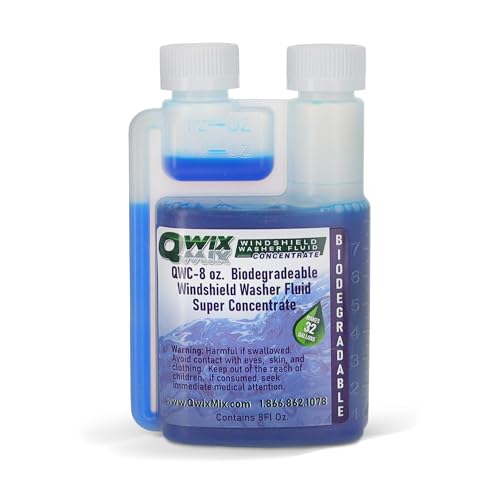
[Super Concentrated Savings] Qwix Mix windshield washer fluid concentrate makes up to 55 gallons of premium windshield washer fluid from one 8 oz bottle, saving money versus pre-mixed windshield washer fluids

SUPER CONCENTRATED WASHER FLUID: 16 fl oz washer fluid bottle makes 165 gallons of summer blend washer fluid. Just pump three times per gallon of water, directly into your windshield washer fluid tank.

One bottle of aqua charge makes 55 gallons of premium washer fluid
Regular Maintenance Tips
- Check Fluid Levels Monthly: Inspect the washer fluid reservoir to ensure it stays filled. Maintaining adequate levels prevents the system from running dry.
- Inspect Nozzles Regularly: Clean the nozzles to remove dirt or debris. Use a needle or pin to clear any blockages that may disrupt fluid flow.
- Test the Pump: Activate the washer while listening for the pump. If you hear a humming noise but no spray occurs, investigate further.
- Replace Worn Parts Promptly: Change any cracked hoses or damaged components immediately. This action prevents leakage and ensures efficient fluid delivery.
- Winter Preparation: Switch to a winter-grade washer fluid in colder months. This fluid resists freezing and keeps the system operational in frosty conditions.
Choosing the Right Washer Fluid
Selecting the proper washer fluid is vital for effective cleaning. Consider these factors:
- Type of Fluid: Use a fluid designed for your climate. All-season fluids work well in moderate temperatures, while winter-specific varieties handle subzero conditions.
- Additives and Formulation: Look for fluids with anti-freezing properties and bug-removing agents. These ingredients enhance cleaning efficiency and help maintain visibility during adverse weather.
- Concentration Levels: Choose concentrated formulas for better value. They can be diluted with water, allowing for customization based on your conditions.
- Brand Reputation: Opt for well-known brands with positive reviews. Reliable products are more likely to perform effectively and prevent potential system damage.
By implementing these preventive measures, you can keep your windshield washer fluid system in top-notch condition.
When to Seek Professional Help
When you encounter persistent issues with windshield washer fluid not spraying, it’s crucial to recognize when to involve a professional. Identifying serious problems early can prevent further damage and ensure your safety on the road.
Identifying Signs of Serious Issues
- Fluid Leaks: Noticeable puddles or stains under your vehicle may indicate a leak in the washer system. This often results from damaged hoses or fittings.
- Burning Smell: If you detect a burning odor, the washer pump could be overheating. This situation requires immediate attention.
- Strange Noises: Unusual sounds from the washer pump, such as grinding or whining, signal potential mechanical failure that demands professional assessment.
- Dashboard Warning Lights: A dashboard light indicating a problem with your vehicle’s systems may point to an underlying issue with the washer fluid mechanism or electrical components.
- Accurate Diagnosis: Professionals can use specialized tools to diagnose issues that may not be visible to you. They can pinpoint problems that standard troubleshooting methods might miss.
- Time Efficiency: Professionals can often resolve issues faster than you could on your own, saving you time and hassle.
- Safety Assurance: Ensuring your washer system functions correctly is vital for safe driving. A professional can provide peace of mind by confirming that your vehicle meets safety standards.
- Warranty Protection: If your vehicle is under warranty, professional inspections and repairs maintain coverage. DIY fixes could void warranties, leading to more significant expenses later.
Conclusion
Having a functioning windshield washer system is crucial for your safety on the road. If you find your washer fluid isn’t spraying, don’t hesitate to tackle the issue. Simple troubleshooting steps can often resolve the problem.
However if the issues persist or you notice any concerning signs it’s best to consult a professional. They can help ensure everything’s working properly and keep your vehicle safe. Remember taking care of your windshield washer system not only improves visibility but also enhances your overall driving experience. So keep those nozzles clean and your fluid topped off for a clearer view ahead.
Frequently Asked Questions
What are common causes of windshield washer fluid issues?
Common causes include clogged nozzles, low fluid levels, and malfunctioning pumps. These issues can prevent proper windshield cleaning, leading to decreased visibility while driving.
How can I troubleshoot windshield washer fluid problems?
Start by checking the fluid level, cleaning the nozzles, and inspecting the pump for wiring issues. These simple steps often resolve minor problems with the windshield washer system.
When should I seek professional help for washer fluid issues?
Seek professional help if you notice fluid leaks, burning smells, strange noises from the washer pump, or dashboard warning lights. These could indicate more serious underlying issues.
Why is it important to maintain my windshield washer system?
Maintaining your windshield washer system ensures clear visibility while driving, enhancing safety. Regular checks can prevent costly repairs and extend the life of the system.
Can I fix windshield washer problems myself?
Yes, many minor issues can be fixed at home, such as cleaning nozzles or adding fluid. However, more complex problems may require professional assessment to ensure safety and effectiveness.
