

Have you ever found yourself in a pinch, wondering if you could use windshield washer fluid in your car’s coolant system? It’s a scenario many drivers might face, especially during those moments when you’re low on coolant and need a quick fix. You might think it’s just a fluid, so how bad could it be?
In this article, you’ll find out exactly what happens when you mix these two fluids. Understanding the consequences can save you from costly repairs and keep your vehicle running smoothly. Let’s explore the potential risks and what you should do instead to keep your car in top shape.
Key Takeaways
- Windshield Washer Fluid vs. Coolant: Windshield washer fluid is designed for cleaning windshields and lacks the properties necessary for temperature regulation, making it unsuitable for coolant systems.
- Chemical Reactions: Mixing washer fluid with antifreeze can cause harmful chemical reactions, leading to sludge formation that clogs critical components like the radiator and water pump.
- Risk of Overheating: Using washer fluid instead of coolant can lead to engine overheating due to inadequate heat dissipation, risking severe engine damage.
- Protect Critical Components: Improper use of washer fluid can damage vital cooling system parts, including the radiator, water pump, and hoses, leading to expensive repairs.
- Correct Fluid Alternatives: Stick to specifically designed fluids for the coolant system, such as antifreeze, concentrated coolant, or pre-mixed options to ensure optimal vehicle performance.
- Emergency Solutions: In emergencies, distilled water can temporarily serve as coolant, but it should be replaced with proper coolant as soon as possible to avoid long-term damage.
Understanding Windshield Washer Fluid
Windshield washer fluid plays a crucial role in maintaining visibility while driving by keeping your windshield clean. It’s important to know its composition and purpose to avoid mishaps, especially when considering improper use like mixing it with coolant.
Composition of Windshield Washer Fluid
Windshield washer fluid typically contains a mix of water, alcohol, and detergents. The alcohol component helps prevent freezing in colder temperatures. Detergents effectively remove dirt and grime, ensuring a clear view. Some formulations may also include dyes for coloring or fragrances to mask chemical odors.
Purpose of Windshield Washer Fluid
Windshield washer fluid is designed specifically for cleaning your windshield. It removes road debris, insects, and other contaminants that obstruct your vision. Using this fluid helps ensure that your wipers function correctly by preventing buildup on the blades. However, it’s not designed for use in a vehicle’s coolant system. Using it as coolant can lead to significant damage and operational issues.
Potential Effects on Coolant System
Using windshield washer fluid in your coolant system can lead to serious consequences. The chemical composition of washer fluid doesn’t match that of antifreeze and can cause damage to vital components in your vehicle.
Recommended Products

Fast Cleaning For Automotive Glass: Formulated to help break down oil film, road grime, bug splatters and daily deposits on windshields and auto glass, delivering a cleaner, transparent glass surface

PACKAGE CONTENTS: Set of 210 effervescent cleaning tablets for regular use and windshield and window cleaning

[Set Includes]There are approximately 50 concentrated detergent tablets in the packaging. Sufficient quantity to meet your daily needs. Please note that this is a summer formula that requires temperatures above -5 ℃ (23 ℉) To enhance the cleaning performance in winter, it can be mixed with antifreeze. In addition, please keep the product out of reach of children and pets. If it comes into contact with the eyes, rinse immediately with water.
Chemical Reactions with Antifreeze
Washer fluid contains various additives, including alcohol and detergents. Mixing these elements with antifreeze can lead to unwanted chemical reactions. Antifreeze, designed to prevent freezing and corrosion, may lose its effectiveness. This loss can result in sludge formation, clogging your coolant passages and damaging the radiator and water pump.
Impact on Engine Temperature Regulation
Coolant plays a crucial role in maintaining your engine’s temperature. Antifreeze circulates through the engine, drawing heat away and preventing overheating. Washer fluid lacks the necessary properties to regulate temperature effectively. If you mix the two, your engine might overheat. Signs of overheating include warning lights, steam from under the hood, or coolant leaks. Address any temperature issues immediately to avoid expensive repairs.
Risks of Using Washer Fluid in Coolant
Using windshield washer fluid in your vehicle’s coolant system poses significant risks. Washer fluid lacks the necessary properties for efficient temperature regulation, leading to potential overheating and severe engine issues.
Recommended Products

Removes and repels the toughest road grime

EXTREME COLD PROTECTION: Formulated to provide reliable -20°F freeze protection, keeping your windshield washer system functioning in harsh winter conditions

SUPER CONCENTRATED WASHER FLUID: 16 fl oz washer fluid bottle makes 165 gallons of summer blend washer fluid. Just pump three times per gallon of water, directly into your windshield washer fluid tank.
Engine Overheating
Engine overheating often occurs when washer fluid is used instead of coolant. Unlike coolant, washer fluid doesn’t provide adequate heat dissipation. This deficiency can cause your engine to reach critical temperatures. If you notice the temperature gauge rising or steam from under the hood, act quickly. Pull over, turn off the engine, and allow it to cool before checking the coolant levels properly.
Damage to Cooling System Components
Damage to critical components within the cooling system can result from mixing washer fluid with coolant. The chemical makeup of washer fluid includes additives that can react negatively with antifreeze. This reaction can lead to sludge formation, clogging the radiator, and impeding coolant flow.
Critical components affected include:
- Radiator: Sludge buildup can cause overheating and leaks.
- Water Pump: Compromised lubrication can lead to premature failure.
- Hoses: Deterioration from incorrect chemical exposure can lead to leaks.
Always use fluids designed for your car’s systems to ensure optimal performance and longevity.
Alternatives to Windshield Washer Fluid
Using the correct fluid for your vehicle is crucial. Here are some alternatives specifically for the coolant system.
Recommended Products
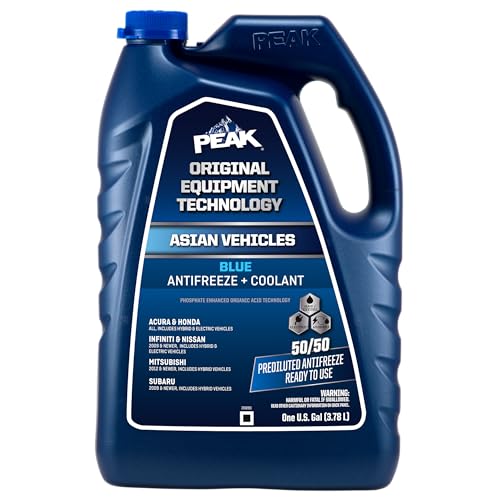
1 GALLON ENGINE ANTIFREEZE/COOLANT: Fully compatible with other extended life antifreeze/coolants. This item contains a bittering agent called Denatonium Benzoate.

Unsurpassed freeze protection and anti-boil performance outperforms industry standards

5 year/150, 000 mile . Silicate-free, long-life, phosphate Hybrid Organic Acid Technology chemistry
Proper Coolant Options
- Antifreeze: Choose a high-quality antifreeze designed for your vehicle type. Most vehicles require a 50/50 mix of antifreeze and distilled water. This mix protects against freezing and overheating.
- Concentrated Coolant: This option provides flexibility in mixing. Use it according to manufacturer recommendations. It’s essential for various climates, allowing tailored freezing and boiling points.
- Extended-Life Coolant: This coolant typically lasts longer than standard options. It’s formulated to provide better protection against corrosion, making it ideal for modern vehicles.
- Pre-Mixed Coolant: Easy to use, this option eliminates the need for mixing. Ensure it meets your vehicle’s specifications for optimal performance.
- Water: In emergencies, distilled water can serve as a temporary coolant. It’s crucial in hot weather but doesn’t offer any antifreeze properties. Replace it with proper coolant as soon as possible.
- Water and Vinegar Solution: Mixing distilled water with white vinegar in a 1:1 ratio can help in minor radiators cleaning. This option cleans corrosion but is not a long-term solution.
- Water and Baking Soda: A mixture of water and baking soda can neutralize acidity in radiators. Use this sparingly, as it’s not a substitute for proper coolant but can assist in maintenance.
- Rubbing Alcohol: Combining rubbing alcohol with water can create a temporary solution in winter. However, this option is effective only short-term and requires swift replacement with proper antifreeze.
Choosing the right alternative ensures your engine runs efficiently, avoiding costly repairs and maintaining performance.
Conclusion
Using windshield washer fluid in your coolant system isn’t just a bad idea; it can lead to serious problems. The potential for engine overheating and damage to critical components is something you definitely want to avoid. Keeping your vehicle’s fluids separate and using the right products will help maintain its efficiency and longevity.
If you ever find yourself in a pinch, remember there are plenty of alternatives to consider for your coolant needs. Making informed choices about your car’s maintenance can save you from expensive repairs down the road. Your vehicle will thank you for it!
Frequently Asked Questions
Can I use windshield washer fluid as coolant in my car?
No, using windshield washer fluid as coolant can cause significant damage to your vehicle’s cooling system. It lacks the necessary properties for effective temperature regulation and can lead to overheating.
What is the main purpose of windshield washer fluid?
Windshield washer fluid is designed to clean your windshield and improve visibility while driving. It contains detergents that help remove dirt, grime, and other debris.
What happens if I mix washer fluid with antifreeze?
Mixing washer fluid with antifreeze can cause chemical reactions that harm vital engine components, leading to sludge formation and reduced effectiveness of the antifreeze, potentially resulting in overheating.
How can I tell if my engine is overheating?
Signs of overheating include the temperature gauge reading in the red zone, steam coming from the engine, unusual engine noises, or warning lights on your dashboard.
What should I use instead of washer fluid in my coolant system?
You should use proper coolant options such as antifreeze, concentrated coolant, pre-mixed coolant, or a water/vinegar solution, depending on your vehicle’s requirements, to ensure optimal performance.
What are the benefits of using the right coolant?
Using the correct coolant helps maintain engine efficiency, prevents costly repairs, and ensures the vehicle runs smoothly under various temperature conditions. It protects essential components like the radiator and water pump.
