

Have you ever found yourself in a pinch, wondering if you can use windshield washer fluid in your radiator? It’s a common dilemma that many drivers face, especially when you’re low on coolant and need a quick fix. You might think that any liquid can do the job, but that could lead to bigger problems down the road.
In this article, you’ll learn why it’s crucial to use the right fluids for your vehicle. We’ll explore the potential risks of mixing washer fluid with radiator coolant and what you should keep on hand for emergencies. By the end, you’ll have a clearer understanding of how to care for your car and avoid costly mistakes.
Key Takeaways
- Correct Fluids Matter: Always use the proper fluids for your vehicle to avoid costly damage; never substitute windshield washer fluid for radiator coolant.
- Composition of Fluids: Windshield washer fluid contains detergents and solvents, whereas radiator coolant is specifically designed to regulate engine temperature and protect against corrosion.
- Consequences of Mixing: Using windshield washer fluid can lead to overheating, corrosion of engine components, and potential engine damage due to improper temperature regulation.
- Emergency Alternatives: In emergencies, clean water can be used temporarily, but the best practice is to always use the proper coolant for long-term vehicle health.
- Regular Maintenance: Monthly checks of coolant levels and regular cooling system flushes are essential for optimal vehicle performance and longevity.
- Professional Inspections: Annual check-ups with a mechanic can help identify potential problems in the cooling system before they escalate.
Understanding Windshield Washer Fluid
Windshield washer fluid is essential for maintaining clear visibility while driving. Knowing its composition and intended use helps you avoid potential car care mistakes.
Recommended Products

advanced Water beading technology leaves no streaks and is glare free

EFFORTLESS CLEANING: Enjoy hassle-free maintenance with ABRO's pre-mixed windshield wiper fluid formula, saving you time and effort in preparing the solution for streak-free clarity.

Peace of Mind: Get complete 2-in-1 protection with a Winter De-Icer and Summer Bug Wash that can tackle any condition.
What It Is Made Of
Windshield washer fluid typically contains a mix of water, detergents, solvents, and antifreeze agents. These ingredients work together to clean your windshield effectively. Detergents break down dirt and grime, while antifreeze agents prevent the fluid from freezing in cold temperatures. This combination ensures optimal performance under various weather conditions.
Common Uses of Windshield Washer Fluid
Windshield washer fluid serves several key purposes in vehicle maintenance.
- Cleaning Windshields: It removes dirt, bugs, and other debris, improving visibility.
- Enhancing Wiper Performance: It reduces friction between wipers and glass, preventing wear.
- Preventing Freezing: During winter, it prevents the washer system from freezing.
- Removing Road Grime: It helps clear off oily residues and water spots.
Using the right fluid in your washer system keeps your windshield clear and your driving safe.
The Function of Radiator Fluid
Radiator fluid, or coolant, plays a crucial role in your vehicle’s performance. It regulates engine temperature, prevents overheating, and protects engine components from corrosion.
Importance of Coolant in the Radiator
Coolant prevents your engine from overheating. By circulating through the engine block and radiator, it absorbs heat and dissipates it effectively. This process ensures optimal engine performance and longevity. Adequate coolant levels also provide essential protection against freezing in cold temperatures. A coolant mix with antifreeze forms a protective barrier, decreasing the risk of engine damage during extreme weather.
Types of Radiator Fluids
Radiator fluids come in two main types: conventional and organic.
- Conventional Coolant: Made primarily from ethylene glycol or propylene glycol, it provides basic protection against overheating and corrosion. Standard changes are typically recommended every two years.
- Organic Acid Technology (OAT) Coolant: This type uses organic acids for protection, offering extended service intervals, usually up to five years. OAT coolants excel in reducing engine corrosion and protecting metal components.
Choosing the right type of coolant enhances your vehicle’s efficiency and prevents costly repairs. Always consult your owner’s manual for specific coolant recommendations for your car.
Can You Put Windshield Washer Fluid in the Radiator?
No, using windshield washer fluid in the radiator is not advisable. Windshield washer fluid lacks the necessary components to effectively cool your engine and can lead to significant issues.
Recommended Products
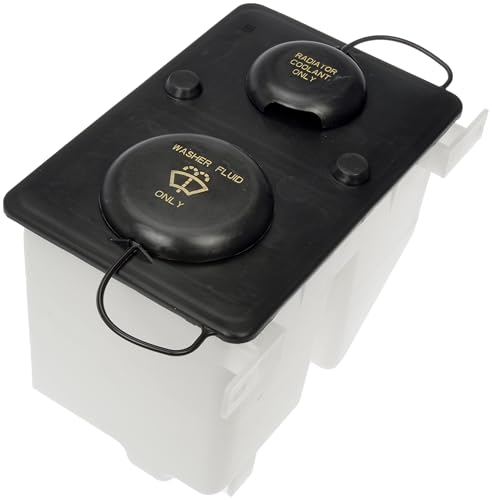
Direct replacement - this engine coolant/windshield washer fluid reservoir is designed to match the performance of an original equipment reservoir on specified vehicle makes, models and years

Formulated to replace the OEM fluid in Asian make vehicles such as Toyota , Lexus , Scion and others requiring a red, silicate free HOAT antifreeze/coolant

5 year/150, 000 mile . Silicate-free, long-life, phosphate Hybrid Organic Acid Technology chemistry
Potential Effects on the Engine
Using windshield washer fluid can disrupt engine temperature regulation. This liquid contains detergents and solvents not meant for cooling systems. Mixing it with coolant can harm engine components, leading to corrosion and poor performance. In some cases, it results in overheating, which can trigger engine damage.
Risks of Using Windshield Washer Fluid in the Cooling System
The risks associated with adding windshield washer fluid to the cooling system include:
- Corrosion: Detergents can corrode metal engine parts over time.
- Boiling Point: Windshield washer fluid often has a lower boiling point than coolant, increasing the likelihood of vapor lock.
- Freezing: Windshield washer fluid may not provide adequate protection against freezing in colder climates.
- Clogged Coolant Passages: Residual materials can clog passages, disrupting coolant flow.
Avoiding these risks is crucial to maintaining your vehicle’s efficiency and preventing costly repairs. Always use the correct type of coolant as specified in your owner’s manual.
Alternatives to Windshield Washer Fluid for the Radiator
Using the correct fluid in your vehicle’s radiator is vital for optimal engine performance. Here are some alternatives that ensure effective cooling without risking damage.
Recommended Products

Contains Alugard Plus for compatibility with all ethylene glycol-based coolants in automobiles and light duty trucks

Provides protection down to -34 degree fahrenheit
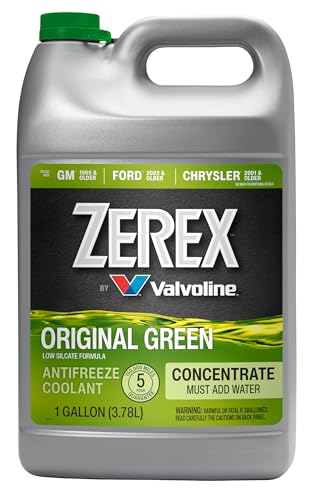
Provides protection down to -34 degree fahrenheit
Recommended Cooling System Fluids
- Engine Coolant: Antifreeze is the primary fluid for your radiator. It’s specially formulated to regulate engine temperatures and protect against corrosion and freezing.
- Water: In emergency situations, clean water can serve as a temporary coolant. However, it lacks the protective properties of antifreeze and should only be used short-term.
- Water-Coolant Mixture: A 50/50 mix of coolant and distilled water is ideal for most climates. This combination ensures effective cooling and protects against corrosion and freezing.
- Pre-Mixed Coolants: Many manufacturers offer pre-mixed coolants that provide convenience and optimal performance. Check compatibility with your vehicle’s requirements before use.
- Regular Checks: Inspect coolant levels monthly. Ensure the radiator has sufficient fluid to function effectively.
- Cooling System Flush: Perform a flush every two years. This process removes sludge and deposits that can clog the system.
- Hoses and Connections: Examine hoses for cracks or leaks regularly. Damaged hoses can lead to coolant loss and overheating.
- Temperature Monitoring: Keep an eye on the temperature gauge. If it rises above normal, pull over immediately and check for issues.
- Professional Inspections: Schedule yearly check-ups with a mechanic to catch problems early. They can assess the entire cooling system for potential issues.
By using the right fluids and maintaining your radiator, you enhance your vehicle’s longevity and performance.
Conclusion
Using the right fluids in your vehicle is crucial for keeping everything running smoothly. While it might be tempting to use windshield washer fluid in the radiator, it’s a choice you definitely want to avoid. Stick with the recommended coolants to ensure your engine stays protected and performs at its best.
Remember to regularly check your coolant levels and maintain your radiator. Taking these simple steps can save you from costly repairs down the road. Your car deserves the best care, and you’re the one who can provide it. Happy driving!
Frequently Asked Questions
What type of coolant should I use in my vehicle’s radiator?
You should use the manufacturer-recommended engine coolant for your vehicle. This ensures optimal engine performance and protection against overheating, corrosion, and freezing.
Can I use windshield washer fluid in my radiator?
No, using windshield washer fluid in your radiator is harmful. It lacks the necessary properties to prevent engine damage and can lead to severe mechanical issues.
What are the alternatives to windshield washer fluid for the radiator?
Alternatives include engine coolant, water, water-coolant mixtures, and pre-mixed coolants. Each option has specific benefits and should be used according to the guidelines provided by your vehicle’s manufacturer.
How often should I check my vehicle’s coolant?
It’s advisable to check your vehicle’s coolant regularly, at least once a month, and especially before long trips. Regular checks help maintain the engine’s health and prevent overheating.
When should I flush my coolant system?
You should flush your coolant system every 30,000 miles or as recommended by your vehicle’s manual. Regular flushing removes debris and prevents corrosion, extending the life of your radiator.
What are the signs of low coolant?
Signs of low coolant include engine overheating, a warning light on the dashboard, and visible coolant leaks under the vehicle. If you notice any of these, check your coolant level immediately.
How can I monitor my vehicle’s temperature effectively?
Keep an eye on your vehicle’s temperature gauge on the dashboard. If it moves into the red zone, it indicates overheating, and you should pull over and check the coolant levels right away.
Should I have my radiator inspected professionally?
Yes, having a professional inspect your radiator periodically is essential. They can identify potential issues, ensure proper function, and help maintain the overall health of your vehicle.
