

Have you ever found yourself with a stained check and no idea how to fix it? It can be frustrating when a little mishap ruins an important document. You might be surprised to learn that brake fluid can actually help you restore that check to its original state.
Key Takeaways
- Understanding Brake Fluid: Brake fluid comes in different types (DOT 3, DOT 4, DOT 5, and DOT 5.1) with unique properties essential for stain removal.
- Safety Precautions: Always wear gloves, avoid skin contact, work in a ventilated area, and store brake fluid properly to prevent accidents and chemical reactions.
- Washing Process: Prepare your workspace, gather necessary materials like cotton balls and an old toothbrush, and follow a step-by-step guide for applying and rinsing the brake fluid.
- Gentle Handling: Apply brake fluid sparingly, scrub gently to avoid damaging the check, and rinse immediately after cleaning to protect the paper integrity.
- Alternative Solutions: If brake fluid isn’t effective, consider isopropyl alcohol or white vinegar for stain removal, and seek professional help for stubborn cases.
Understanding Brake Fluid
Brake fluid is a vital component in automotive braking systems. It’s a hydraulic fluid that transfers force from the brake pedal to the brake components. Knowing the types and safety precautions associated with brake fluid is important when considering its use for removing stains.
Types of Brake Fluid
Several types of brake fluids exist, each with unique properties.
- DOT 3: Commonly used in most vehicles, this glycol-based fluid absorbs moisture over time, which can affect braking performance.
- DOT 4: Slightly more advanced, it has a higher boiling point than DOT 3, making it suitable for performance vehicles.
- DOT 5: This silicone-based fluid isn’t hygroscopic; it doesn’t absorb water. It’s used in classic cars and motorcycles.
- DOT 5.1: This combines the benefits of DOT 4 and DOT 5, offering excellent performance without moisture absorption.
Understanding the differences helps you choose the right fluid for various applications. It’s best to check the manufacturer’s specifications for your vehicle.
Safety Precautions
Using brake fluid requires caution due to its chemical properties.
- Wear Gloves: Protect your hands from skin irritation.
- Avoid Skin Contact: Brake fluid can cause burns or rashes.
- Use in a Ventilated Area: Fumes can be harmful; ensure good airflow during use.
- Do Not Mix Fluids: Mixing different types of brake fluid can lead to chemical reactions that impair braking performance.
- Store Properly: Keep brake fluid in a sealed container, away from children and pets.
Taking these safety steps ensures a safer experience while using brake fluid.
The Check Washing Process
Washing a check with brake fluid requires careful preparation and the right materials. Follow these steps to effectively clean your check.
Recommended Products

Mixes well with conventional fluids

Ideal for hydraulic and disc brakes

Provides an extra margin of safety in extreme braking conditions (packaging may vary)
Preparing the Area
Choose a well-ventilated workspace that’s free from clutter. Lay down old newspapers or a plastic sheet to catch any spills. Ensure you have access to water and soap for cleaning up afterward. It’s essential to keep the area secure from pets or children during the process to avoid accidents.
Materials Needed
Gather these materials before starting the process:
- Brake Fluid: Use a compatible type for your vehicle. DOT 3 or DOT 4 works well for most checks.
- Gloves: Nitrile or latex gloves protect your skin from chemicals.
- Cotton Balls: These are useful for applying brake fluid without leaving lint behind.
- Paper Towels: Keep these handy for quick clean-up and to dry off the check.
- Old Toothbrush: This can help scrub stubborn stains without damaging the check.
- Sealable Plastic Bag: Use this to safely dispose of any materials after use.
By organizing these items, you’re set to begin the check washing process efficiently.
Step-by-Step Guide
Follow these steps for effectively washing a check with brake fluid.
Recommended Products
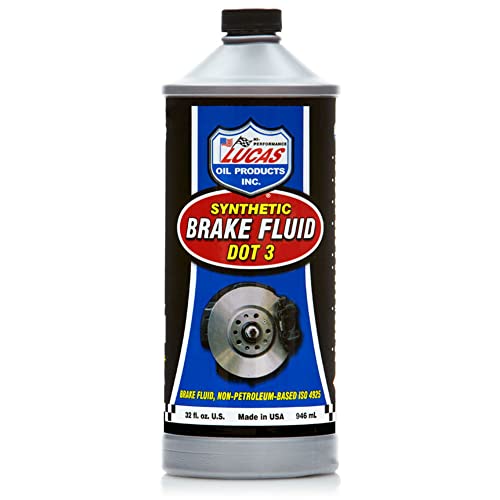
High quality blend of polyethylene glycol ethers and additives

Test the car brake fluid quality quickly to check whether it’s qualified, which can remind you to change the brake fluid when necessary to avoid traffic accident

Fast-drying formula: Designed to dry quickly when cleaning brake parts.
Applying Brake Fluid
- Prepare Your Workspace: Ensure your area is well-ventilated and free from clutter.
- Put on Gloves: Protect your hands by wearing disposable gloves.
- Apply Brake Fluid: Use a cotton ball to soak in brake fluid. Dab it gently on the stained areas of the check. Don’t saturate; apply just enough to cover the stains.
- Gently Scrub: Use an old toothbrush to lightly scrub the stained areas. Keep your scrubbing gentle to avoid damaging the check’s paper.
- Rinse with Water: Hold the check under running cold water. Rinse it thoroughly to remove brake fluid and any loosened stains.
- Air Dry: Lay the check flat on a clean paper towel. Allow it to air dry completely. This prevents additional damage from crumpling or further moisture.
- Inspect the Check: Once dry, check for any remaining stains. If necessary, repeat the process for stubborn spots.
By following these steps, you can effectively clean a check using brake fluid. Remember to safely dispose of any used materials.
Tips and Best Practices
When cleaning a check with brake fluid, these tips can enhance safety and effectiveness.
Avoiding Damage
- Test a Small Area: Before applying brake fluid to the entire check, test a hidden section first. This helps confirm that the paper won’t deform or discolor.
- Use Minimal Fluid: Apply a small amount of brake fluid to avoid saturating the check. Excessive fluid can lead to weaker paper and risk tearing.
- Gentle Scrubbing: Use gentle pressure while scrubbing with the toothbrush. Harsh scrubbing can damage the paper fibers, leading to tears or rips.
- Immediate Rinsing: Rinse the check thoroughly with water right after scrubbing. This prevents any residual brake fluid from impacting the paper.
- Air Dry Properly: Lay the check flat on a clean surface to air dry. Avoid using heat sources, as they can warp the paper.
- Isopropyl Alcohol: If brake fluid isn’t suitable, isopropyl alcohol can effectively remove ink stains. Apply a small amount with a cotton ball.
- White Vinegar: For less stubborn stains, white vinegar acts as a gentle cleaner. Soak a cotton ball and dab the affected area, then rinse.
- Commercial Stain Removers: Look for stain removers designed for paper products. Follow the manufacturer’s instructions carefully to avoid further damage.
- Professional Help: In challenging cases, consider consulting a professional restoration service. They possess specialized materials and advanced techniques for better results.
By adhering to these tips, you can maintain the integrity of your check while effectively cleaning it.
Conclusion
Cleaning a stained check doesn’t have to be a daunting task. With the right approach and some brake fluid, you can restore your check’s appearance while keeping its integrity intact. Just remember to handle the fluid carefully and follow the steps to ensure the best results.
If brake fluid isn’t your preferred method there are plenty of alternatives to explore. Whether you choose isopropyl alcohol or a professional service you’ve got options.
Don’t let a little stain stress you out. With these tips you’re well-equipped to tackle those pesky marks and keep your checks looking fresh.
Frequently Asked Questions
Can I really use brake fluid to clean stained checks?
Yes, brake fluid can be used to clean stained checks. It helps dissolve certain stains effectively but should be used with caution due to its chemical properties.
What types of brake fluid can I use for cleaning checks?
You can use both DOT 3 and DOT 4 brake fluids. However, ensure you check the specific type of stains and test a small area first.
What safety precautions should I take when using brake fluid?
Always use brake fluid in a well-ventilated area, wear gloves, and avoid skin contact. Keep the fluid away from eyes and ensure it doesn’t come in contact with other surfaces, as it can damage them.
How should I apply brake fluid to a stained check?
Apply a small amount of brake fluid to a soft cloth and gently scrub the stained area. It’s essential to use minimal fluid to avoid damaging the paper.
What should I do after applying brake fluid?
Immediately rinse the check with water to remove any residue from the brake fluid. Allow it to air dry completely before handling it again.
Are there alternative methods to clean checks besides brake fluid?
Yes, alternatives include using isopropyl alcohol, white vinegar, and commercial stain removers. For tough stains, consider professional restoration services.
Can cleaning a check with brake fluid damage it?
If done correctly with caution, it shouldn’t cause significant damage. Always test on a small area first and avoid over-scrubbing.
How can I prevent stains on my checks in the future?
To prevent stains, store checks in a cool, dry place, and avoid placing items on top of them that could cause smudges or spills.
