

Ever wondered what’s really in your windshield washer fluid? You’re not alone. Many drivers don’t realize that the clear liquid they rely on for visibility contains methanol, a common ingredient that helps keep your windshield clean and free from ice.
Understanding how much methanol is in your washer fluid can help you make safer choices for your vehicle and the environment. This article breaks down the typical methanol content in various brands, what it means for your car, and why it matters. You’ll gain insights into choosing the right fluid for your needs, ensuring you stay safe on the road.
Key Takeaways
- Methanol Content: Most windshield washer fluids contain between 20% to 30% methanol, which aids in cleaning and prevents freezing in cold temperatures.
- Safety First: Methanol can pose health risks, including symptoms from ingestion or inhalation, so use protective gear and store fluids securely out of reach of children and pets.
- Environmental Considerations: Methanol can harm the ecosystem if spilled or improperly disposed of; choose biodegradable options when possible and follow local hazardous waste regulations for disposal.
- Choosing the Right Fluid: Select washer fluids based on seasonal needs; higher methanol concentrations are ideal for winter, while lower levels suffice in warmer months.
- Proper Handling: Always read labels for ingredients, store windshield washer fluid properly, and handle it in well-ventilated areas to minimize inhalation risks.
- Dilution Guidelines: For custom mixes, use suggested methanol ratios (30% for extreme cold, 20% for moderate climates, and caution in light frosts) to ensure effective and safe application.
Overview of Windshield Washer Fluid
Windshield washer fluid plays a critical role in maintaining visibility while driving. It’s designed to clean dirt, grime, and bugs from windshields. The formulation often includes water, cleaning agents, and alcohols like methanol. Methanol acts as an antifreeze agent, preventing fluid from freezing in colder temperatures.
Most commercial windshield washer fluids contain 20% to 30% methanol. This concentration balances cleaning efficiency and cost. However, some formulations may have higher or lower methanol levels depending on the manufacturer and intended use.
Always check the label for methanol content. Choosing the right fluid based on the season boosts safety. In winter months, opt for fluids with higher methanol to prevent freezing. In summer, lower concentrations suffice.
When using windshield washer fluid, consider these tips:
- Read Labels: Always read product labels for specific ingredients and safety information.
- Store Properly: Keep fluids in a cool, dry place. Avoid exposure to extreme temperatures.
- Use Safely: Handle fluids in well-ventilated areas to minimize inhalation risks.
Selecting the right windshield washer fluid ensures your vehicle stays clean and safe on the road.
Methanol as an Ingredient
Methanol plays a crucial role in windshield washer fluid, offering both cleaning power and antifreeze properties. Understanding its purpose and concentration helps ensure safe and effective use.
Recommended Products

Minimum Purity Spec: 99. 65%, typical Purity: 99. 99%

Removes and repels the toughest road grime

SUPER CONCENTRATED WASHER FLUID: 16 fl oz washer fluid bottle makes 165 gallons of summer blend washer fluid. Just pump three times per gallon of water, directly into your windshield washer fluid tank.
Purpose of Methanol in Washer Fluid
Methanol serves as an antifreeze component in washer fluids. It prevents the fluid from freezing in cold temperatures, ensuring the fluid remains effective for cleaning windshields. Additionally, methanol helps dissolve grime, sap, and other contaminants, providing clearer visibility while driving. Using washer fluid with methanol allows for better performance during winter and in colder climates.
Methanol Concentration Levels
Typical concentrations of methanol in commercial washer fluids range from 20% to 30%. However, some formulations may contain higher levels, particularly those designed for extreme cold weather. Always check the label to determine the exact concentration. Choosing the right concentration makes a difference in performance and safety. If you’re in a region with severe winter conditions, opt for washer fluids with maximum methanol content to maintain adequate function.
Safety Considerations
Understanding the safety considerations surrounding methanol in windshield washer fluid is essential for your well-being and the environment. Methanol can pose health risks and potentially harm the ecosystem if not handled properly.
Recommended Products
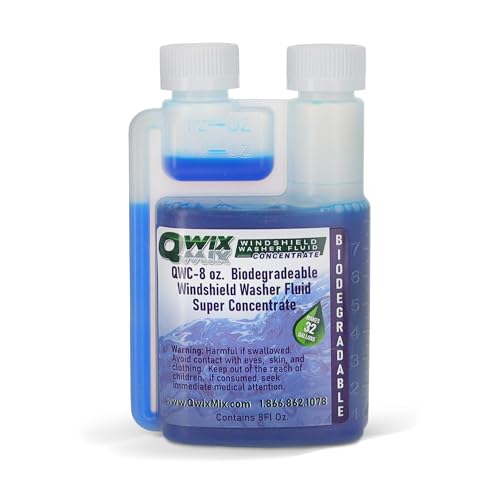
[Super Concentrated Savings] Qwix Mix windshield washer fluid concentrate makes up to 55 gallons of premium windshield washer fluid from one 8 oz bottle, saving money versus pre-mixed windshield washer fluids

Safer, Plant-Derived Ethanol Formula: Renewable, plant-based alternative to petroleum & methanol. Safer for families & pets
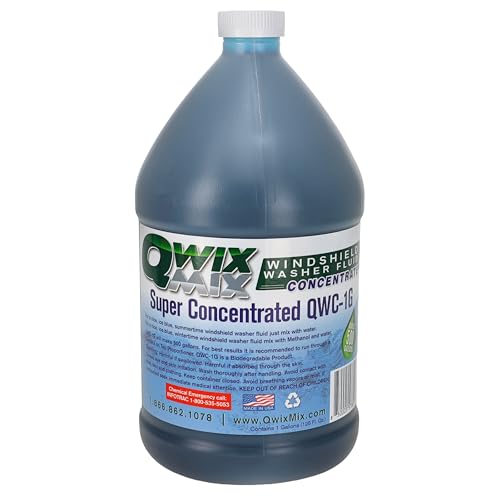
[Mix-and-Go Convenience] Qwix Mix one 1-gallon jug of concentrate is enough to make up to 500 gallons of premium windshield washer fluid, ideal for long-term use, fleet maintenance, or bulk buyers
Health Risks of Methanol
Methanol exposure can lead to serious health issues. If ingested, even small amounts may cause symptoms such as headaches, dizziness, and nausea. Larger doses could result in more severe complications, including vision problems or central nervous system depression. Always store windshield washer fluid in a secure location, out of reach of children and pets. Use protective gloves when handling washer fluid, and ventilate the area to avoid inhaling fumes.
Environmental Impact
Methanol in windshield washer fluid can affect the environment. When spilled or improperly disposed of, methanol may contaminate soil and water sources, posing risks to wildlife and plant life. Select windshield washer fluids that contain biodegradable ingredients whenever possible. Dispose of used washer fluid according to local hazardous waste regulations to minimize environmental damage. Using the appropriate amounts also helps reduce the risk of spillage and ensures that you’re making safer choices for the planet.
Guidelines for Usage
Understanding the methanol content in windshield washer fluid enhances safety and performance. Follow these guidelines to ensure effective use.
Recommended Products
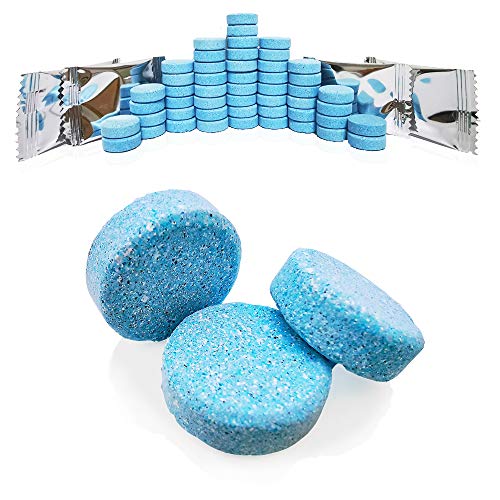
【Portable & Cost-Effective】Our windshield washer tablets are compact (16mm*2mm) and portable, making them easy to store and carry. Each tablet equals 1 gallon of washing liquid, offering significant savings compared to traditional fluids. Perfect for car windshield wiper fluid needs, these tablets are ideal for drivers looking for a convenient and economical solution.
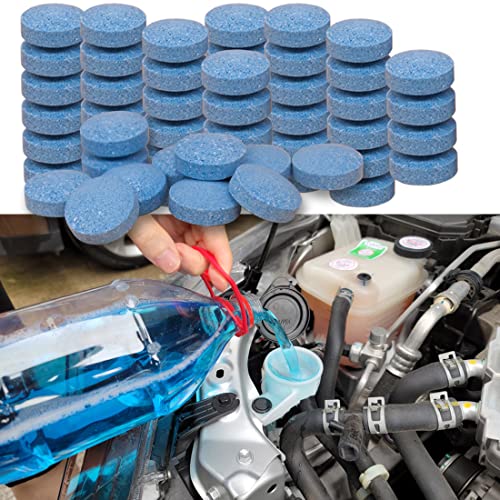
🍀ECONOMICAL& EFFICIENT You will obtain 100 pieces of solid concentrated clean washer tablets in total,the abundant quantity can satisfy your long-term demands. This washer fluid tablets will help you to save large amount money compared to the purchase of traditional washer fluid,because 100 pellets equals 100 gallon washer fluid.1 tablet+1gallon water= 1gallon windshield washer fluid.

HIGH-YIELD WINDSHIELD WASHER FLUID: One 250 ml bottle makes over 6 gallons of washer solution, giving you a concentrated wiper fluid option for routine automotive windshield cleaning.
Recommended Dilution Ratios
For most consumer-grade windshield washer fluids, a methanol concentration of 20% to 30% is standard. If you’re mixing your own solution, consider these ratios:
- 30% Methanol: Recommended for extreme cold conditions. This ratio prevents freezing in temperatures as low as -20°F (-29°C).
- 20% Methanol: Suitable for moderate climates. This concentration provides adequate cleaning without freezing in temperatures around 10°F (-12°C).
- 10% Methanol: Use sparingly during light frosts. This ratio works well in climates where temperatures rarely drop below freezing.
Always refer to the manufacturer’s directions for specific products, as formulations may vary.
Best Practices for Safe Handling
Handling windshield washer fluid containing methanol requires caution. Follow these practices to minimize risks:
- Wear Protective Gear: Use gloves and goggles when handling.
- Store Securely: Keep the fluid in its original, labeled container. Store it out of children’s reach and away from heat sources.
- Avoid Inhalation: Work in a well-ventilated area to reduce inhalation risks.
- Dispose Responsibly: Follow local regulations for chemical disposal. Never pour it down drains or onto the ground.
- Clean Spills Immediately: Use absorbent materials to clean up any spills. Dispose of materials in accordance with safety regulations.
By adhering to these guidelines, you ensure safe and effective use of windshield washer fluid.
Conclusion
Understanding the methanol content in your windshield washer fluid is key to keeping both yourself and the environment safe. By choosing the right product and handling it responsibly you can ensure your windshield stays clear without compromising your health or harming nature.
Always check the label for methanol levels and opt for biodegradable options whenever possible. Remember to store your washer fluid securely and follow safe disposal practices. Making informed choices not only enhances your driving experience but also contributes to a healthier planet. Stay safe and drive smart!
Frequently Asked Questions
What is the purpose of methanol in windshield washer fluid?
Methanol serves as an antifreeze agent, preventing the fluid from freezing in cold temperatures. It also helps clean windshields effectively, ensuring clear visibility while driving.
What is the typical methanol content in commercial windshield washer fluids?
Most commercial windshield washer fluids contain between 20% to 30% methanol. Fluids designed for extreme cold can have even higher concentrations to enhance performance.
What are the health risks associated with methanol exposure?
Exposure to methanol can lead to health issues such as headaches, nausea, and dizziness. It is important to handle it carefully and ensure proper ventilation during use.
How can I safely store windshield washer fluid?
Store windshield washer fluid in a cool, dry place out of reach of children and pets. Ensure that the container is tightly sealed to prevent leaks or spills.
Why is it important to dispose of windshield washer fluid properly?
Improper disposal can harm ecosystems and contaminate water sources. Always follow local regulations and guidelines for recycling or disposing of windshield washer fluid to minimize environmental impact.
What alternatives exist to traditional windshield washer fluids?
Consider using biodegradable windshield washer fluids that are less harmful to the environment. These options reduce potential ecological damage while still providing effective cleaning.
What best practices should I follow when using windshield washer fluid?
Always wear protective gear, such as gloves and goggles, to avoid skin and eye contact. Use the recommended dilution ratios based on temperature, and ensure proper ventilation while handling.
