

Ever found yourself in a bind with an empty washer fluid reservoir? It’s a hassle when you need a clear view of the road, especially during a rainy day or after a long drive. You might not realize it, but making your own washer fluid is easier than you think and can save you a trip to the store.
Key Takeaways
- Understanding Washer Fluid: It plays a crucial role in maintaining visibility by cleaning your windshield and preventing streaks, essential for safe driving.
- Homemade Recipes: You can easily create effective washer fluid using common ingredients like distilled water, windshield washer concentrate, and a small amount of dish soap.
- Essential Ingredients: For optimal results, use quality components like distilled water, windshield washer concentrate, isopropyl alcohol, and mild dish soap to enhance cleaning power.
- Safety Precautions: Always wear gloves, work in a well-ventilated area, and keep homemade solutions out of reach of children and pets to ensure safety while mixing and storing.
- Proper Usage: Regularly check the washer fluid level, refill as needed, and inspect wiper blades and nozzles for optimal functionality for a clear view while driving.
Understanding Washer Fluid
Washer fluid plays a crucial role in maintaining visibility while driving. Knowing its purpose and common ingredients helps you create an effective solution for your vehicle.
Recommended Products

SUPER CONCENTRATED WASHER FLUID: 16 fl oz washer fluid bottle makes 165 gallons of summer blend washer fluid. Just pump three times per gallon of water, directly into your windshield washer fluid tank.
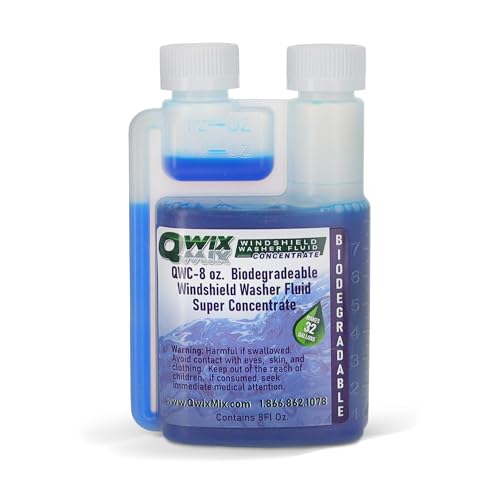
[Super Concentrated Savings] Qwix Mix windshield washer fluid concentrate makes up to 55 gallons of premium windshield washer fluid from one 8 oz bottle, saving money versus pre-mixed windshield washer fluids

Trusted Formula for Over 30 Years: Kristall Klar has been the choice for those who want a crystal clear view of the road ahead without the streaks and smears typical of standard washer fluids
Purpose of Washer Fluid
Washer fluid cleans your windshield, removing dirt, grime, and debris. This improves visibility, especially during adverse weather conditions. It prevent streaks and enhances your wiper blades’ performance. Keeping your washer fluid topped up offers peace of mind while driving on the road.
Common Ingredients in Washer Fluid
Creating your own washer fluid requires common ingredients. Here are the key components:
- Water: Acts as the primary solvent. Distilled water reduces mineral buildup in your reservoir.
- Windshield Washer Concentrate: Provides cleaning power and often includes surfactants. This component targets grease and tough stains.
- Isopropyl Alcohol: Acts as an antifreeze agent in colder temperatures. It prevents fluid from freezing in the reservoir.
- Dish Soap: A small amount aids in cleaning and lubricates wipers for smoother operation.
Using the right combination of these ingredients ensures your washer fluid is effective in cleaning your windshield. Adjust the ratios based on seasonal needs for optimal performance.
Homemade Washer Fluid Recipes
Creating your own washer fluid is simple and cost-effective. Use these recipes to keep your windshield clean and clear for safe driving.
Recommended Products

Windshield washer: 1 piece of concentrated cleaning tablet is equivalent to 1.05 gallon of glass cleaning fluid, with strong cleaning power, can easily clean the dust and stains on your windshield, make the windshield clean, and ensure the driving safety of the car

One bottle of aqua charge makes 55 gallons of premium washer fluid

STREAK-FREE WINDOW WASHING: Remove tough dirt and grime with this professional window washing solution that leaves no streaks, foam, film, or residue. A little soap goes a long way with your cleaning tasks around the home.
Basic Recipe
For a straightforward mixture, combine the following:
- 1 gallon of water: Choose distilled water to prevent mineral buildup.
- 1 cup of windshield washer concentrate: This is available at auto supply stores and ensures effective cleaning.
- 1 tablespoon of dish soap: Use a mild dish soap to help lift dirt and grime.
Mix these ingredients in a clean container. Pour the mixture into your washer fluid reservoir, and you’re ready for clearer visibility.
Advanced Recipe
For enhanced cleaning power, try this more effective solution:
- 1 gallon of distilled water: Ensures a pure mixture.
- 1 cup of isopropyl alcohol: This helps to prevent freezing in colder weather and improves cleaning performance.
- 1 cup of windshield washer concentrate: Opt for a high-quality brand for optimal results.
- 1 tablespoon of dish soap: Adds extra cleaning abilities.
Combine the ingredients in a large container. Shake well before pouring into your washer fluid reservoir. This recipe works great in winter months, keeping your windshield clear of ice and grime while improving wiper blade performance.
Tips for Making Washer Fluid
Creating your own washer fluid is simple and effective. Here are some essential ingredients and safety precautions to help you craft the perfect solution for your car.
Recommended Products

Professional Savings. Makes 200+ Gallons

Add to existing washer fluid
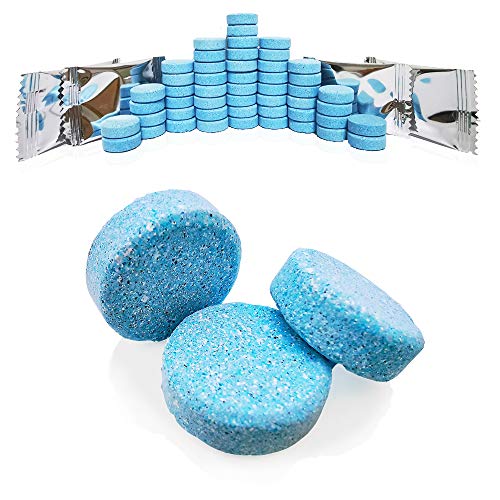
【Portable & Cost-Effective】Our windshield washer tablets are compact (16mm*2mm) and portable, making them easy to store and carry. Each tablet equals 1 gallon of washing liquid, offering significant savings compared to traditional fluids. Perfect for car windshield wiper fluid needs, these tablets are ideal for drivers looking for a convenient and economical solution.
Essential Ingredients
- Water: Use distilled water for the best results. Distilled water prevents mineral deposits that can clog your washer system.
- Windshield Washer Concentrate: Opt for a quality concentrate specifically designed for automotive use. This product enhances cleaning power.
- Isopropyl Alcohol: Include isopropyl alcohol to help prevent freezing in colder temperatures. A 70% solution works well.
- Dish Soap: A few drops of dish soap can break down grime and dirt effectively. Use a gentle formula to avoid damaging your windshield.
- Vinegar (Optional): For extra cleaning power, add vinegar. It acts as a natural degreaser.
- Wear Gloves: Protect your hands by wearing gloves while mixing ingredients, especially if you’re using isopropyl alcohol.
- Work in a Well-Ventilated Area: Ensure good airflow to avoid inhaling fumes from alcohol or other cleaning agents.
- Keep Away from Children and Pets: Store all homemade fluid out of reach to prevent accidental ingestion.
- Avoid Mixing with Other Chemicals: Do not mix washer fluid ingredients with other cleaning agents, as this could create harmful reactions.
- Label Your Solution: Clearly label your container with the contents and date to ensure you use it safely and effectively.
Making your own washer fluid not only saves money but also allows you to customize your solution for different weather conditions.
How to Use Washer Fluid in Your Car
Using washer fluid in your car is essential for maintaining clear visibility. Here’s how to effectively use it.
Refilling the Washer Fluid Reservoir
- Locate the Reservoir: Open your car’s hood and find the washer fluid reservoir. It usually has a blue or yellow cap labeled with a windshield symbol.
- Check the Fluid Level: Look at the reservoir’s transparent side to check the current fluid level. If it’s low, you’ll need to refill it.
- Prepare Your Fluid: If you’re using homemade washer fluid, ensure it’s mixed well according to your preferred recipe.
- Pour the Fluid: Remove the cap and carefully pour the washer fluid into the reservoir. Fill it to the indicated line or to about three-quarters full.
- Replace the Cap: Securely close the cap to prevent any spills. Check that it’s sealed tight to avoid contamination.
- Check Nozzles: If your washer fluid isn’t spraying, inspect the nozzles for clogs. Clean them with a thin pin or needle if necessary.
- Inspect Fluid Quality: Verify that you’re using the correct washer fluid. A poor mixture may not clean effectively. Consider adjusting your recipe based on the season.
- Examine Wiper Blades: Streaking on your windshield may indicate worn wiper blades. Replace them if they’re damaged or worn down.
- Assess Pump Functionality: If fluid isn’t reaching the windshield, check if the pump is operational. Listen for the sound when you activate the washer. If it’s silent, the pump may require replacement.
- Look for Leaks: Check the reservoir and hoses for leaks. If you find any, tighten fittings or replace components as needed to maintain fluid levels.
Conclusion
Making your own washer fluid is a simple and rewarding task that keeps your car in top shape. With just a few ingredients you can whip up a solution tailored to your needs. Plus it’s a great way to save money while ensuring your visibility on the road remains clear.
Remember to follow safety precautions and choose the right recipe for the season. By keeping your washer fluid reservoir full and your windshield clean you’re not just enhancing your driving experience but also prioritizing safety. So next time you notice your fluid is running low you’ll know just what to do!
Frequently Asked Questions
What is the importance of washer fluid for my vehicle?
Washer fluid is crucial for maintaining clear visibility while driving. It helps clean the windshield, removes dirt, grime, and debris, prevents streaks, and enhances the wiper blades’ performance, ensuring safer driving conditions.
Can I make my own washer fluid at home?
Yes! You can easily make your own washer fluid using common ingredients like distilled water, windshield washer concentrate, isopropyl alcohol, and a few drops of dish soap. This DIY approach saves money and allows for customization based on your needs.
What are the common ingredients for homemade washer fluid?
Common ingredients for homemade washer fluid include distilled water, windshield washer concentrate, isopropyl alcohol, dish soap, and optional vinegar for added cleaning power. These ingredients can be adjusted according to seasonal requirements.
How do I safely make washer fluid?
When making washer fluid, always wear gloves and work in a well-ventilated area. Keep the solution away from children and pets, avoid mixing with other chemicals, and label the container clearly for safety.
How can I effectively use washer fluid in my vehicle?
To use washer fluid effectively, refill the reservoir regularly, check nozzles for clogs, verify fluid quality, inspect wiper blades, assess pump functionality, and look for any leaks to maintain optimal performance of your washer fluid system.
