

Ever found yourself in a situation where your windshield is smeared with dirt and you can’t see clearly? You reach for the washer fluid only to realize you don’t know where to put it. You’re not alone. Many drivers face this common dilemma, and it can be frustrating.
Key Takeaways
- Windshield washer fluid is essential for maintaining clear visibility while driving, consisting of water, detergent, and antifreeze.
- To refill, locate the translucent reservoir under the hood, check fluid levels, and pour the fluid until it reaches the maximum line.
- Regularly inspect washer fluid levels, ideally monthly or before long trips, to ensure you’re prepared for adverse weather or road conditions.
- Low fluid signs include inconsistent spray, reduced flow, an empty indicator light, streaky windshields, and dry pump noises.
- Use standard washer fluid or a winter formula for optimal performance, and avoid using plain water or specialty fluids that may cause damage.
Understanding Windshield Washer Fluid
Windshield washer fluid cleans your windshield, improving visibility while driving. It typically consists of a mixture of water, detergent, and antifreeze to prevent freezing in cold weather. Knowing how to refill this fluid can save you from unsafe situations on the road.
Components of Windshield Washer Fluid
- Water: Acts as a solvent to dilute dirt and grime.
- Detergent: Breaks down stubborn debris like bugs, grease, and road tar.
- Antifreeze: Prevents the fluid from freezing in cold temperatures.
How to Find the Reservoir
- Open the Hood: Locate the hood release inside your vehicle and pull it.
- Identify the Reservoir: Look for a translucent container, often labeled with a windshield symbol.
- Check Fluid Level: The reservoir typically has minimum and maximum indicators on the side.
Refilling Windshield Washer Fluid
- Choose the Right Fluid: Use either pre-mixed fluid or concentrate with water.
- Remove the Cap: Twist off the reservoir cap.
- Pour the Fluid: Fill until the fluid reaches the maximum line.
- Replace the Cap: Ensure it clicks back into place to avoid spills.
- How Often Should You Check Fluid Levels?: Inspect fluid levels monthly or before long trips.
- What If the Fluid Doesn’t Spray?: Check for clogs in the spray nozzle or low fluid levels.
Following these guidelines ensures your windshield washer fluid is always ready for use, keeping your view clear.
Importance of Windshield Washer Fluid
Windshield washer fluid plays a crucial role in maintaining visibility while driving. It’s essential for safe travel, especially in adverse weather or on dirty roads.
Keeping Your View Clear
Windshield washer fluid effectively removes dirt, grime, and road debris. You may encounter mud splashes or insect remnants on your windshield. Without sufficient washer fluid, these remnants obstruct your view. Regularly checking and refilling your fluid ensures a clear and unobstructed field of vision.
Enhancing Driving Safety
Windshield washer fluid enhances overall driving safety. When you maintain a clean windshield, your reaction time improves. Clear visibility reduces the risk of accidents caused by obscured views. For instance, during rain or snow, having adequate fluid helps keep the glass clear, ensuring that you can quickly spot road signs and other vehicles. Keeping your washer fluid topped off is a simple yet effective way to promote safer driving conditions.
Locating the Windshield Washer Fluid Reservoir
Finding the windshield washer fluid reservoir is essential for maintaining a clear view while driving. This reservoir stores the fluid that helps keep your windshield clean, ensuring optimal visibility.
Recommended Products

🚗This product OE/OEM part number: 13227300 is a direct replacement for the replaced part numbers: 13227300, 12767700, 12788573, 19172571. perfect replacement. Note: Models that are not within the description range. Please do not purchase
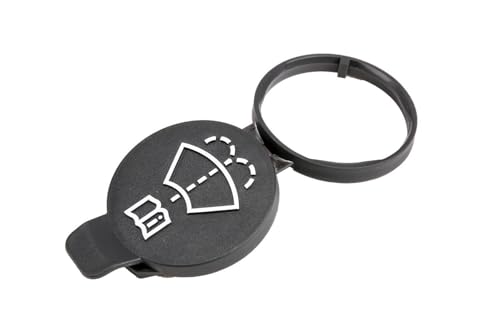
Some GM Genuine Parts may have formerly appeared as ACDelco GM Original Equipment (OE)

Direct replacement - this washer fluid reservoir cap is designed to match the fit and function of the original cap on specified vehicles
Common Locations in Vehicles
- Under the Hood: Most vehicles have the reservoir located under the hood, usually near the back or sides of the engine bay.
- Near the Engine: Look for a translucent tank with a cap, typically found close to the engine coolant reservoir.
- Labeling: Some cars feature a windshield wash symbol on or near the reservoir to help identify its location quickly.
- Color: The cap is often blue or yellow, making it easy to spot among other engine components.
- Symbol: A windshield icon, sometimes with spray lines, usually appears on the cap, indicating its purpose.
- Twist Off: Most caps twist off, providing access to refill. Just ensure it’s secure after adding fluid to prevent spills.
How to Check and Refill Windshield Washer Fluid
Checking and refilling your windshield washer fluid is straightforward. Keeping the fluid full ensures a clear view when driving.
Recommended Products

Trusted Formula for Over 30 Years: Kristall Klar has been the choice for those who want a crystal clear view of the road ahead without the streaks and smears typical of standard washer fluids

This item can no be shipped to the state in California, Техаs, Arizona please check with the manufacturer regarding warranty and support issues.

Safer, Plant-Derived Ethanol Formula: Renewable, plant-based alternative to petroleum & methanol. Safer for families & pets
Proper Techniques for Refilling
- Open the Hood: Use the release lever inside your vehicle to unlock and lift the hood.
- Locate the Reservoir: Look for the reservoir, usually marked with a windshield icon on the cap.
- Inspect the Fluid Level: Check the fluid level through the reservoir’s see-through side. If it’s below the fill line, it’s time to refill.
- Remove the Cap: Twist off the cap carefully to avoid splashing.
- Pour in the Fluid: Use a funnel for easier pouring, especially if the opening is narrow. Fill until it reaches the fill line.
- Replace the Cap: Ensure the cap is tight to prevent spills.
- Close the Hood: Securely close the hood after refilling.
- Standard Washer Fluid: Regular washer fluid works well for everyday use. It’s designed to remove dirt and grime effectively.
- Winter Formula: In cold months, use a winter formula with antifreeze properties. This prevents freezing in low temperatures.
- DIY Solutions: Mix distilled water with a small amount of dish soap as a temporary solution. Avoid using plain water alone, as it can freeze or leave streaks.
- Avoid Specialty Fluids: Refrain from using fluids meant for specific purposes like de-icing without checking compatibility, as they can damage the system.
Regularly checking your windshield washer fluid ensures safe visibility, especially in adverse weather conditions.
Signs Your Windshield Washer Fluid is Low
Recognizing low windshield washer fluid levels is essential for maintaining clear visibility while driving. Watch for these key signs:
- Inconsistent Spray
If the fluid doesn’t spray out evenly, your reservoir might be running low. - Reduced Flow
Notice a weak or sputtering stream when activating the washer? This likely indicates low fluid levels. - Empty Indicator Light
Some vehicles feature a warning light on the dashboard. If it lights up, check your washer fluid immediately. - Windshield Streaks
If your windshield remains streaky after use, it’s possible that fluid levels are insufficient to adequately clean the glass. - Dry Pump Noise
Listen for a strange noise when you activate the washer. A dry pump can signal an empty reservoir. - Visual Inspection of the Reservoir
Look directly at the reservoir to gauge fluid levels. Most have a fill line marked clearly on the side.
Addressing these signs promptly helps ensure safety and visibility on the road. Make checking your windshield washer fluid a part of your regular vehicle maintenance routine.
Recommended Products

Removes and repels the toughest road grime

EXTREME COLD PROTECTION: Formulated to provide reliable -20°F freeze protection, keeping your windshield washer system functioning in harsh winter conditions

SUPER CONCENTRATED WASHER FLUID: 16 fl oz washer fluid bottle makes 165 gallons of summer blend washer fluid. Just pump three times per gallon of water, directly into your windshield washer fluid tank.
Conclusion
Keeping your windshield washer fluid topped off is essential for safe driving. By knowing where to find the reservoir and how to refill it, you can ensure a clear view of the road ahead. Don’t forget to regularly check your fluid levels and look out for any signs that might indicate a problem.
Choosing the right fluid for the season can make a big difference too. Whether it’s rain snow or dirt on the road having the right washer fluid helps you stay safe. So take a few moments to maintain your washer system and enjoy a clearer drive every time you hit the road.
Frequently Asked Questions
What is windshield washer fluid, and why is it important?
Windshield washer fluid is a liquid used to clean the windshield while driving. It contains water, detergents, and alcohol, which help remove dirt, grime, and road debris. Maintaining proper fluid levels is crucial for clear visibility and safety on the road, especially during adverse weather conditions.
How can I check my windshield washer fluid level?
To check your windshield washer fluid level, locate the reservoir under the hood, usually marked with a windshield icon. Open the cap and visually inspect the fluid level. If it’s low, it’s time to refill it for optimal visibility while driving.
What types of windshield washer fluid should I use?
Choose windshield washer fluid based on your driving conditions. For normal weather, a standard solution works, while in freezing temperatures, use a fluid that contains antifreeze. Always consult your vehicle’s manual for specific recommendations to ensure optimal performance.
How do I refill windshield washer fluid?
To refill, locate the windshield washer fluid reservoir, then open the cap. Pour the appropriate fluid into the reservoir until it reaches the recommended level. Avoid overfilling, and securely close the cap afterward to prevent contamination.
What are the signs I need to refill my windshield washer fluid?
Key signs include inconsistent spray from the nozzles, reduced flow, an empty indicator light on the dashboard, streaks on the windshield, or noise from a dry pump. Address these issues promptly to maintain safety while driving.
How often should I check my windshield washer fluid?
It’s best to check your windshield washer fluid levels regularly, ideally once a month or before long trips. Frequent checks ensure that you have adequate fluid, especially during adverse weather when visibility is crucial for safe driving.
