

Have you ever found yourself driving with a dirty windshield and no way to clean it? It’s frustrating when your visibility is compromised, especially during a rainstorm or after a long road trip. You might be surprised to learn that refilling your washer fluid is a simple task you can do yourself.
In this article, you’ll learn just how easy it is to keep your windshield washer fluid topped off. We’ll walk you through the steps, share tips on choosing the right fluid, and help you avoid common mistakes. By the end, you’ll feel confident tackling this quick maintenance task, ensuring your view stays clear and safe on the road.
Key Takeaways
- Understanding Washer Fluid: Washer fluid is essential for maintaining clear visibility by removing dirt and debris from your windshield.
- Importance for Safety: Keeping washer fluid topped off is crucial for safe driving, as a clean windshield enhances visibility and prevents potential hazards.
- Types of Washer Fluid: Choose from various washer fluid types based on your local climate and driving conditions, including standard, all-season, summer, and concentrated options.
- Step-by-Step Refilling Process: Follow a simple procedure to add washer fluid: gather supplies, locate the reservoir, check the fluid level, use a funnel, add fluid, and test the system afterward.
- Common Mistakes to Avoid: Avoid overfilling the reservoir and using the wrong type of fluid to ensure optimal performance and prevent damage to your vehicle.
Understanding Washer Fluid
Washer fluid plays a crucial role in keeping your windshield clear. It helps remove dirt, grime, and debris, improving your visibility on the road. Understanding washer fluid can enhance your driving experience.
Recommended Products

Removes and repels the toughest road grime

SUPER CONCENTRATED WASHER FLUID: 16 fl oz washer fluid bottle makes 165 gallons of summer blend washer fluid. Just pump three times per gallon of water, directly into your windshield washer fluid tank.
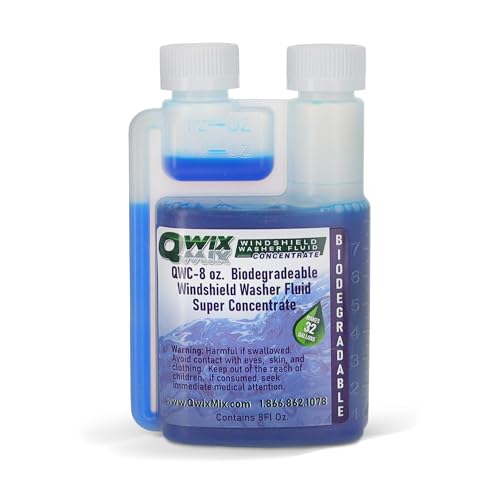
[Super Concentrated Savings] Qwix Mix windshield washer fluid concentrate makes up to 55 gallons of premium windshield washer fluid from one 8 oz bottle, saving money versus pre-mixed windshield washer fluids
Importance of Washer Fluid
Keeping washer fluid topped off is vital for safety. Dirty windshields can obstruct your view, especially during rain or snow. Washer fluid aids in:
- Clearing Debris: It removes bugs, dust, and other contaminants.
- Enhancing Visibility: Clean glass contributes to safer driving conditions.
- Preventing Damage: Quality fluid protects your wipers and windshield from wear.
Driving without adequate washer fluid poses risks. Always check and refill as needed.
Types of Washer Fluid
Different types of washer fluid cater to various driving conditions. Familiarize yourself with these options:
- Standard Washer Fluid: Suitable for normal conditions, effective at removing light dirt and grime.
- All-Season Washer Fluid: Formulated for year-round use, it withstands freezing temperatures and dissolves tough residue.
- Summer Washer Fluid: Designed for warmer weather, it’s good for eliminating bugs and road debris.
- Concentrated Washer Fluid: Requires dilution with water before use. It’s cost-effective and can be tailored to specific needs.
Select the type that matches your local climate and driving habits to ensure optimal performance. Always consult your vehicle’s manual for manufacturer recommendations.
Preparing to Add Washer Fluid
You can ensure clear visibility by preparing properly before adding washer fluid. Follow these steps to get started.
Recommended Products

【COMPATIBLE WITH MODEL 3 & MODEL Y】 Designed for Tesla Model 3 2017–2026 and Model Y 2020–2026 washer fluid filler necks. For refreshed 2025–2026 Model Y / Juniper models, the filler opening is positioned closer to surrounding trim, so clearance may be tighter. The funnel can be used for refilling; remove it after use if it contacts the weather seal or surrounding trim.

Trusted Formula for Over 30 Years: Kristall Klar has been the choice for those who want a crystal clear view of the road ahead without the streaks and smears typical of standard washer fluids
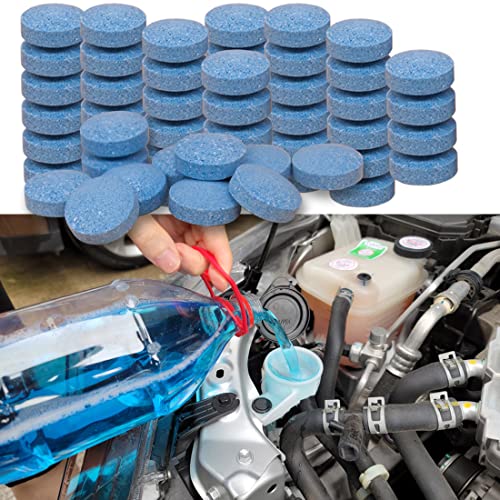
🍀ECONOMICAL& EFFICIENT You will obtain 100 pieces of solid concentrated clean washer tablets in total,the abundant quantity can satisfy your long-term demands. This washer fluid tablets will help you to save large amount money compared to the purchase of traditional washer fluid,because 100 pellets equals 100 gallon washer fluid.1 tablet+1gallon water= 1gallon windshield washer fluid.
Gather Necessary Tools
- Washer Fluid: Purchase a suitable washer fluid based on weather conditions. Choose a concentrated formula for extreme temperatures or a regular solution for mild climates.
- Funnel: Use a funnel to avoid spills when pouring fluid into the reservoir.
- Cloth or Towel: Keep a cloth or towel handy to wipe up any drips or spills during the process.
- Locate the Reservoir: Open your car’s hood and find the washer fluid reservoir. It usually has a symbol that resembles a windshield with wipers.
- Check the Cap: The cap for the reservoir often features a color code. Yellow or blue caps typically indicate washer fluid. Make sure to verify the symbol for accuracy.
- Inspect Fluid Level: Before adding fluid, check the level inside the reservoir. Look for a fill line or markings that indicate how much fluid is present.
How to Put Washer Fluid in Your Car
Adding washer fluid to your car is a simple task that greatly enhances visibility. Follow these clear steps to ensure you do it correctly.
Recommended Products

32°F+ Summer Blend: Ideal for warm-weather driving conditions while maintaining optimal cleaning power
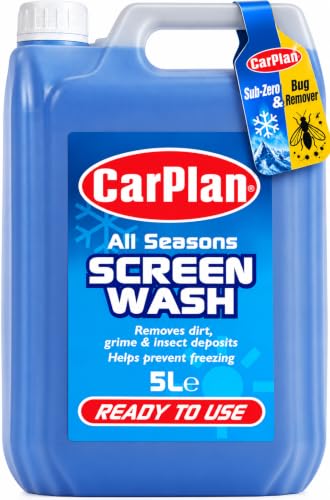
READY TO USE FORMULA: Pre-mixed 169 Fl Oz windshield washer fluid saves time and effort with no dilution needed; simply pour and go for instant cleaning performance.

Windshield washer: 1 piece of concentrated cleaning tablet is equivalent to 1.05 gallon of glass cleaning fluid, with strong cleaning power, can easily clean the dust and stains on your windshield, make the windshield clean, and ensure the driving safety of the car
Step-by-Step Instructions
- Gather Supplies: You’ll need washer fluid, a funnel, and a clean cloth for spills.
- Locate the Reservoir: Open the hood and find the washer fluid reservoir. It typically has a cap labeled with a windscreen symbol.
- Check the Fluid Level: Inspect the fluid level through the reservoir’s translucent body. If it’s low, it’s time to refill.
- Remove the Cap: Unscrew or pull the cap off the reservoir. Keep it in a safe place.
- Use a Funnel: Place the funnel into the neck of the reservoir to prevent spills.
- Add Washer Fluid: Pour the washer fluid into the reservoir. Fill it to about ¾ full, avoiding overfilling.
- Replace the Cap: Reattach the cap securely to prevent leaks.
- Test the System: After adding the fluid, check the washers by activating them to ensure they’re functioning properly.
- Choose the Right Fluid: Select washer fluid suitable for your local climate. Use winter formulas in colder months and standard fluid in milder weather.
- Avoid Mixing Liquids: Never mix washer fluid brands, as different chemicals may react negatively.
- Stay Clean: Wipe any spills immediately. Washer fluid may contain chemicals that can damage your car’s paint or harm surfaces.
- Educate Yourself: Consult your vehicle’s manual for specific recommendations about the type and amount of washer fluid needed.
- Check Regularly: Inspect the washer fluid level monthly, especially during seasons with heavy usage.
Common Mistakes to Avoid
Avoiding common mistakes when adding washer fluid helps ensure safety and maintains your vehicle’s performance. Here’s how to steer clear of these pitfalls.
Overfilling the Reservoir
Overfilling the reservoir can lead to spills and potential damage. Only fill the reservoir until it’s full, not overflowing. If you notice fluid running out of the cap, you’ve added too much. Wipe up any spills promptly to prevent buildup on vehicle surfaces.
Using the Wrong Fluid Type
Using the wrong fluid type may cause inadequate cleaning or even damage the windshield components. Always select washer fluid appropriate for your climate, like antifreeze for cold weather or a summer blend for warmer conditions. Check your vehicle’s manual for specific recommendations, ensuring compatibility with your system.
Conclusion
Keeping your windshield clear is essential for safe driving and maintaining visibility. By regularly checking and refilling your washer fluid you’ll not only enhance your driving experience but also protect your vehicle.
Choosing the right fluid for your climate and following the proper steps to add it can make all the difference. Remember to avoid common mistakes like overfilling or mixing different types.
With just a little effort you can ensure your washer fluid system is in top shape, helping you stay safe on the road. So next time you’re low on fluid take a moment to refill and enjoy a clearer view ahead.
Frequently Asked Questions
Why is maintaining a clear windshield important?
Maintaining a clear windshield is crucial for safe driving. A clean windshield enhances visibility, reducing the chances of accidents. Additionally, it prevents damage from dirt and debris, allowing better performance of wipers and washer systems.
What type of washer fluid should I use?
Choose washer fluid based on your climate and conditions. There are specific types designed for freezing temperatures, while others work better in warmer weather. Always check your vehicle’s manual for recommendations to ensure compatibility.
How do I add washer fluid to my car?
To add washer fluid, locate the reservoir under the hood, usually marked with a windshield icon. Remove the cap, pour in the fluid until it reaches the recommended level, and replace the cap securely. Avoid overfilling.
What are common mistakes when using washer fluid?
Common mistakes include overfilling the reservoir, using the wrong type of fluid, and mixing different fluids. These can lead to spills, inadequate cleaning, or even damage to your vehicle’s windshield system.
How often should I check my washer fluid level?
Regularly check your washer fluid level, ideally every month or before long trips. Keeping it topped up ensures you always have optimal visibility and can respond effectively to windshields that get dirty on the road.
