

Have you ever wondered what to do with old windshield washer fluid? You’re not alone. Many people find themselves with leftover fluid after a refill or when they need to dispose of a vehicle. Knowing how to handle it safely is important for both the environment and your peace of mind.
Key Takeaways
- Understanding Composition: Windshield washer fluid typically contains water, methanol, surfactants, dyes, and fragrance agents, with potential environmental and health risks associated with improper disposal.
- Environmental Impact: Disposing of washer fluid incorrectly can lead to water pollution and adversely affect local ecosystems, making responsible disposal essential.
- Health Hazards: Chemicals like methanol in washer fluid pose health risks if released into the environment, highlighting the need for safe disposal practices.
- Legal Compliance: Many regions have regulations regarding hazardous waste disposal, and failure to adhere to these can result in fines or legal consequences.
- Proper Disposal Methods: Options include recycling at designated facilities or using local waste management services to ensure safe disposal of hazardous materials.
- Eco-friendly Alternatives: Consider using homemade solutions or eco-friendly washer fluids to reduce environmental impact while maintaining vehicle care.
Understanding Windshield Washer Fluid
Windshield washer fluid is essential for maintaining visibility while driving. It’s a mixture of several ingredients designed to remove dirt and improve clarity. Knowing what’s inside and the risks associated with disposal helps you handle it responsibly.
Recommended Products

This item can no be shipped to the state in California, Техаs, Arizona please check with the manufacturer regarding warranty and support issues.

Removes and repels the toughest road grime

SUPER CONCENTRATED WASHER FLUID: 16 fl oz washer fluid bottle makes 165 gallons of summer blend washer fluid. Just pump three times per gallon of water, directly into your windshield washer fluid tank.
Common Ingredients in Windshield Washer Fluid
- Water: Most washer fluids contain a high percentage of water. Water acts as a solvent to dilute dirt and grime.
- Methanol: This alcohol often appears in washer fluids. Methanol lowers the freezing point, preventing the fluid from freezing in cold temperatures.
- Surfactants: These compounds help break down dirt and oil. Surfactants improve the cleaning efficiency of the fluid.
- Dyes: Dyes are added for color, making it easier to identify the fluid.
- Fragrance agents: Some washer fluids include scents to combat unpleasant odors.
- Environmental Impact: Disposing of washer fluid improperly can contribute to water pollution. It contaminates groundwater and affects local ecosystems.
- Health Hazards: Methanol and other chemicals pose health risks if released into the environment. Inhaling or ingesting these substances can lead to serious health issues.
- Legal Consequences: Many areas have regulations governing the disposal of hazardous waste. Failing to comply can result in fines or legal actions.
- Recycling Challenges: Improper disposal complicates recycling efforts. Contaminated water supplies hinder effective waste management practices.
Proper Disposal Methods
Proper disposal of windshield washer fluid is crucial for environmental protection and public health. Several effective methods exist for disposing of it responsibly.
Recommended Products

Melts ice & frost fast, -34 degrees F protection

EFFORTLESS CLEANING: Enjoy hassle-free maintenance with ABRO's pre-mixed windshield wiper fluid formula, saving you time and effort in preparing the solution for streak-free clarity.

Safer, Plant-Derived Ethanol Formula: Renewable, plant-based alternative to petroleum & methanol. Safer for families & pets
Recycling Options
Recycling options for windshield washer fluid depend on local regulations. Check with your local recycling center for guidelines on accepted fluids. Some facilities may recycle antifreeze or windshield washer fluid, transforming it into new products. When you find an appropriate facility, store the fluid in its original container or a clear, labeled container to prevent contamination.
Waste Management Facilities
Many waste management facilities accept hazardous waste, including windshield washer fluid. Locate a facility near you that handles hazardous waste disposal. Typically, you’ll need to transport the fluid in a sealed container. Transport responsibly and follow facility guidelines for drop-off procedures. Some facilities also organize hazardous waste collection days, providing additional convenient disposal options.
Environmental Impact
Improper disposal of windshield washer fluid poses significant environmental risks. Understanding these effects can drive responsible choices.
Effects of Chemicals on Ecosystems
Chemicals in windshield washer fluid, such as methanol and ethylene glycol, can adversely affect ecosystems. When dumped or spilled, these substances can contaminate soil and water sources. Aquatic life suffers from toxicity, leading to reduced biodiversity. For example, methanol can harm fish populations, disrupting natural food chains. Plant life might also suffer, as polluted water affects both growth and health.
Importance of Responsible Disposal
Responsible disposal of windshield washer fluid prevents environmental contamination. Following local regulations ensures compliance and preserves community health. Recycling centers and waste management facilities often provide clear guidelines for hazardous waste. Always transport fluids in sealed containers to avoid leaks during transport. Adhering to these practices protects ecosystems and promotes public safety.
Frequently Overlooked Tips
Pay attention to these important tips for handling windshield washer fluid safely and efficiently.
Recommended Products

HIGH-YIELD WINDSHIELD WASHER FLUID: One 250 ml bottle makes over 6 gallons of washer solution, giving you a concentrated wiper fluid option for routine automotive windshield cleaning.
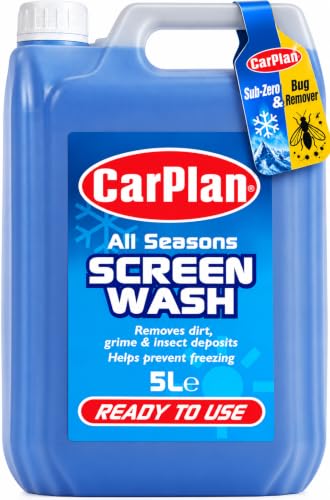
READY TO USE FORMULA: Pre-mixed 169 Fl Oz windshield washer fluid saves time and effort with no dilution needed; simply pour and go for instant cleaning performance.
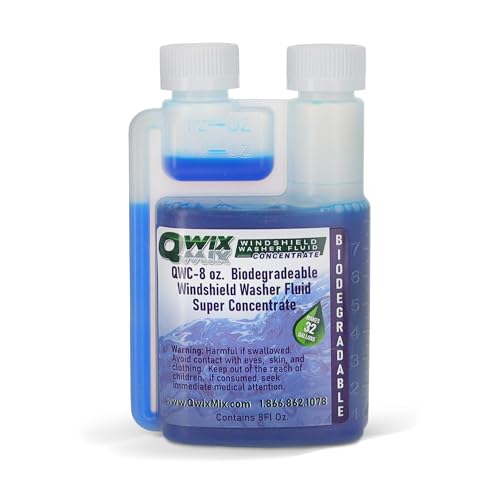
[Super Concentrated Savings] Qwix Mix windshield washer fluid concentrate makes up to 55 gallons of premium windshield washer fluid from one 8 oz bottle, saving money versus pre-mixed windshield washer fluids
Signs You Need to Replace Washer Fluid
Check your washer fluid regularly. Signs that you need to replace it include:
- Low Fluid Level: If the reservoir is almost empty, refill it.
- Poor Visibility: If the spray is weak or nonexistent, you need to add more fluid.
- Dirty Windshield: If dirt and grime persist after using the fluid, it’s time to change it.
- Strange Odors: If the washer fluid emits a strong chemical smell, dispose of it immediately.
Alternative Solutions for Cleaner Car Care
Choose eco-friendly cleaning methods. Consider these alternatives:
- Homemade Solutions: Mix water with vinegar or dish soap for a natural cleaning solution. This works well for routine maintenance.
- Recycled Products: Buy washer fluids made from recycled materials. This reduces waste and supports sustainability.
- Water-Based Fluids: Opt for water-based washer fluids, which are less harmful to the environment and avoid harsh chemicals.
Implementing these tips can enhance your vehicle’s care while ensuring safe disposal practices.
Conclusion
Taking the right steps to dispose of windshield washer fluid is crucial for both your vehicle and the environment. By being mindful of the chemicals involved and choosing eco-friendly alternatives when possible, you can make a positive impact. Remember to check local regulations and utilize designated disposal sites to keep your community safe.
Your efforts in responsible disposal not only protect the environment but also contribute to a healthier planet for everyone. So next time you need to replace that fluid, keep these tips in mind and do your part for a cleaner world.
Frequently Asked Questions
What is windshield washer fluid made of?
Windshield washer fluid typically contains a mixture of water, methanol, and ethylene glycol. These components help clean the windshield while preventing the fluid from freezing in colder temperatures.
What are the environmental risks of disposing of washer fluid improperly?
Improper disposal of windshield washer fluid can contaminate soil and waterways. Chemicals like methanol and ethylene glycol pose risks to ecosystems, harming wildlife and plants.
How should windshield washer fluid be disposed of?
Windshield washer fluid should be disposed of at designated hazardous waste sites or recycling centers. Many auto shops and service stations offer proper disposal services.
What are the signs that it’s time to replace windshield washer fluid?
Signs include a reduced cleaning ability, streaks on the windshield, or when the fluid tank is empty. If the fluid is cloudy or smells strongly of chemicals, consider replacing it.
Are there eco-friendly alternatives to traditional washer fluid?
Yes! You can create eco-friendly washer fluid using a mix of water, vinegar, and a few drops of dish soap. Some recycled products are also available in stores for environmentally conscious consumers.
