

Have you ever found yourself in a sticky situation with your windshield washer fluid? Maybe it’s frozen solid in the winter or you just want to switch to a different formula for better cleaning. Whatever the reason, knowing how to drain that fluid can save you time and hassle.
Key Takeaways
- Importance of Windshield Washer Fluid: Essential for maintaining visibility while driving by removing dirt and debris from the windshield.
- Types of Washer Fluids: Familiarize yourself with standard, winter, all-season, rain repellent, and plant-based washer fluids to choose the right one for your needs.
- Tools for Draining Fluid: Gather necessary tools such as a siphon pump, container, funnel, gloves, and rags for efficient draining and cleanliness.
- Step-by-Step Draining Process: Locate the reservoir, prepare your tools, extract the fluid using a siphon pump, and clean the reservoir thoroughly before refilling.
- Maintenance Tips: Regularly check fluid levels, adjust for seasonal changes, inspect nozzles for clogs, and replace worn components to ensure optimal system functionality.
- Quality Fluid Usage: Always use high-quality washer fluid to avoid freezing and damage to components, enhancing overall cleaning performance.
Understanding Windshield Washer Fluid
Windshield washer fluid plays a crucial role in maintaining visibility while driving. It helps remove dirt, grime, and debris from your windshield, ensuring clear sightlines. Knowledge of the different types of washer fluids and common issues can enhance your vehicle’s performance.
Types of Washer Fluids
- Standard Washer Fluid: This fluid typically contains water, detergent, and alcohol. It’s suitable for general cleaning and provides adequate performance in most conditions.
- Winter Washer Fluid: Formulated for cold climates, this fluid includes antifreeze agents. It prevents freezing and remains effective even in subzero temperatures.
- All-Season Washer Fluid: This versatile option combines the benefits of both standard and winter fluids. It works well in various weather conditions but may not perform as effectively in extreme cold.
- Rain Repellent Washer Fluid: This type often contains additives that help repel water. It improves visibility during rainy conditions, making it easier to see the road ahead.
- Plant-Based Washer Fluid: Eco-friendly options made from plant extracts are available. These fluids are biodegradable and safe for the environment.
- Freezing: In colder climates, standard washer fluid can freeze in the reservoir or lines. Using winter washer fluid prevents this issue.
- Clogged Nozzles: Dirt or debris can block the spray nozzles, reducing effectiveness. Regular cleaning of the nozzles can ensure a proper spray pattern.
- Streaks on Windshield: If the fluid leaves streaks, it may indicate contamination. Switching brands or using cleaner fluid can resolve this.
- Fluid Leakage: A leaking washer fluid reservoir can lead to low fluid levels. Inspecting the reservoir for cracks or damage might fix the issue.
- Unpleasant Odor: If the washer fluid emits a foul odor, it may have become contaminated. Changing the fluid can help eliminate any unpleasant smells.
Tools Required for Draining Washer Fluid
To efficiently drain washer fluid, gather the following tools:
- Siphon Pump
Siphon pumps make fluid removal quick and easy. Use them to transfer the fluid from the reservoir to a suitable container. - Container
Choose a container that holds at least one gallon, like an empty milk jug or a specialized fluid disposal container. Ensure it’s clean and free from contaminants. - Wrench or Socket Set
Use a wrench or a socket set to access the washer fluid reservoir. Identify the specific bolts or screws securing the reservoir in your vehicle. - Funnel
A funnel prevents spills while refilling the reservoir with new fluid. Select one with a wide mouth for easy pouring. - Gloves
Wear gloves to protect your hands from any leftover fluid. This keeps you clean and safe from skin irritations. - Rags or Paper Towels
Keep rags or paper towels handy for cleaning any spills or drips during the process. These are essential for maintaining a tidy workspace.
Equipping yourself with these tools ensures a smooth and hassle-free draining process.
Recommended Products

【HIGH EFFICIENCY】--TRUPOW Drill Pump Kits moves up to 750 gallons per hour(depending on the speed of your drill bit); No power required ensure your safety use for quiet and quick-on-site water&oil

ENGINE CLEANING GUN FOR TOUGH GRIME: Pneumatic cleaning gun uses a high-speed syphon spray action to help blast away dirt, grease, and oil from engine bays and machinery; combines air blow gun control with solvent sprayer reach for faster detailing.

【HIGH EFFICIENCY】--TRUPOW Drill Pump Kits moves up to 750 gallons per hour(depending on the speed of your drill bit); No power required ensure your safety use for quiet and quick-on-site water&oil
Step-by-Step Guide on How to Drain Windshield Washer Fluid
Draining windshield washer fluid is essential for seasonal changes and maintenance. Follow these simple steps for a smooth process.
Recommended Products

Replacement Part Number: 76806-SZA-A12; 76806SZAA12
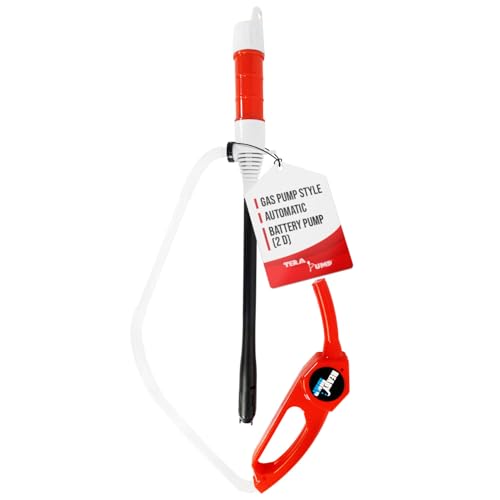
TRANSFER RATES: Transfers up to 1.8 Gallons per Minute or 7 Liters per Minute with Ready Pump Nozzle (Gas Pump Style Nozzle) - Replacement motor cap & battery cover (Sold Separately) - Built-in hook for easy storage in the garage or shop

[ FLOW CAPACITY ] Moves a maximum of 5.5 Gallons per Minute using Manual Piston Action - Flexible 47.2-inch Discharge Hose with corrugated design and an integrated nozzle holder - Twist the Air Vent Cap clockwise to generate a siphon vacuum or turn it counterclockwise to halt or reduce the flow
Locate the Washer Fluid Reservoir
Locate the washer fluid reservoir under the hood of your vehicle. It’s usually a white or translucent container marked with a windshield icon. Check your owner’s manual if you’re unsure.
Preparing for Drainage
Gather your tools: a siphon pump, a clean container, a funnel, and gloves. Ensure the vehicle is parked on a level surface. Wear gloves to protect your hands from any residue.
Draining the Fluid
Use the siphon pump to extract the fluid. Insert the siphon hose into the reservoir and pump until the fluid flows into your container. Ensure you capture all the fluid to avoid spills. If the reservoir has a drain plug, open it and let the fluid drain directly into the container.
Cleaning the Reservoir
After draining, clean the reservoir with a mixture of water and mild soap. Use a rag or paper towel to wipe the interior surfaces. Rinse thoroughly to remove any soap residue. This step prevents clogs and ensures optimal fluid performance for the next fill.
Tips for Maintaining Your Windshield Washer System
Recommended Products

HIGH QUALITY MATERIAL: The windshield washer hose kit is made of high quality rubber, soft and elastic, strong and durable.

[Universal Fit & Complete Kit]: This windshield washer hose kit includes a 3-meter (9.84ft) high-quality hose and 12 essential connectors. It is engineered to replace aging or damaged lines, restoring smooth water spray to your windshield for clear visibility.

EASY INSTALLATION & REPLACEMENT: Replace damaged windshield washer hoses anytime — even traveling or in emergencies; connect the water pump and windshield nozzle easily to restore smooth water spray, no special tools needed
Regular Checks
Check your windshield washer fluid level monthly. Keeping the reservoir full prevents interruptions during driving. Ensure the fluid is clear and free from debris.
Seasonal Adjustments
Use fluid suitable for the season. In winter, opt for a washer fluid with antifreeze properties to prevent freezing. For summer months, use a formula that removes bugs and dirt effectively.
Inspect Nozzles
Inspect the nozzles regularly for clogs. Clean them with a pin or needle if they become blocked. Properly functioning nozzles ensure a clear spray across your windshield.
Replace Worn Components
Replace worn wiper blades to improve system performance. Blades should be changed every six months or as soon as you notice streaks or skips.
Clean the Reservoir
Clean the washer fluid reservoir annually to avoid contamination. Remove any buildup using soap and water, ensuring all residues rinse out. This extends the life of your system.
Use Quality Fluid
Use quality washer fluid to enhance cleaning effectiveness. Avoid using plain water as it may freeze and damage components. Choose a fluid designed for your climate conditions.
Monitor for Leaks
Inspect for leaks in the hoses or reservoir. Look for wet spots or drips under your vehicle after using the washer. Promptly address any leaks to maintain optimal system function.
Test the System
Periodically test your washer system to ensure it’s operational. Activate the sprayer and check for even distribution. Fix any issues immediately to maintain visibility.
By following these tips, you enhance the effectiveness of your windshield washer system and ensure a safer driving experience.
Conclusion
Keeping your windshield washer system in top shape is essential for safe driving. By regularly draining and maintaining the washer fluid you ensure clear visibility in all conditions. Don’t forget to check your fluid levels and clean your nozzles to prevent any unexpected surprises.
With a little effort you can enjoy a hassle-free driving experience and stay safe on the road. So take a moment to care for your windshield washer system and drive with confidence knowing you’re prepared for whatever the road throws your way.
Frequently Asked Questions
Why is windshield washer fluid important?
Windshield washer fluid is crucial for maintaining clear visibility while driving. It helps remove dirt, grime, and other debris from the windshield, ensuring you can see the road clearly. Proper maintenance of this fluid enhances driving safety.
How can I prevent windshield washer fluid from freezing?
To prevent freezing, use a washer fluid that is specifically formulated for cold weather. Look for products that contain antifreeze agents. Store your vehicle in a garage during extreme temperatures if possible.
How often should I check my windshield washer fluid?
You should check your windshield washer fluid at least once a month, or more frequently during winter or summer months. Regular checks will help ensure you always have sufficient fluid for safe driving.
What are the signs of a clogged windshield washer system?
Signs of a clogged system include weak or no spray from the nozzles and fluid leaking instead of spraying. If you notice these issues, check and clean the nozzles and reservoir.
How do I clean the windshield washer reservoir?
To clean the reservoir, first drain the old fluid. Then use a mixture of warm water and mild soap to scrub the inside. Rinse thoroughly with clean water before refilling with fresh washer fluid.
When should I replace my wiper blades?
Wiper blades should be replaced every 6-12 months or whenever you notice streaking or chattering on the windshield. Regularly inspecting your blades can help maintain effective visibility.
What type of washer fluid should I use?
Use a washer fluid that is suitable for your climate. In colder weather, choose a fluid with antifreeze properties; for warmer months, a standard fluid should suffice. Always look for high-quality options to ensure effectiveness.
How can I test my windshield washer system?
To test the system, activate the washer spray while observing the fluid spray pattern. Ensure the nozzles are functioning well and that the fluid reaches the windshield. If not, troubleshoot for clogs or leaks.
