

Have you ever wondered what to do with that leftover washer fluid sitting in your garage? You’re not alone. Many people face the dilemma of disposing of it safely and responsibly. It’s easy to overlook this task, but improper disposal can harm the environment and even violate local regulations.
Key Takeaways
- Understand Washer Fluid: Recognize that washer fluid contains water, methanol, surfactants, and dyes, all of which require careful disposal to protect the environment.
- Risks of Improper Disposal: Improperly disposing of washer fluid can contaminate water sources and harm wildlife, emphasizing the need for responsible disposal practices.
- Follow Local Guidelines: Always check local regulations regarding the disposal of washer fluid, as it is often classified as hazardous waste and may require special handling.
- Safe Disposal Methods: Use recycling centers or hazardous waste facilities for disposal and store leftover fluid safely until you can dispose of it correctly.
- Eco-Friendly Alternatives: Consider DIY solutions such as water and vinegar or commercial eco-friendly products to clean your windshield without harmful chemicals.
Understanding Washer Fluid
Washer fluid helps keep your vehicle’s windshield clean and clear. Knowing what it contains and its properties can help you make informed decisions about disposal.
Recommended Products

Minimum Purity Spec: 99. 65%, typical Purity: 99. 99%

Removes and repels the toughest road grime

SUPER CONCENTRATED WASHER FLUID: 16 fl oz washer fluid bottle makes 165 gallons of summer blend washer fluid. Just pump three times per gallon of water, directly into your windshield washer fluid tank.
What Is Washer Fluid?
Washer fluid is a specialized liquid designed to clean your vehicle’s windows. It’s primarily used in the windshield wiper system and helps remove dirt, grime, and other debris. When you activate your wipers, the fluid sprays onto the windshield, ensuring better visibility.
Common Ingredients in Washer Fluid
Washer fluid contains several key ingredients, which vary by manufacturer:
- Water: Acts as the primary solvent in washer fluid.
- Methanol: A type of alcohol that prevents the fluid from freezing in cold temperatures.
- Surfactants: Help break down and lift dirt and grime from the glass.
- Dyes: Used to give the fluid its characteristic color, making it easier to see.
- Fragrance: Some formulas include scent to mask chemical odors.
Understanding these ingredients is crucial. Proper disposal ensures safety for you and your environment.
Environmental Impact of Improper Disposal
Improper disposal of washer fluid poses significant risks to the environment. Understanding these risks is crucial for making informed choices regarding disposal.
Risks to Water Sources
Washer fluid often contains methanol and other chemicals harmful to water supplies. When disposed of down the drain or in the trash, these substances can leach into the soil or enter water systems. For example, contaminated groundwater can lead to unsafe drinking water. It’s vital to follow local regulations regarding disposal to protect water quality.
Effects on Wildlife
Chemicals in washer fluid can threaten wildlife. Birds, aquatic life, and other animals may ingest contaminated water or plants, leading to severe health issues. For instance, methanol ingestion can cause neurological damage in animals. Responsible disposal methods help safeguard ecosystems and preserve biodiversity. Always take washer fluid to a recycling or hazardous waste facility to minimize harm.
Guidelines for Safe Disposal
Disposing of washer fluid properly protects the environment and complies with local laws. Follow the guidelines below for safe disposal.
Recommended Products

EASY FLUID COLLECTION: Concave top surface with center drain allows for easy collection of used eye wash flushing fluid EASY PORTABILITY: Dual wheels and a molded handle...
Local Regulations and Guidelines
Check your local regulations regarding washer fluid disposal. Many areas classify it as hazardous waste due to harmful chemicals. Contact your local waste management facility for specific guidelines and any designated drop-off sites. They often provide resources for recycling fluids safely. If your community has a household hazardous waste (HHW) program, utilize these services for correct disposal options.
Recommended Disposal Methods
Consider these practical disposal methods:
- Use Recycling Centers: Many recycling facilities accept automotive fluids. Locate a center near you that processes washer fluid properly.
- Transfer to Hazardous Waste Facilities: Schedule a visit to a hazardous waste facility, where trained personnel handle and dispose of hazardous materials safely. Make sure to call ahead for hours and any relevant fees.
- Store Until Proper Disposal: If you can’t dispose of it immediately, store leftover washer fluid in a sealed, clearly labeled container. Keep it in a cool, dry place away from children and pets until you can drop it off at a designated facility.
- Follow Package Instructions: If the product label provides disposal instructions, follow those guidelines for safe disposal.
By adhering to these methods, you can minimize environmental impact and ensure compliance with local laws.
Alternatives to Traditional Washer Fluid
You can find several alternatives to traditional washer fluid that are more eco-friendly and easy to create. Explore these options to maintain your windshield without harming the environment.
Recommended Products

Safer, Plant-Derived Ethanol Formula: Renewable, plant-based alternative to petroleum & methanol. Safer for families & pets
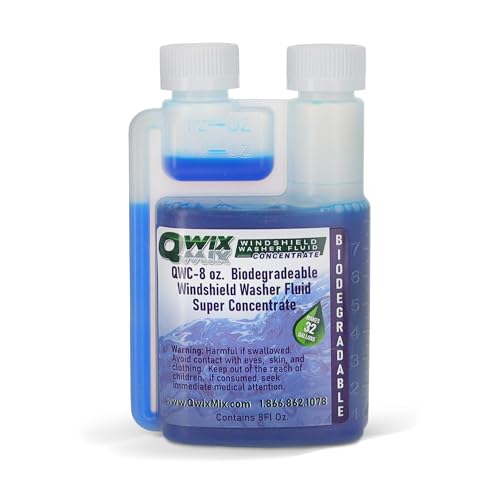
[Super Concentrated Savings] Qwix Mix windshield washer fluid concentrate makes up to 55 gallons of premium windshield washer fluid from one 8 oz bottle, saving money versus pre-mixed windshield washer fluids

Easy to Add: Pour directly into the windshield washer fluid reservoir
Eco-Friendly Washer Fluid Options
- Water and Vinegar Solution: Mix three parts water with one part white vinegar. This solution effectively cuts through grime and leaves your windshield streak-free.
- Water and Dish Soap: Combine a few drops of mild dish soap with water. This quick solution lifts dirt and debris without using harsh chemicals.
- Commercial Eco-Friendly Products: Look for washer fluids specifically marked as eco-friendly. These products contain natural ingredients and are designed to minimize environmental impact.
- Basic DIY Formula: Mix one cup of vinegar, one cup of rubbing alcohol, and two cups of water in a spray bottle. Shake well before use. This formula provides excellent cleaning power while being gentle on surfaces.
- Citrus Cleaner: Combine two cups of water with the juice from one lemon. The natural acidity of lemon cuts through oils while leaving a pleasant scent.
- Essential Oils Blend: Add a few drops of essential oils, such as lemon or tea tree, to any DIY mix. These oils not only enhance fragrance but also offer antibacterial properties.
By choosing these alternatives, you can effectively clean your windshield while promoting a healthier planet.
Conclusion
Disposing of washer fluid doesn’t have to be a hassle. By following the right steps you can protect the environment while keeping your vehicle in top shape. Remember to check local regulations and use designated disposal methods to ensure you’re doing your part.
If you’re looking for a greener alternative consider trying eco-friendly solutions that are just as effective. Making small changes can lead to a big impact on our planet. So next time you’re ready to refill or dispose of washer fluid think about the choices you make. Your car and the environment will thank you.
Frequently Asked Questions
Why is it important to dispose of leftover washer fluid responsibly?
Proper disposal of washer fluid is crucial to protect the environment and ensure compliance with local regulations. Harmful chemicals in washer fluids, like methanol, can contaminate water sources and harm wildlife if not disposed of correctly.
What are the main ingredients in washer fluid?
Washer fluids typically contain water, methanol, and other surfactants. Methanol helps to prevent freezing and aids in cleaning, while surfactants help remove dirt and grime from windshields.
What are the risks of improper washer fluid disposal?
Improper disposal can lead to contamination of soil and water sources, posing health risks to wildlife and humans. The chemicals in washer fluid can also disrupt local ecosystems, causing lasting damage.
How can I dispose of leftover washer fluid safely?
Check local regulations for disposal guidelines, utilize recycling centers or hazardous waste facilities, and ensure the fluid is stored properly before disposal. Always follow the instructions provided on the package.
Are there eco-friendly alternatives to traditional washer fluid?
Yes, some eco-friendly alternatives include a mixture of water and vinegar, a combination of water and dish soap, and commercial eco-friendly washer fluids. These options effectively clean windshields while being safer for the environment.
Can I make my own windshield washer fluid?
Absolutely! A simple DIY formula involves mixing equal parts of water and vinegar or adding a few drops of dish soap to water. This homemade solution can effectively clean your windshield without harmful chemicals.
What are some benefits of using eco-friendly washer fluid?
Eco-friendly washer fluids reduce environmental harm, are often less toxic, and can be made from natural ingredients. Using these alternatives helps promote a healthier planet while still maintaining windshield clarity.
