

Ever found yourself in the middle of a road trip with a dirty windshield and no washer fluid? It’s frustrating when you can’t see clearly, especially when the weather takes a turn. Instead of rushing to the store, why not whip up your own windshield washer fluid at home?
Key Takeaways
- Homemade Windshield Washer Fluid: You can easily create your own washer fluid using common household ingredients like distilled water, isopropyl alcohol, and liquid dish soap.
- Cost-Effective Solution: Making windshield washer fluid at home is not only economical but also customizable to align with your local climate and personal preferences.
- Key Ingredients: Essential components include water, alcohol (for freezing protection), surfactants (like dish soap), and optional additives like vinegar or essential oils for enhanced cleaning power and pleasant scent.
- Storage Tips: Properly store homemade fluid in a cool, shaded area in airtight containers to prevent degradation and contamination.
- Maintenance Recommendations: Regularly check wiper conditions and fluid quality to avoid issues like streaking; use the fluid frequently for optimal visibility.
- Dilution Adjustments: Tailor the water to alcohol ratio based on seasonal temperature conditions to ensure effective performance in winter and summer.
Understanding Windshield Washer Fluid
Windshield washer fluid keeps your windshield clear of dirt, grime, and debris. It’s crucial for safe driving, especially during adverse weather conditions. You’ll find commercial washer fluids often contain essential ingredients to tackle various contaminants effectively.
Common Ingredients
- Water: Acts as a solvent, diluting other ingredients.
- Surfactants: Break down dirt and grime, enhancing cleaning efficiency.
- Alcohol: Prevents freezing; helps remove stubborn residue.
- Dyes: Improve visibility, ensuring you can see the fluid level easily.
Benefits of Homemade Washer Fluid
- Cost-Effective: Making your own saves money compared to store-bought options.
- Customizable: Adjust the ingredients based on your region’s climate or personal preferences.
- Environmentally Friendly: You control what goes into your mixture, minimizing harmful chemicals.
When to Use Washer Fluid
- Daily Commutes: Clean windshields improve visibility and driving safety.
- Road Trips: Long drives often expose windshields to bugs and dirt.
- Seasonal Changes: Use it more in spring and summer for pollen and dust; in winter, for snow and ice.
- Cool Area: Store the fluid in a shaded place to avoid heat exposure, which can degrade the ingredients.
- Sealed Containers: Use airtight bottles to prevent contamination and evaporation.
Making your own washer fluid proves simple and effective, ensuring you stay safe and ready no matter the conditions on the road.
Ingredients Needed
Making your own windshield washer fluid involves a few simple ingredients. These components ensure effective cleaning and clear visibility.
Recommended Products

Removes and repels the toughest road grime

SUPER CONCENTRATED WASHER FLUID: 16 fl oz washer fluid bottle makes 165 gallons of summer blend washer fluid. Just pump three times per gallon of water, directly into your windshield washer fluid tank.

EFFORTLESS CLEANING: Enjoy hassle-free maintenance with ABRO's pre-mixed windshield wiper fluid formula, saving you time and effort in preparing the solution for streak-free clarity.
Essential Components
- Water: Use distilled or filtered water to prevent mineral buildup in the system.
- Alcohol: Isopropyl alcohol or windshield washer concentrate provides freezing protection and enhances cleaning.
- Surfactants: Liquid dish soap works effectively for breaking down grime and dirt on the windshield.
- Vinegar: Adding vinegar can enhance cleaning power and help combat streaks.
- Essential Oils: A few drops of essential oils can provide a pleasant scent.
- Food Coloring: Use food coloring sparingly for aesthetic purposes, ensuring no harm to automotive systems.
Step-By-Step Instructions
Creating your own windshield washer fluid is straightforward and requires only a few simple steps. Follow these instructions to ensure clear visibility while driving.
Recommended Products

This item can no be shipped to the state in California, Техаs, Arizona please check with the manufacturer regarding warranty and support issues.

Safer, Plant-Derived Ethanol Formula: Renewable, plant-based alternative to petroleum & methanol. Safer for families & pets
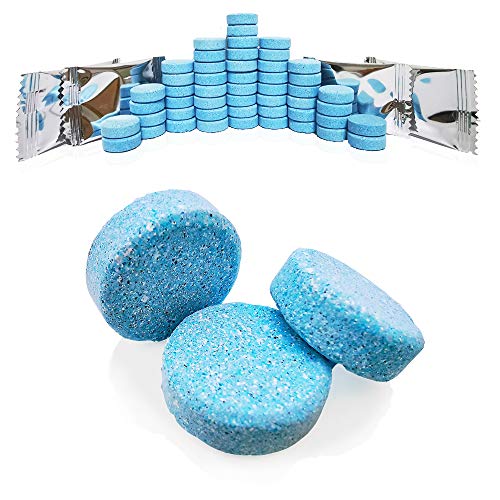
【Portable & Cost-Effective】Our windshield washer tablets are compact (16mm*2mm) and portable, making them easy to store and carry. Each tablet equals 1 gallon of washing liquid, offering significant savings compared to traditional fluids. Perfect for car windshield wiper fluid needs, these tablets are ideal for drivers looking for a convenient and economical solution.
Mixing the Ingredients
- Gather Your Materials: Collect distilled or filtered water, isopropyl alcohol, liquid dish soap, and optional vinegar, essential oils, or food coloring.
- Measure the Water: Pour 3 cups of distilled or filtered water into a large mixing container. This reduces mineral buildup in your vehicle’s system.
- Add Alcohol: Stir in 1 cup of isopropyl alcohol. This ingredient prevents freezing and enhances cleaning.
- Incorporate Dish Soap: Mix in 2 tablespoons of liquid dish soap. This helps remove grime and dirt effectively.
- Optional Enhancements: If desired, add 1 tablespoon of vinegar to boost cleaning power and prevent streaks. You may also add a few drops of essential oil for fragrance and a few drops of food coloring for aesthetic appeal.
- Combine Well: Stir the mixture thoroughly until all ingredients are well blended.
- Choose a Proper Container: Use a clean, empty windshield washer fluid container or a sturdy plastic bottle with a tight seal.
- Transfer the Mixture: Pour the mixed washer fluid into the container, leaving a little space at the top to allow for expansion.
- Label the Container: Clearly label the container “Windshield Washer Fluid” to avoid confusion with other liquids.
- Store in a Cool, Dry Place: Keep the filled container away from direct sunlight and extreme temperatures. A garage or a shaded area works best.
- Check Periodically: Before use, check the fluid for separation or changes in color. If any issues arise, dispose of it and create a fresh batch.
By following these straightforward steps, you’ll have effective homemade windshield washer fluid ready for use anytime road conditions warrant clear visibility.
Tips for Effective Use
- Choose the Right Dilution: Adjust the ratio of distilled water to isopropyl alcohol based on your climate. For freezing temperatures, use a higher concentration of alcohol, such as 2:1 (water to alcohol).
- Test Before Full Use: If using essential oils or vinegar for scent, test a small amount on your windshield first. This ensures no residue remains that could interfere with visibility.
- Store Properly: Keep your homemade washer fluid in a dark, cool place. Avoid direct sunlight to preserve its effectiveness. Consider using a labeled, refillable container for easy identification.
- Check for Quality: Periodically inspect the washer fluid for separation or cloudiness. If it shows these signs, discard it and make a fresh batch.
- Keep Hydrated Windshield Wipers: Regularly check your windshield wipers for wear. Clean blades with a soft cloth and washer fluid to prevent streaking.
- Use Frequently: For optimal results, use your washer fluid regularly, especially during bug season or after rainstorms. This maintains clear visibility and prolongs wiper blade life.
- Don’t Overuse: Avoid excessive use of washer fluid. This can lead to streaks or smearing, particularly if the fluid isn’t working effectively on heavy debris.
- Consider Water Quality: If you live in an area with hard water, using distilled water prevents mineral buildup that can clog the system.
By implementing these tips, you can maximize the effectiveness of your homemade windshield washer fluid, enhancing your driving safety and visibility.
Recommended Products

Peace of Mind: Get complete 2-in-1 protection with a Winter De-Icer and Summer Bug Wash that can tackle any condition.

Crystal Clear Streak-Free Vision: Advanced windshield cleaner delivers spot-free clarity with every spray-professional-grade performance without streaks or smears

32°F+ Summer Blend: Ideal for warm-weather driving conditions while maintaining optimal cleaning power
Conclusion
Making your own windshield washer fluid is a smart and practical choice. You’ll save money while ensuring your windshield stays clean and clear. Plus you can customize it to fit your needs and preferences.
Remember to store your fluid properly and check its quality regularly. With a little effort you can enjoy safe driving with a spotless windshield. So grab those ingredients and get started on your DIY washer fluid adventure. Your car will thank you!
Frequently Asked Questions
What are the benefits of homemade windshield washer fluid?
Homemade windshield washer fluid is cost-effective, customizable, and environmentally friendly. It allows you to choose ingredients that suit your needs while avoiding harsh chemicals commonly found in commercial options.
What ingredients do I need to make homemade washer fluid?
To create homemade washer fluid, you typically need distilled water, isopropyl alcohol, and dish soap. Optional ingredients include vinegar, essential oils for fragrance, or food coloring for added aesthetics.
How do I store homemade washer fluid?
Store your homemade washer fluid in a cool, dry place, using a labeled container. It’s important to check the fluid periodically for quality and replace it if it appears contaminated.
How can I improve the effectiveness of my washer fluid?
To enhance the effectiveness of your washer fluid, consider adjusting the dilution based on your climate. Regularly check for residue, keep windshield wipers hydrated, and use the fluid frequently to maintain visibility.
Can I use homemade washer fluid in winter?
Yes, you can use homemade washer fluid in winter. Just ensure the blend contains enough isopropyl alcohol to prevent freezing. Adjust the ingredients according to your local weather conditions to optimize performance.
Is it safe to add essential oils to washer fluid?
Yes, adding essential oils can enhance fragrance, but use them sparingly. Test for residue on your windshield to ensure they don’t leave a film that affects visibility.
