

Have you ever found yourself running low on windshield washer fluid while driving? It’s a frustrating situation, especially when you need a clear view to stay safe on the road. You might wonder if you can just fill the reservoir with water to get by until you can refill it properly.
In this article, we’ll explore whether using water in your car’s washer fluid is a good idea. You’ll learn the pros and cons, and we’ll share tips on how to keep your windshield clean without damaging your vehicle. By the end, you’ll know exactly what to do next time you’re in a pinch.
Key Takeaways
- Emergency Solution: Water can be used temporarily in your car’s washer fluid reservoir during emergencies, but it is not an ideal long-term solution.
- Limited Effectiveness: Water lacks the detergents and antifreeze agents found in specially formulated washer fluids, which diminishes its cleaning power and can lead to streaking.
- Seasonal Considerations: In cold weather, water can freeze in the reservoir, causing potential damage to the vehicle. Always choose washer fluids suited for the weather conditions.
- DIY Alternatives: You can create effective DIY washer fluid using distilled water, dish soap, and vinegar as alternatives when commercial fluids are unavailable.
- Regular Maintenance: Consistently check and refill your washer fluid level to ensure optimal performance and visibility while driving, especially before long trips.
Overview of Car Washer Fluid
Car washer fluid serves an essential purpose for your vehicle’s maintenance. It helps ensure a clear windshield, improving visibility while driving. Most washer fluids contain a mixture of distilled water, detergents, solvents, and antifreeze agents. This blend works effectively to remove dirt, grime, and other obstructions from the glass.
Types of Car Washer Fluid
- Standard Washer Fluid: Contains water, detergents, and solvents, effective against dirt and light debris.
- Antifreeze Washer Fluid: Includes antifreeze agents, preventing freezing in cold temperatures.
- Bug Remover Fluid: Formulated to tackle tough bugs and road grime.
- Waterless Fluid: Designed for use without the need for rinsing, ideal in areas with water restrictions.
Pros and Cons of Using Water
Pros:
- Using water temporarily fills the reservoir in emergencies.
- Water is readily available and cost-free.
- Water lacks the cleaning agents found in washer fluids.
- Using only water may freeze in cold climates, causing potential damage.
- It may lead to streaking, impacting visibility.
- Always keep a spare bottle of washer fluid in your car for emergencies.
- If you decide to use water temporarily, dilute it with some washer fluid when possible to improve cleaning efficiency.
- Regularly check your washer fluid levels and refill as necessary to avoid running low while on the road.
Importance of Proper Washer Fluid
Using the right washer fluid is essential for the optimal performance of your vehicle’s windshield cleaning system. Proper washer fluid enhances visibility and ensures the safety of you and others on the road.
Recommended Products

EXTREME COLD PROTECTION: Formulated to provide reliable -20°F freeze protection, keeping your windshield washer system functioning in harsh winter conditions

advanced Water beading technology leaves no streaks and is glare free

Trusted Formula for Over 30 Years: Kristall Klar has been the choice for those who want a crystal clear view of the road ahead without the streaks and smears typical of standard washer fluids
Performance Considerations
Choosing the right washer fluid impacts the cleaning efficiency of your windshield. Windshield washer fluids contain detergents that break down grease, dirt, and grime effectively. Water alone lacks these properties and may leave streaks or residue on the glass. For optimal performance, always use washer fluid specifically designed for automotive purposes. If you’re in a pinch, consider diluting washer fluid with a small amount of water to avoid compromising performance.
Weather Impact
Weather conditions significantly affect the necessity of specific washer fluids. In winter, extreme temperatures can freeze water in the reservoir, potentially damaging the pump and lines. In snowy or icy conditions, a winter-specific washer fluid with antifreeze properties is crucial. Conversely, summer months may require a fluid with enhanced cleaning agents to tackle bugs and road grime. Always check the manufacturer’s guidelines to select the appropriate washer fluid for best results across different weather scenarios.
Can You Put Water in Car Washer Fluid?
You can use water in your car’s washer fluid reservoir in a pinch, but it isn’t always the best idea. Understanding when and how to use water versus proper washer fluid can help you maintain clear visibility while driving.
Recommended Products

SUPER CONCENTRATED WASHER FLUID: 16 fl oz washer fluid bottle makes 165 gallons of summer blend washer fluid. Just pump three times per gallon of water, directly into your windshield washer fluid tank.
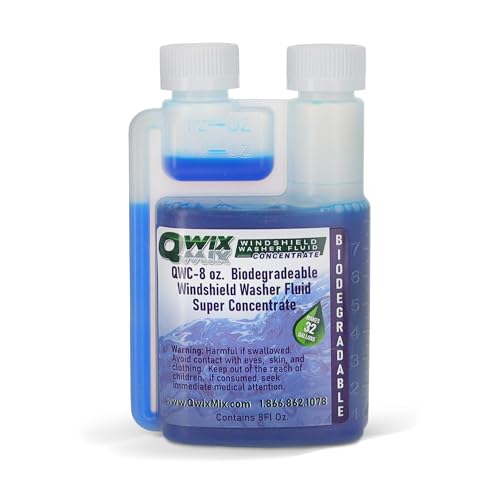
[Super Concentrated Savings] Qwix Mix windshield washer fluid concentrate makes up to 55 gallons of premium windshield washer fluid from one 8 oz bottle, saving money versus pre-mixed windshield washer fluids

Windshield washer: 1 piece of concentrated cleaning tablet is equivalent to 1.05 gallon of glass cleaning fluid, with strong cleaning power, can easily clean the dust and stains on your windshield, make the windshield clean, and ensure the driving safety of the car
Situations Where Water Might Be Used
- Emergency Situations: If you find yourself low on washer fluid during a long drive, using water can offer a temporary solution to clear your windshield.
- Mild Conditions: In mild weather without heavy grime or bug residue, water can remove light dirt and dust.
- Short Distances: When traveling short distances, water might suffice to keep the windshield clean until you can top up with proper washer fluid.
- Ineffective Cleaning: Water lacks the necessary detergents and solvents found in washer fluids, which can limit its cleaning power.
- Freezing Issues: In cold weather, water can freeze in the reservoir and on the windshield, leading to further visibility issues.
- Potential Damage: Using only water can lead to streaks or residue buildup, ultimately impairing visibility and requiring more frequent cleaning.
- No Windshield Protection: Washer fluids often contain additives that protect against smearing and enhance visibility. Water doesn’t provide these benefits.
Choosing the right solution for your washer fluid can significantly impact your driving experience. Prioritize proper washer fluid for optimal performance but keep water handy for emergencies when necessary.
Alternatives to Car Washer Fluid
When you run out of commercial washer fluid, several alternatives exist that can help maintain your visibility. Here are some options:
Recommended Products

Add to existing washer fluid

Peace of Mind: Get complete 2-in-1 protection with a Winter De-Icer and Summer Bug Wash that can tackle any condition.

32°F+ Summer Blend: Ideal for warm-weather driving conditions while maintaining optimal cleaning power
Commercial Washer Fluids
Commercial washer fluids provide excellent results. They’re formulated with specific ingredients for optimal cleaning and protection. You can find them in various types suited for different weather conditions, such as winter blends that resist freezing. Here are some well-known brands you might consider:
- Rain-X: This brand offers a variety of washer fluids that improve visibility and repel water.
- Prestone: Known for its strong cleaning power, it also protects against freezing.
- Peak: This fluid contains agents to enhance cleaning efficiency and prevent streaks.
Always check the label to ensure the product matches your climate needs.
DIY Washer Fluid Solutions
If you prefer a homemade option, you can easily create a DIY washer fluid. Here’s a simple recipe that works well:
- Water: Use distilled or tap water as your base.
- Dish Soap: Add a few drops for cleaning power. Ensure it’s free of harsh chemicals.
- Vinegar: Mix in a cup of vinegar for additional cleaning and anti-fogging properties.
Combine these ingredients in a clean container, and fill your washer fluid reservoir with the mixture. This solution works effectively for light cleaning but may not be suitable for extreme conditions.
Using these alternatives can help you maintain a clear windshield in a pinch. Choose wisely based on your needs and conditions.
Conclusion
Using water in your windshield washer fluid can be a quick fix when you’re in a pinch but it’s not a long-term solution. While it may help clear your windshield temporarily it lacks the cleaning power and protective properties of dedicated washer fluid.
Consider your driving conditions and the importance of visibility when choosing the right fluid. Whether you opt for a commercial brand or a DIY mix make sure it meets your needs. Regularly checking your washer fluid levels can save you from unexpected situations and keep your journeys safe. Stay prepared and drive with confidence!
Frequently Asked Questions
Can I use water in my windshield washer fluid reservoir?
You can use water temporarily, but it’s not ideal. Water may not clean effectively and can freeze in colder temperatures, leading to potential damage to your washer system.
What are the benefits of using proper windshield washer fluid?
Proper washer fluid improves cleaning effectiveness, prevents freezing, and protects your windshield from streaks. It is specifically formulated to handle dirt, bugs, and road grime better than water.
What are some recommended brands of windshield washer fluid?
Popular brands include Rain-X, Prestone, and Peak. Each brand offers specific formulations tailored for different weather conditions and cleaning needs.
How can I make my own windshield washer fluid?
You can create a simple DIY washer fluid by mixing one gallon of water with two tablespoons of dish soap and one cup of vinegar. This solution can be effective in emergencies.
How often should I check my windshield washer fluid level?
It’s a good practice to check your washer fluid level regularly, at least once a month or before long trips, to ensure you have enough fluid for clear visibility on the road.
