

Have you ever found yourself running low on windshield washer fluid and wondered if you could just grab that bottle of Windex sitting under your sink? You’re not alone. Many people face this dilemma, especially during those unexpected road trips or sudden rainstorms when clarity is crucial.
Using household cleaners in your car’s washer system might seem like a quick fix, but it can lead to more problems than solutions. This article will help you understand whether Windex is a safe alternative and what potential risks you could encounter. By the end, you’ll know how to keep your windshield clean without compromising your vehicle’s performance.
Key Takeaways
- Windex vs. Car Washer Fluid: While Windex may seem like a convenient substitute for washer fluid, it can damage vehicle components and lead to poor cleaning performance.
- Component Awareness: Key ingredients in Windex, such as ammonia and surfactants, can harm rubber and plastic parts in the washer system and leave residues.
- Environmental Considerations: Choosing eco-friendly washer fluids or DIY solutions can reduce environmental impact and maintain your vehicle’s appearance and functionality.
- Alternative Options: Store-bought or homemade washer fluids, such as a vinegar-water mixture, provide safe cleaning alternatives without the risks of household cleaners like Windex.
- Vehicle Compatibility: Always select washer fluids designed for automotive use to ensure compatibility and effectiveness, considering the climate and specific vehicle needs.
Overview of Car Washer Fluids
Car washer fluids are essential for maintaining clear visibility while driving. These fluids clean the windshield, remove dirt, grime, and bugs, and prevent streaking. They typically contain a mixture of water, alcohol, and detergents.
Types of Car Washer Fluids
- Summer Washer Fluids: These fluids often include solvents to tackle light dirt. They work best in warm weather and are less effective in freezing conditions.
- Winter Washer Fluids: These products contain antifreeze to prevent freezing in colder climates. They generally include higher alcohol content for better performance in low temperatures.
- All-Season Washer Fluids: These are versatile, designed for year-round use. They balance cleaning power and freeze resistance for varied weather conditions.
Ingredients in Car Washer Fluids
- Water: Primary solvent in most washer fluids, helping to dilute other ingredients.
- Alcohol: Helps lower the freezing point and enhances cleaning capabilities.
- Detergents: Emulsify dirt particles, making it easier to remove them from the glass.
Considerations When Choosing Washer Fluid
- Climate: Select a fluid suited to your local weather conditions.
- Vehicle Compatibility: Ensure the washer fluid is safe for your vehicle’s surfaces.
- Environmental Impact: Look for eco-friendly formulas that minimize environmental harm.
Alternatives to Commercial Washer Fluids
While some consider using household products like Windex, these may not suit car windows. Household cleaners can cause damage to paint and rubber seals over time. Consider using water mixed with a small amount of dish soap as a safer alternative when professional washer fluids aren’t available.
Choosing the right washer fluid enhances safety and visibility, ensuring your driving experience remains clear and enjoyable.
Windex and Its Ingredients
Windex contains several key ingredients that serve specific purposes, making it effective for household cleaning. Understanding these components helps evaluate its suitability for use in car washer fluid.
Recommended Products

Windshield Washer Fluid Concentrate – This windshield washer fluid concentrate is specially designed for automotive glass, effectively removes stains and refreshes your car for a brand-new look.
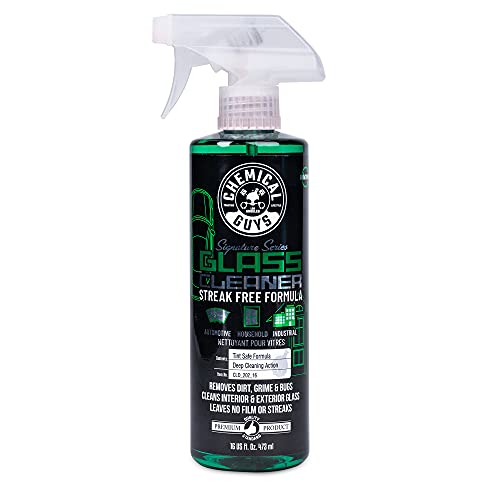
Streak-Free Formula (CLD_202_16SW) - Advanced ammonia-free and streak free glass cleaner that delivers crystal clear clarity without streaks, safe for tinted glass, windows, and mirrors inside or out

Safer, Plant-Derived Ethanol Formula: Renewable, plant-based alternative to petroleum & methanol. Safer for families & pets
Main Components of Windex
- Ammonia: This ingredient enhances cleaning power by breaking down grime and dirt. It’s effective on glass surfaces but can be harsh on some car finishes.
- Surfactants: These substances lift dirt away from surfaces. Surfactants are crucial for effective cleaning but can alter the properties of washer fluids.
- Coloring Agents: Windex includes dyes to give it a blue color. While visually appealing, these agents offer no cleaning benefit and could stain.
- Fragrance: Fragrance improves the user experience but may not be suitable for long-term exposure to car surfaces.
Potential Effects on Washer Systems
Using Windex in your washer system may lead to issues.
- Damage to Components: Ammonia can cause rubber and plastic components in the washer system to deteriorate over time.
- Clogged Nozzles: Ingredients like surfactants might leave residue or film inside washer nozzles, impairing functionality.
- Inconsistent Performance: The different cleaning properties of Windex may not provide the same results as designated washer fluids, affecting visibility.
- Botched Cleaning: In some cases, using Windex can lead to smearing instead of cleaning, which defeats the purpose of using washer fluid.
Benefits of Using Windex in Car Washer Fluid
Using Windex in car washer fluid can provide some unique advantages, but be cautious about potential drawbacks. Here are the key benefits.
Recommended Products

Safe Car Care: Ammonia-free car window cleaner for safe car care you can trust
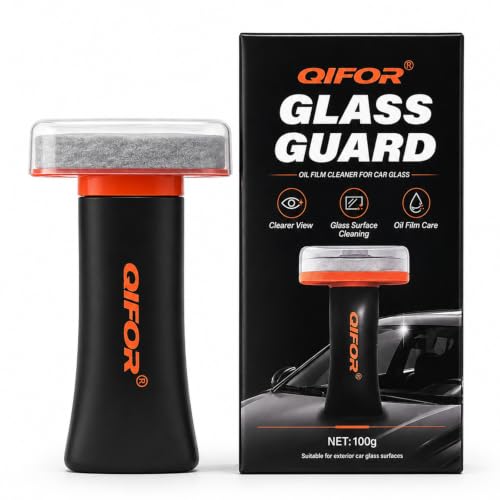
【Restores Crystal-Clear Visibility】Eliminate stubborn oil film, road grime, and water spots in moments. This powerful remover restores perfect clarity to your windshield and side windows, ensuring safer driving day or night—no more blurred or distorted views.

NEW WINDEX AUTOMOTIVE WIPES: Windex Auto Wipes let you drive in comfort and confidence at your convenience
Cleaning Effectiveness
Windex contains ammonia and surfactants, which enhance cleaning performance. These ingredients help break down grease, dirt, and grime on your windshield. For quick touch-ups, using Windex can effectively clear off stubborn residue. However, ensure you dilute it appropriately to avoid potential damage to your car’s components.
Cost-Effectiveness
Windex is often cheaper than many commercial car washer fluids, making it an economical option. If you’re looking for a budget-friendly solution and already keep Windex at home, mixing it with water could save you money. Just keep in mind the importance of proper dilution to maintain effectiveness without harming your vehicle.
Risks of Using Windex in Car Washer Fluid
Using Windex in your car washer fluid poses several risks. You may encounter various issues that affect your vehicle’s performance and safety.
Damage to Paint and Glass
Windex contains ammonia, which can strip wax off your car’s paint. This can lead to oxidation and fading over time. Additionally, ammonia can create cloudiness on glass surfaces, impairing visibility rather than enhancing it. If you want to maintain your vehicle’s appearance, avoid using Windex. Stick to products specifically designed for automotive use.
Impact on Windshield Wipers
Windex can harm windshield wipers. The ingredients may cause rubber to degrade, leading to cracks and tears. Compromised wipers can’t clean effectively, potentially leaving streaks on your windshield. Streaks can hinder visibility, especially in bad weather. For optimal performance, use washer fluids formulated for your car’s specific needs.
Alternative Solutions for Car Washer Fluid
When looking for alternatives to conventional car washer fluid, consider several effective solutions. These options can provide similar cleaning power without the risks associated with using household cleaners like Windex.
Recommended Products

Trusted Formula for Over 30 Years: Kristall Klar has been the choice for those who want a crystal clear view of the road ahead without the streaks and smears typical of standard washer fluids

This item can no be shipped to the state in California, Техаs, Arizona please check with the manufacturer regarding warranty and support issues.

Melts ice & frost fast, -34 degrees F protection
1. Store-Bought Washer Fluids
Store-bought washer fluids come in various types specifically designed for different weather conditions.
- Summer Formulas: These typically contain water, alcohol, and surfactants to combat dirt and grime.
- Winter Formulas: These include antifreeze agents to prevent fluid from freezing.
- All-Season Fluids: Suitable for year-round use, these blends offer versatility across diverse conditions.
2. DIY Washer Fluid
Creating your own car washer fluid can save money and ensure safe ingredients.
- Basic Recipe: Combine one part white vinegar, three parts water, and a few drops of dish soap. This mixture effectively removes dirt and streaks.
- For Stubborn Grime: Increase vinegar to two parts to enhance cleaning power.
3. Windshield Cleaner Tablets
Windshield cleaner tablets dissolve in water, offering convenience and portability.
- Easy to Use: Simply drop a tablet into your washer fluid reservoir filled with water.
- Space-Saving: Tablets take up minimal storage space compared to traditional bottled fluids.
4. Commercial Brands with Eco-Friendly Ingredients
Eco-friendly washer fluids are increasingly available, formulated without harsh chemicals.
- Biodegradable: These options minimize environmental impact while effectively cleaning.
- Safe for Vehicles: Made without harmful additives, they protect your vehicle’s surfaces and components.
5. Rain Repellent Additives
Consider adding rain repellent to your washer fluid for improved performance.
- Benefits: These products help water bead off your windshield, enhancing visibility during rain.
- Use Sparingly: Follow manufacturer instructions to avoid buildup on wipers and glass.
These alternatives offer safe and effective options for maintaining clear visibility while driving, allowing you to choose the solution that best meets your needs and vehicle requirements.
Conclusion
Using Windex in your car washer fluid isn’t the best idea. While it might seem like a quick fix for cleaning your windshield it can lead to more problems down the road. The potential damage to your vehicle’s components and the risk of reduced visibility are concerns you shouldn’t ignore.
Instead consider sticking with commercial washer fluids or exploring DIY options that are safe for your car. There are plenty of alternatives out there designed specifically for your vehicle’s needs. Keeping your windshield clean and clear is crucial for safety so choose wisely and drive confidently.
Frequently Asked Questions
What types of car washer fluids are available?
There are mainly three types of car washer fluids: summer, winter, and all-season. Summer fluids are designed for warmer climates, winter fluids prevent freezing, and all-season fluids offer versatility for changing weather conditions.
Why is it important to choose the right washer fluid?
Using the right washer fluid ensures optimal visibility while driving. Each fluid type contains specific ingredients tailored to perform well in different weather conditions, enhancing driving safety.
Can I use household cleaners like Windex in my car washer system?
No, household cleaners like Windex are not recommended for car washer systems. They can damage rubber and plastic components, clog nozzles, and cause smearing, which compromises visibility.
What are safe alternatives to commercial car washer fluids?
Safe alternatives include store-bought fluids designed for specific weather conditions, DIY washer fluid recipes, windshield cleaner tablets, eco-friendly brands, and rain repellent additives. Choose according to your vehicle’s needs.
How can I make DIY car washer fluid?
To make DIY car washer fluid, mix one part distilled vinegar or alcohol with three parts water. Optionally, add a few drops of dish soap for better cleaning. Always check for compatibility with your vehicle.
What should I consider when choosing washer fluid?
When choosing washer fluid, consider your local climate, vehicle compatibility, and environmental impact. Look for specific formulations for summer, winter, or all-season use to ensure optimal performance.
How does ammonia in Windex affect my car’s surfaces?
Ammonia can damage rubber and plastic components within your car, leading to potential wear and tear. It’s also not designed for the specific requirements of automotive glass, which can cause performance issues.
Are there eco-friendly washer fluid options?
Yes, there are eco-friendly washer fluid brands available that minimize environmental impact while still providing effective cleaning. Look for products labeled as biodegradable or made with natural ingredients.
How does windshield cleaner affect visibility?
A good windshield cleaner enhances visibility by removing dirt, grime, and smudges from the glass. Poor-quality or incompatible cleaners may leave residues that can smear and impair vision while driving.
