

Have you ever wondered what happens to windshield washer fluid after you spray it on your car? You’re not alone. Many people rely on this essential product to keep their windshields clean, but few consider its impact on the environment.
Picture yourself driving on a rainy day. You reach for that bottle, thinking only of visibility and safety. But what if that quick fix is doing more harm than good? In this article, you’ll discover the environmental effects of windshield washer fluid and learn how to make more eco-friendly choices. By the end, you’ll be equipped with the knowledge to protect your vehicle and the planet.
Key Takeaways
- Understand Key Ingredients: Windshield washer fluid typically contains water, methanol, and detergents, each with varying environmental impacts.
- Environmental Risks: Methanol can be toxic to aquatic life, and detergents can contribute to water quality issues, such as algal blooms.
- Eco-Friendly Alternatives: Consider using homemade solutions like vinegar and water or commercially available eco-friendly washer fluids to minimize harm to the environment.
- Proper Disposal Matters: Dispose of used washer fluid responsibly by utilizing designated waste collection sites to avoid contamination of local ecosystems.
- Pay Attention to Regulations: Familiarize yourself with local and international regulations regarding windshield washer fluid to make informed purchasing decisions.
- Choose Biodegradable Products: Look for products labeled as eco-friendly or biodegradable to reduce your environmental footprint while maintaining vehicle visibility.
Overview of Windshield Washer Fluid
Windshield washer fluid cleans your windshield, helping maintain visibility while driving. Common ingredients include water, methanol, and detergents. These components effectively remove dirt, insects, and grime, but they can also pose environmental risks.
Recommended Products
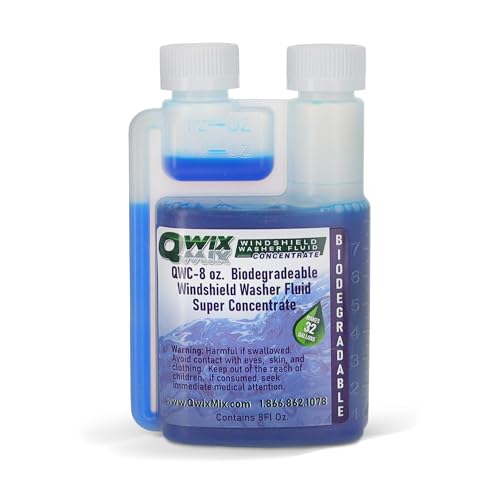
[Super Concentrated Savings] Qwix Mix windshield washer fluid concentrate makes up to 55 gallons of premium windshield washer fluid from one 8 oz bottle, saving money versus pre-mixed windshield washer fluids

Removes and repels the toughest road grime

Safer, Plant-Derived Ethanol Formula: Renewable, plant-based alternative to petroleum & methanol. Safer for families & pets
Key Ingredients and Their Effects
- Water: While primarily harmless, its sourcing can impact local ecosystems.
- Methanol: This solvent can lead to toxicity in aquatic life. It breaks down in the environment but poses risks if released in large quantities.
- Detergents: Many detergents contain phosphorus and surfactants, which can harm water quality. These substances contribute to algae blooms in water bodies, affecting marine ecosystems.
Environmental Impact
Water quality deteriorates when these substances run off into storm drains or bodies of water. Short-term exposure to methanol and surfactants can affect fish and other wildlife.
Alternatives to Conventional Fluids
Consider using eco-friendly or biodegradable windshield washer fluids. These products replace harmful ingredients with safer options, such as plant-based solvents. Your choice can minimize negative environmental impacts while still ensuring clear visibility.
Proper Disposal Practices
Dispose of old washer fluid responsibly. Many local auto shops or recycling centers accept used fluids. You prevent contamination and protect your environment by following these guidelines.
Making Informed Choices
You can make a difference by choosing products with minimal environmental impact. Research brands committed to sustainability. Read labels carefully to avoid harsh chemicals.
By understanding the components and effects of windshield washer fluid, you take an active role in preserving the environment.
Environmental Impact of Windshield Washer Fluid
Windshield washer fluid contains various chemicals that can negatively impact the environment. Understanding these effects helps you make informed choices to protect your surroundings.
Recommended Products
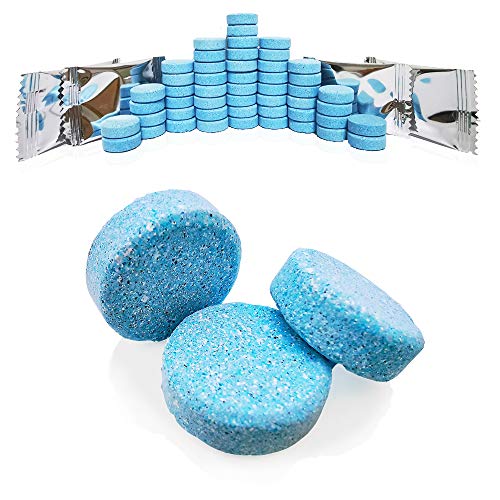
【Portable & Cost-Effective】Our windshield washer tablets are compact (16mm*2mm) and portable, making them easy to store and carry. Each tablet equals 1 gallon of washing liquid, offering significant savings compared to traditional fluids. Perfect for car windshield wiper fluid needs, these tablets are ideal for drivers looking for a convenient and economical solution.

EFFORTLESS CLEANING: Enjoy hassle-free maintenance with ABRO's pre-mixed windshield wiper fluid formula, saving you time and effort in preparing the solution for streak-free clarity.

Easy to Add: Pour directly into the windshield washer fluid reservoir
Key Ingredients and Their Effects
Common ingredients in windshield washer fluid include:
- Water: While generally harmless, it can dilute other harmful substances and lead to runoff.
- Methanol: A toxic alcohol that can contaminate groundwater, it poses risks to aquatic life when entering waterways.
- Detergents: These surfactants can disrupt ecosystem balance and harm freshwater species in large amounts.
Choosing a fluid with biodegradable ingredients minimizes environmental harm. Look for products labeled as eco-friendly, as they typically contain safer components.
Disposal Methods and Concerns
Improper disposal of windshield washer fluid can lead to contamination. Follow these guidelines to dispose of it safely:
- Do not pour: Avoid pouring the fluid down drains or on the ground. Instead, use designated waste collection sites.
- Check local regulations: Rules can vary by location. Some areas have specific disposal centers for hazardous materials.
- Recycle containers: Rinse out empty containers and recycle them when possible to reduce waste.
Taking these steps prevents harmful chemicals from entering your local ecosystem.
Alternatives to Traditional Windshield Washer Fluid
Choosing eco-friendly alternatives to traditional windshield washer fluid helps reduce environmental harm. You can easily find or make options that are safer for the planet. Here’s a closer look at some options.
Recommended Products

EXTREME COLD PROTECTION: Formulated to provide reliable -20°F freeze protection, keeping your windshield washer system functioning in harsh winter conditions

SUPER CONCENTRATED WASHER FLUID: 16 fl oz washer fluid bottle makes 165 gallons of summer blend washer fluid. Just pump three times per gallon of water, directly into your windshield washer fluid tank.

HIGH-YIELD WINDSHIELD WASHER FLUID: One 250 ml bottle makes over 6 gallons of washer solution, giving you a concentrated wiper fluid option for routine automotive windshield cleaning.
Eco-Friendly Options
- Vinegar and Water: Mix equal parts of white vinegar and water for a simple, effective cleaner. This solution removes dirt without harsh chemicals.
- Commercial Eco-Friendly Fluids: Seek out brands that advertise biodegradable ingredients. These fluids often use natural components that are less harmful.
- Soap and Water: Dissolve a few drops of biodegradable dish soap in water. This option cleans effectively and minimizes negative impact.
- Rubbing Alcohol Cocktail: Combine rubbing alcohol with water. This mixture is efficient in colder temperatures and less toxic than methanol-based fluids.
- Reduced Environmental Impact: Eco-friendly fluids lessen the risk of water contamination and harm to aquatic life.
- Cost-Effective Solutions: Homemade versions like vinegar and water save money while providing a safe cleaning solution.
- Safer for Inhabitants: Natural ingredients pose less risk to pets and people, ensuring a safer environment.
- Easy Availability: Common household items easily transform into windshield washer fluid, making it convenient to use.
By choosing these alternatives, you contribute to protecting ecosystems and enhancing water quality.
Regulations and Standards
Windshield washer fluid is subject to various regulations aimed at minimizing its environmental impact. Different countries and regions impose standards governing the formulation and labeling of these products to ensure safety and environmental protection.
United States Regulations
In the U.S., the Environmental Protection Agency (EPA) oversees regulations on chemical substances, including those used in windshield washer fluid. The Toxic Substances Control Act (TSCA) requires manufacturers to disclose ingredients and assess the potential risks of their products. This ensures harmful substances, such as methanol, are managed properly in commercial formulations.
International Standards
Many countries endorse regulations that align with the Globally Harmonized System of Classification and Labeling of Chemicals (GHS). This system encourages safer use and handling of chemicals, including those found in windshield washer products. Adherence to these standards aids in controlling toxic emissions and protecting water resources.
Eco-Labeling
Eco-labels promote environmentally friendly products, reassuring consumers of their safety and reduced impact. When shopping for windshield washer fluid, look for products with certifications like Green Seal or EcoLogo. These labels denote compliance with rigorous environmental standards, ensuring that you make a sustainable choice.
Local Regulations
Regional regulations can also dictate the use of specific ingredients in windshield washer fluid. Certain areas may ban harmful substances outright or impose strict guidelines on their concentrations. Always check local regulations to stay informed on what’s permissible in your area.
Recommendations
Opt for products that align with established regulations and standards. Prioritize fluids containing biodegradable ingredients and minimal environmental impact. When in doubt, consult the product label or manufacturer’s website for detailed information on compliance and eco-friendliness. By making informed choices, you contribute to environmental preservation while maintaining your vehicle.
Conclusion
Choosing the right windshield washer fluid can make a difference for the environment. By opting for eco-friendly alternatives you’re not just keeping your windshield clean but also protecting local ecosystems. It’s all about making informed decisions that align with your values.
Remember to check labels and look for biodegradable options that meet safety standards. Small changes in your choices can lead to a healthier planet. So next time you refill your washer fluid think about the impact it has and choose wisely. Your car and the environment will thank you.
Frequently Asked Questions
What is traditional windshield washer fluid made of?
Traditional windshield washer fluid typically contains a mixture of water, alcohol, and various chemicals, including methanol and other solvents. These ingredients can be harmful to the environment and may pose risks to human health if not disposed of properly.
Why should I choose eco-friendly windshield washer fluid?
Choosing eco-friendly windshield washer fluid helps reduce environmental harm caused by harmful chemicals. Eco-friendly alternatives are often biodegradable and safer for wildlife and human health, contributing to a cleaner environment.
What are some eco-friendly alternatives to traditional washer fluid?
Common eco-friendly alternatives include a mixture of vinegar and water, commercial eco-friendly fluids, soap and water, or a rubbing alcohol cocktail. These options effectively clean windshields without the negative impact of harmful chemicals.
What regulations govern windshield washer fluid in the U.S.?
In the United States, regulations like the Toxic Substances Control Act (TSCA) govern the safety and composition of chemicals in products, including windshield washer fluids. These regulations ensure substances used are safe for consumers and the environment.
How can I ensure that my washer fluid is environmentally friendly?
To ensure your washer fluid is eco-friendly, look for products that comply with established standards like eco-labeling. Check the ingredients for biodegradable options, and consult product labels or manufacturers for more eco-friendliness information.
What is the importance of eco-labeling for washer fluids?
Eco-labeling indicates that the product meets specific environmental criteria, helping consumers make informed choices. It signifies that the product is safer for the environment, promoting sustainability and responsible consumption.
Can I make my own windshield washer fluid?
Yes, you can make your own eco-friendly windshield washer fluid using simple ingredients like a mixture of vinegar and water, or soap and water. These DIY options can effectively clean your windshield while minimizing environmental impact.
