

Ever found yourself at the auto parts store, staring at rows of colorful liquids, wondering if antifreeze and washer fluid are the same? You’re not alone. Many people confuse these two essential car fluids, leading to costly mistakes or even potential damage to their vehicles.
Key Takeaways
- Distinct Functions: Antifreeze regulates engine temperature and prevents freezing, while washer fluid is designed for cleaning windshields and headlights for clear visibility.
- Different Chemical Compositions: Antifreeze contains ethylene glycol or propylene glycol, whereas washer fluid primarily consists of water, methanol, and surfactants for effective cleaning.
- Important Usage Guidelines: Never use antifreeze as washer fluid; it can cause visibility issues and chemical reactions, and may even corrode your vehicle’s components.
- Check Labels: Always verify the ingredients in your washer fluid to ensure compatibility with your vehicle and climate conditions.
- Regular Maintenance: Keep your windshield washer reservoir filled with the appropriate fluid and regularly check levels for optimal driving safety.
Understanding Antifreeze
Antifreeze, also known as coolant, plays a crucial role in your vehicle’s operation. It helps regulate engine temperature, preventing overheating in warm weather and freezing in cold conditions.
Composition and Function
Antifreeze contains a mix of water and chemical substances like ethylene glycol or propylene glycol. These compounds lower the freezing point and raise the boiling point of the liquid. This ensures that the engine maintains an optimal temperature range even under extreme weather conditions. Using antifreeze aids in protecting your vehicle’s engine and cooling system from corrosion and sediment buildup, extending its lifespan.
- Ethylene Glycol: Commonly used due to its effective heat transfer properties and low cost. It should be handled with care, as it’s toxic to pets and humans.
- Propylene Glycol: Safer alternative, often used for environmentally friendly applications. It provides similar benefits without the toxicity concerns.
- Organic Acid Technology (OAT): Designed for long-life performance. It requires less frequent changes and is suitable for modern vehicles.
- Inorganic Acid Technology (IAT): Traditional formula. It needs more regular maintenance and is less common in newer models.
Choosing the right type of antifreeze depends on your vehicle’s specifications. Always check the owner’s manual for recommendations.
Exploring Washer Fluid
Washer fluid plays a crucial role in maintaining clear visibility while driving. Understanding its components and functions helps you use it effectively.
Recommended Products

SUPER CONCENTRATED WASHER FLUID: 16 fl oz washer fluid bottle makes 165 gallons of summer blend washer fluid. Just pump three times per gallon of water, directly into your windshield washer fluid tank.
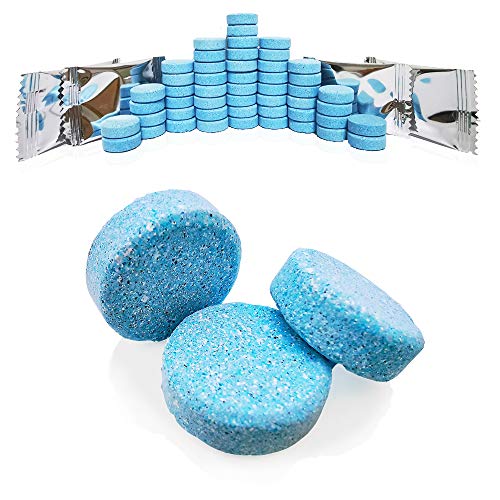
【Portable & Cost-Effective】Our windshield washer tablets are compact (16mm*2mm) and portable, making them easy to store and carry. Each tablet equals 1 gallon of washing liquid, offering significant savings compared to traditional fluids. Perfect for car windshield wiper fluid needs, these tablets are ideal for drivers looking for a convenient and economical solution.

Safer, Plant-Derived Ethanol Formula: Renewable, plant-based alternative to petroleum & methanol. Safer for families & pets
Ingredients in Washer Fluid
Common ingredients in washer fluid include:
- Water: Acts as a primary solvent.
- Methanol: Prevents freezing in colder temperatures.
- Surfactants: Break down grime and enhance cleaning efficiency.
- Fragrance: Adds scent for a pleasant driving experience.
Some variations contain antifreeze components, but these are not the same as engine antifreeze. Always check the label to ensure compatibility with your vehicle.
Purpose and Usage
Washer fluid serves to clean your windshield and headlights. It removes dirt, dust, and debris, ensuring optimal visibility.
- Use during inclement weather: Activating the washer system keeps your view clear in rain or snow.
- Regular refills: Monitor fluid levels and replenish as needed.
- Avoid using water: While tempting, pure water can freeze and doesn’t clean as effectively.
By knowing the proper ingredients and their functions, you ensure your washer fluid performs optimally without mixing it up with antifreeze.
Key Differences Between Antifreeze and Washer Fluid
Antifreeze and washer fluid, while both essential automotive fluids, serve distinctly different purposes and possess unique properties.
Recommended Products

Removes and repels the toughest road grime

Trusted Formula for Over 30 Years: Kristall Klar has been the choice for those who want a crystal clear view of the road ahead without the streaks and smears typical of standard washer fluids

This item can no be shipped to the state in California, Техаs, Arizona please check with the manufacturer regarding warranty and support issues.
Chemical Properties
Antifreeze contains chemicals like ethylene glycol or propylene glycol. These substances prevent freezing and raise boiling points, ensuring optimal engine temperature. In contrast, washer fluid primarily consists of water, methanol, surfactants, and additives. These components clean windshields and headlights while providing necessary protection against dirt and grime without affecting engine performance.
Intended Applications
Antifreeze functions within the vehicle’s cooling system, regulating engine temperature and preventing damage from extreme conditions. It circulates through the engine and radiator to maintain a safe operating temperature. Washer fluid, however, is designed for the windshield washer reservoir. It sprays onto the glass to remove debris, ensuring clear visibility while driving. Mixing these two fluids can cause serious engine issues or impaired visibility on the road.
Can Antifreeze Be Used as Washer Fluid?
Antifreeze should not be used as washer fluid. While both serve important roles in vehicle maintenance, their compositions and functions differ significantly. Using antifreeze in place of washer fluid carries several risks.
Recommended Products

EXTREME COLD PROTECTION: Formulated to provide reliable -20°F freeze protection, keeping your windshield washer system functioning in harsh winter conditions

EFFORTLESS CLEANING: Enjoy hassle-free maintenance with ABRO's pre-mixed windshield wiper fluid formula, saving you time and effort in preparing the solution for streak-free clarity.

advanced Water beading technology leaves no streaks and is glare free
Risks and Considerations
- Visibility Issues: Antifreeze can leave streaks on your windshield, reducing visibility while driving. Clean glass requires a fluid designed specifically for that purpose.
- Chemical Reactions: Mixing antifreeze with washer fluid can produce undesirable chemical reactions. These reactions may create harmful fumes or residues that affect your vehicle’s performance.
- Corrosion Risks: Antifreeze may corrode components within the windshield washer system. This damage can lead to costly repairs and reduced lifespan of the system.
- Environmental Concerns: Antifreeze contains chemicals harmful to the environment. Spilling antifreeze on roadways can pollute local water sources.
- Use Dedicated Products: Always use washer fluid designed specifically for cleaning windshields. These products contain surfactants and additives that effectively clean without damaging your vehicle.
- Check Labels: When purchasing washer fluid, verify the ingredients. Ensure it’s suitable for your climate—look for formulas that prevent freezing in colder conditions.
- Store Separately: Keep antifreeze and washer fluid in separate containers. Clearly label each container to prevent accidental mixing.
- Regular Maintenance: Regularly check and refill your windshield washer reservoir with the appropriate fluid. This ensures maximum visibility and safety while driving.
Conclusion
Understanding the differences between antifreeze and washer fluid is crucial for your vehicle’s health and your safety on the road. By using the right products for their intended purposes you can avoid potential damage and ensure clear visibility while driving. Always check the labels and store your fluids separately to keep everything organized. Regular maintenance of your windshield washer reservoir will help you stay prepared for any weather conditions. Keeping these tips in mind will help you enjoy a smoother and safer driving experience.
Frequently Asked Questions
What is the difference between antifreeze and washer fluid?
Antifreeze is used to regulate engine temperature, preventing overheating or freezing. In contrast, washer fluid is designed to clean your windshield without impacting engine performance. Each has a specific purpose and should not be mixed.
Can I use antifreeze in my windshield washer system?
No, using antifreeze as washer fluid is not recommended. It can reduce visibility, cause chemical reactions, and lead to corrosion. Always stick to dedicated washer fluid for optimal performance.
What can happen if I mix antifreeze and washer fluid?
Mixing antifreeze and washer fluid can damage your engine and impair visibility. Chemical reactions may occur, leading to corrosion of parts and potential windshield problems, compromising your safety.
How should I store antifreeze and washer fluid?
Store antifreeze and washer fluid separately in clearly labeled containers. Keeping them apart helps avoid accidental mixing and ensures you use the right fluid for each purpose.
How often should I check my windshield washer reservoir?
Regularly check your windshield washer reservoir and refill it as needed. Maintain optimal fluid levels for clear visibility while driving, especially in changing weather conditions.
