

Ever found yourself accidentally spilling windshield washer fluid while refilling your car? It’s a common mishap that can leave you wondering if it’s really a big deal. You might think, “It’s just fluid, right?” But there’s more to consider than just the mess.
In this article, you’ll discover the potential effects of spilling windshield washer fluid and whether it poses any risks to your vehicle, the environment, or your health. Understanding these aspects can help you make informed decisions and avoid unnecessary problems. So, let’s clear up the confusion and see what you need to know about this everyday situation.
Key Takeaways
- Understand the Composition: Windshield washer fluid contains water, surfactants, antifreeze (like methanol), and dyes, making its proper handling crucial to avoid spills.
- Safety Risks: Spilling washer fluid can make surfaces slippery, potentially endangering drivers and can also damage car paint if not cleaned up promptly.
- Environmental Impact: Chemicals in washer fluid can harm plants and aquatic life, highlighting the importance of quick and effective cleanup of any spills.
- Health Precautions: Direct contact or inhaling fumes from washer fluid can lead to skin irritation and respiratory issues, necessitating gloves and proper ventilation during handling.
- Prevention Tips: Use funnels, monitor fluid levels, and pour slowly to minimize spills while refilling your vehicle’s washer fluid.
- Safe Disposal: Follow local regulations for disposing of washer fluid and use appropriate containers to prevent accidental spills and protect the environment.
Overview of Windshield Washer Fluid
Windshield washer fluid plays a crucial role in maintaining clear visibility while driving. This fluid not only cleans your windshield but also enhances safety by removing dirt, grime, and other debris that could obscure your view.
Composition of Windshield Washer Fluid
Windshield washer fluid commonly contains:
- Water: Acts as the main solvent.
- Surfactants: Help break down and lift dirt particles.
- Antifreeze: Prevents fluid from freezing in cold weather, commonly made with methanol or ethylene glycol.
- Dyes: Add color for easy identification.
Potential Effects of Spills
Spilling windshield washer fluid can impact both your vehicle and the environment:
- On the Vehicle: Spills can lead to slippery surfaces on your car, potentially causing dangerous driving situations. Accumulated fluid may also damage paint if left untreated.
- On the Environment: Many washer fluids contain chemicals that can harm plants and aquatic life. Clean up spills promptly to minimize environmental impact.
Health Considerations
Windshield washer fluid often includes toxic substances. Although small amounts might not pose significant health risks, inhaling fumes or direct contact with the skin can lead to irritation. If you spill fluid, wash your hands thoroughly and ventilate the area.
How to Prevent Spills
To avoid accidental spills while refilling, consider these tips:
- Use a funnel: A funnel helps direct the fluid into the reservoir and minimizes overflow.
- Check the reservoir’s level: Regularly monitor levels to avoid overfilling.
- Work slowly: Pouring slowly helps control the flow and reduces the likelihood of spilling.
By understanding the nature and implications of windshield washer fluid, you can manage spills effectively and ensure safer driving conditions.
Environmental Impact of Spilled Washer Fluid
Spilling windshield washer fluid can harm the environment. Understanding its chemical composition and effects on wildlife provides insight into this issue.
Recommended Products

HIGH QUALITY MATERIAL: The windshield washer hose kit is made of high quality rubber, soft and elastic, strong and durable.

Fitment Work well with most 12V cars with enough size to fit this washer pump. Universal car KEMIMOTO windshield washer is designed to fit most Car UTV ATVs boats and so on

Windshield Washer Hose Repair Kit -- The washer hose kit is easy to replace and install. Windshield washer hose kits help you easily and quickly replace aging hoses and properly connect your car's water pump to the windshield nozzle to ensure smooth water spraying and glass cleaning. You can replace the new windshield wiper hose repair kit by yourself to save money for your loved automotive car.
Chemical Composition
Windshield washer fluid contains various chemicals, including methanol, ammonia, and detergents. Methanol, used as an antifreeze agent, poses risks if spilled in large amounts. It can contaminate water supplies and soil. Detergents, while helping to clean your windshield, can create foam that reduces oxygen levels in water bodies. Such alterations can disrupt aquatic ecosystems. Always handle washer fluid carefully to minimize spills.
Effects on Wildlife
Spilled washer fluid can negatively affect wildlife. Animals may come into contact with the fluid, leading to harmful effects such as poisoning. For example, birds and small mammals may ingest the fluid, mistaking it for water. Poisoning symptoms include disorientation, difficulty breathing, and even death. Protecting local wildlife is vital, so ensure proper containment and clean any spills quickly. Use spill kits to manage any accidental releases effectively.
Health Risks Associated with Washer Fluid
Spilling windshield washer fluid poses various health risks that you should know about. Understanding these risks helps in taking appropriate precautions.
Recommended Products

This item can no be shipped to the state in California, Техаs, Arizona please check with the manufacturer regarding warranty and support issues.

Removes and repels the toughest road grime

EFFORTLESS CLEANING: Enjoy hassle-free maintenance with ABRO's pre-mixed windshield wiper fluid formula, saving you time and effort in preparing the solution for streak-free clarity.
Skin Contact
Skin contact with windshield washer fluid can lead to irritation and allergic reactions. The fluid often contains methanol and ammonia, which can cause redness, itching, or burning sensations. If you accidentally spill the fluid on your skin, wash the area thoroughly with soap and water. If irritation persists, seek medical advice. It’s wise to wear gloves when handling washer fluid to minimize direct contact and reduce any risk of skin-related issues.
Inhalation Risks
Inhaling fumes from spilled windshield washer fluid poses respiratory risks. The chemicals in washer fluid, especially when heated, can irritate your lungs and airways. Symptoms may include coughing, sneezing, or difficulty breathing. Ensure you work in a well-ventilated area while refilling or cleaning up spills. If you experience severe symptoms, get fresh air immediately and seek medical attention if necessary. Using a mask can also help protect against inhaling harmful fumes when dealing with washer fluid.
Safe Handling and Disposal Practices
Handling and disposing of windshield washer fluid safely protects your health and the environment. Follow these practices to minimize risks.
Recommended Products

High quality material: windshield washer hose kit is made of high quality rubber, soft and flexible, strong and durable for long term use. The front windshield nozzle is made of high quality plastic, light weight and corrosion resistant, which can effectively extend the service life of wiper blades.
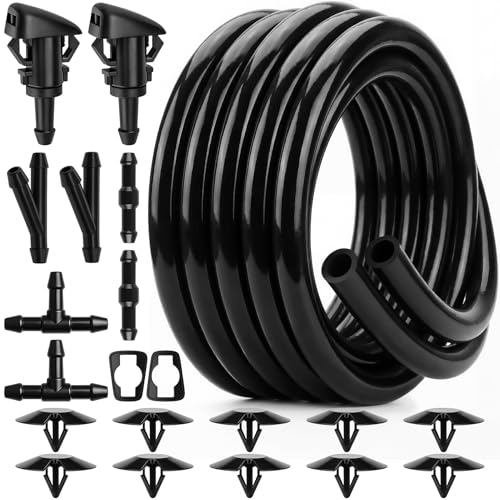
Durable Replacement Washer Hose Kit: Made of flexible rubber hose and tough plastic fan nozzles, resistant to cracking and corrosion, designed to replace aging or leaking windshield washer tubing and restore normal washer fluid flow.
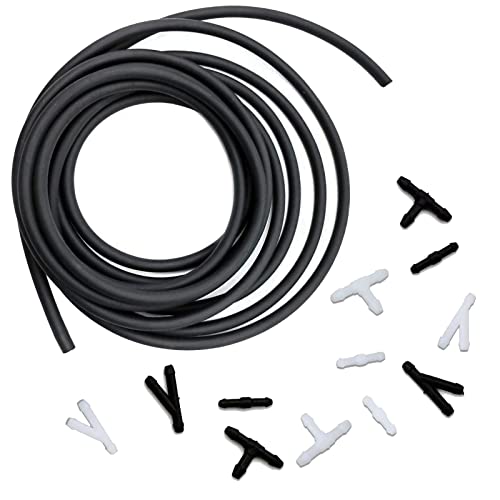
Product function: The windshield washer hose kit connects the water tank and the water nozzle, which can spray the glass water smoothly and clean the windshield quickly.
Wear Protective Gear
Always wear gloves and goggles when handling washer fluid. This prevents skin irritation and protects your eyes from splashes.
Work in a Ventilated Area
Ensure proper airflow in your workspace. If working indoors, open windows or use a fan to keep fresh air circulating.
Clean Up Spills Immediately
If you spill washer fluid, clean it up right away. Use absorbent materials like paper towels or rags. Dispose of these materials properly.
Check Local Regulations
Before disposing of washer fluid, check local disposal regulations. Some areas may require specific disposal methods, particularly for hazardous materials.
Use a Dedicated Container
Store washer fluid in a labeled, sealed container. This prevents accidental spills and makes identification easier.
Recycle Empty Containers
Once empty, recycle washer fluid containers according to local guidelines. Many areas have dedicated recycling programs for hazardous waste.
Seek Professional Help
If you’re unsure about disposal methods, consider contacting local waste management services. They can provide guidance on safe disposal practices.
Implementing these safe handling and disposal practices helps ensure personal safety and protects the environment from the harmful effects of windshield washer fluid.
Conclusion
Spilling windshield washer fluid isn’t just a minor mishap; it can have real consequences for both your health and the environment. By taking the right precautions and being mindful of how you handle and dispose of this fluid, you can protect yourself and the wildlife around you.
Remember to always clean up spills promptly and follow safety guidelines. Your efforts can make a difference in keeping your surroundings safe and healthy. So next time you’re refilling your washer fluid, just keep these tips in mind and you’ll be doing your part to minimize any negative impact.
Frequently Asked Questions
What is the environmental impact of spilled windshield washer fluid?
Spilled windshield washer fluid can harm water supplies, soil, and wildlife. Its chemical composition, which includes methanol and ammonia, poses risks of poisoning to animals and potentially contaminates local ecosystems.
What health risks are associated with windshield washer fluid?
Exposure to windshield washer fluid can lead to health issues such as skin irritation and respiratory problems due to its toxic chemicals. Methanol and ammonia can cause serious health risks, emphasizing the need for careful handling.
How can I safely handle windshield washer fluid?
To handle windshield washer fluid safely, wear gloves and protective gear, work in a well-ventilated area, and clean up any spills immediately. This reduces the risk of exposure to harmful chemicals.
What are the disposal guidelines for windshield washer fluid?
Dispose of windshield washer fluid by checking local regulations, using dedicated containers, and recycling empty bottles. If unsure about disposal methods, seek professional assistance to ensure safe and compliant practices.
How can I minimize risks when using windshield washer fluid?
Minimize risks by always wearing protective gear, ensuring good ventilation, and keeping washer fluid away from pets and wildlife. Following guidelines for safe handling and disposal is crucial for protecting both yourself and the environment.
