

Have you ever wondered if that blue liquid in your windshield washer reservoir is safe? You’re not alone. Many people use window washer fluid without a second thought, but it’s important to know what’s in it and how it can affect your health and the environment.
Imagine filling your car with a product that might be harmful. It’s a situation you wouldn’t want to ignore. This article will break down the ingredients commonly found in window washer fluid and discuss their potential risks. By the end, you’ll have a clearer understanding of whether you should be concerned and how to choose safer alternatives.
Key Takeaways
- Understanding Composition: Window washer fluid typically contains water, alcohols, surfactants, dyes, and various additives that influence its effectiveness and safety.
- Health Risks: Some ingredients, like methanol and certain surfactants, can pose health hazards including skin irritation and respiratory issues. Always check labels for harmful substances.
- Environmental Impact: Toxic components in window washer fluid can contaminate soil and water, harming wildlife and ecosystems. Eco-friendly alternatives are available to minimize these risks.
- Safe Handling Practices: Use protective gear such as gloves and goggles, work in well-ventilated areas, and follow label instructions to safely handle and use window washer fluid.
- Safer Alternatives: Consider using biodegradable or homemade window washer fluids (like a vinegar solution) to reduce health and environmental risks.
- Proper Disposal: Always dispose of window washer fluid according to local regulations and rinse reservoirs before disposal to prevent contamination.
Overview of Window Washer Fluid
Window washer fluid plays a crucial role in maintaining visibility while driving. It’s designed to remove dirt, grime, and other debris from your windshield. Understanding the composition of this fluid helps you make informed decisions about its use.
Common Ingredients
Water: Acts as the primary solvent. It dilutes other chemicals, ensuring easy application and effective cleaning.
Alcohols: Often, isopropyl alcohol or methanol is included. These lower the freezing point and prevent the fluid from freezing in colder temperatures.
Surfactants: These compounds break down grime and improve cleaning efficiency. They help the fluid spread evenly across the glass.
Dyes: Manufacturers sometimes add colors for visual appeal. Dyes don’t contribute to the cleaning properties but enhance the product’s look.
Additives: Various additives may improve performance, such as antifreeze agents or antibacterial components. These enhance the fluid’s effectiveness under different environmental conditions.
Toxicity Concerns
Some window washer fluids contain toxic substances. Prolonged exposure to certain alcohols can lead to health risks. Additionally, inhaling fumes may cause irritation. Always check the label for safety warnings. Look for products labeled “non-toxic” or “environmentally friendly” as safer alternatives.
Safety Tips
- Store Safely: Keep fluid out of reach of children and pets.
- Use Gloves: When handling, wear gloves to avoid skin contact.
- Ventilation: Ensure good airflow when using inside garages or closed spaces.
- Follow Instructions: Always adhere to manufacturer guidelines for use and disposal.
Alternatives to Conventional Fluids
Consider using vinegar or commercial eco-friendly options. Vinegar helps cut through grime and poses fewer health risks. Eco-friendly products often use biodegradable components and are safer for the environment.
By understanding window washer fluid’s components and safety measures, you can utilize these products responsibly while ensuring your vehicle remains clean and visible on the road.
Ingredients of Window Washer Fluid
Understanding the components of window washer fluid helps you make informed choices. Here’s a breakdown of the common ingredients involved.
Recommended Products

Safer, Plant-Derived Ethanol Formula: Renewable, plant-based alternative to petroleum & methanol. Safer for families & pets

Trusted Formula for Over 30 Years: Kristall Klar has been the choice for those who want a crystal clear view of the road ahead without the streaks and smears typical of standard washer fluids

Super-concentrated with 3 times the cleaning power of ordinary wash
Common Chemicals Used
- Water: Primarily, water serves as the solvent, diluting other ingredients and enhancing fluidity.
- Alcohols: Isopropyl alcohol or ethanol are often included to lower the freezing point, ensuring the fluid works effectively in cold conditions.
- Surfactants: These cleaning agents break down dirt and grime, improving the fluid’s effectiveness on your windshield.
- Dyes: Dyes provide color, making it easier to see the fluid in the reservoir and on surfaces.
- Additives: These are included for specific purposes, such as preventing streaking or enhancing cleaning capabilities.
Potential Hazards
Some ingredients in window washer fluid can pose health risks. Here are key hazards to consider:
- Methanol: Found in certain fluids, methanol is toxic if ingested and can cause severe health issues. Always avoid contact with skin and eyes.
- Surfactants: While useful, some surfactants may cause skin irritation upon prolonged exposure. Gloves can offer protection.
- Volatile Organic Compounds (VOCs): These can evaporate quickly, leading to inhalation risks. Use window washer fluid in well-ventilated areas.
Always check labels for safety information and look for non-toxic or eco-friendly options to mitigate risks.
Is Window Washer Fluid Toxic?
Window washer fluid can pose health risks and have harmful environmental effects. Understanding these concerns is crucial for safe handling and disposal.
Recommended Products

PACKAGE: Include 400 pieces of solid concentrated clean washer tablets in total, just 1 piece tablet with 1 gallon of water, you will get 1 gallon of windshield glass washer to clean and lubricate windshield.

1. INSTANTLY CLEARS BUGS, GRIME & ROAD DEBRIS – Powerful concentrated formula dissolves stubborn bug splatters, tree sap, road dust, and oily film on contact, giving you a crystal-clear windshield for safer driving in any condition

1. INSTANTLY CLEARS BUGS, GRIME & ROAD DEBRIS – Powerful concentrated formula dissolves stubborn bug splatters, tree sap, road dust, and oily film on contact, giving you a crystal-clear windshield for safer driving in any condition
Health Risks to Humans
Health risks from window washer fluid mainly arise from its ingredients. Methanol, often found in these products, can cause nausea, headaches, and dizziness if inhaled or ingested in significant amounts. Surfactants may irritate the skin and eyes, leading to discomfort. Volatile organic compounds (VOCs) can also contribute to respiratory issues, especially in poorly ventilated areas. Always read labels to identify harmful substances. Using gloves and masks while handling the fluid helps minimize exposure.
Environmental Impact
The environmental impact of window washer fluid varies based on its composition. Toxic ingredients can contaminate soil and water sources, harming wildlife. When spilled or improperly disposed of, these fluids can enter drainage systems, affecting aquatic ecosystems. Opting for biodegradable or eco-friendly alternatives reduces these risks. Proper disposal according to local regulations ensures minimal environmental harm.
Safe Handling and Usage
Using window washer fluid safely involves understanding its properties and following best practices. Proper handling reduces health risks and environmental impacts.
Recommended Products
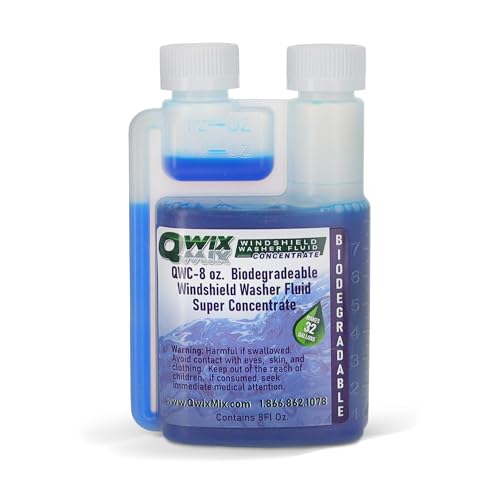
[Super Concentrated Savings] Qwix Mix windshield washer fluid concentrate makes up to 55 gallons of premium windshield washer fluid from one 8 oz bottle, saving money versus pre-mixed windshield washer fluids

Removes and repels the toughest road grime

EFFORTLESS CLEANING: Enjoy hassle-free maintenance with ABRO's pre-mixed windshield wiper fluid formula, saving you time and effort in preparing the solution for streak-free clarity.
Recommendations for Users
- Wear Protective Gear: Use gloves and goggles when handling window washer fluid. These items minimize skin and eye contact.
- Work in a Ventilated Area: Ensure good airflow when using window washer fluid. This measure reduces inhalation of harmful vapors.
- Store Properly: Keep window washer fluid in a cool, dry place away from direct sunlight. Seal the container tightly to prevent leaks.
- Avoid Mixing: Don’t mix different brands or types of window washer fluid. Combining products may create harmful reactions.
- Follow Label Directions: Adhere to the instructions on the product label. This step ensures safe and effective use.
- Biodegradable Fluids: Opt for eco-friendly washer fluids that break down naturally. These products are less harmful to the environment.
- DIY Solutions: Create your own washer fluid using a mixture of water, vinegar, and a few drops of dish soap. This option is inexpensive and non-toxic.
- Commercial Eco-Options: Look for commercially available window washer fluids labeled as green or eco-friendly. These alternatives generally contain fewer harmful ingredients.
- Rinsing Hazardous Fluids: If you need to dispose of old washer fluid, rinse the reservoir with water prior to disposal. This step prevents residual chemicals from leaching into the environment.
Following these practices promotes both your safety and the health of the planet.
Conclusion
Understanding the ingredients in window washer fluid is key to keeping yourself and the environment safe. By being aware of potential toxins and taking proper precautions you can make informed decisions. Whether you choose commercial products or DIY solutions remember that safety and sustainability go hand in hand.
Opting for eco-friendly alternatives not only protects your health but also contributes to a cleaner planet. So the next time you refill your washer fluid think about the choices you make and how they impact both you and the environment. Your vehicle maintenance routine can be both effective and responsible.
Frequently Asked Questions
What are the main components of window washer fluid?
Window washer fluid typically contains water, alcohols (like methanol), surfactants, dyes, and various additives. These ingredients help clean the windshield but may pose health risks if not handled properly.
Why is it important to understand window washer fluid ingredients?
Understanding the ingredients is crucial for health and environmental reasons. Some components, like methanol and certain surfactants, can be toxic, so knowing what’s in your fluid helps you use it safely.
What safety precautions should I take when using window washer fluid?
Always wear protective gear, work in well-ventilated areas, and avoid skin contact. Follow the label directions closely and ensure proper storage to minimize health risks.
How can I reduce the environmental impact of window washer fluid?
Opt for biodegradable or eco-friendly alternatives, create DIY solutions, and always rinse hazardous fluids before disposal. Choosing commercial eco-options can also help lessen environmental effects.
Can I mix different types of window washer fluid?
No, you should avoid mixing different products. Combining various fluids can create harmful reactions and reduce the effectiveness of your window washer solution. Always use one type at a time.
