

Have you ever found yourself driving on a rainy day, reaching for the windshield washer only to discover that nothing’s coming out? It’s frustrating, right? This common issue can leave you squinting through dirty glass, making your drive less safe and more stressful.
In this article, you’ll uncover the reasons behind that pesky problem. From clogged nozzles to empty reservoirs, we’ll break down the likely culprits and offer simple solutions. By the end, you’ll be equipped to get your washer fluid flowing again, ensuring a clearer view and a safer ride.
Key Takeaways
- Common Issues: The primary reasons windshield washer fluid may not come out include clogged nozzles, low fluid levels, faulty washer pumps, or reservoir leaks.
- Solution for Clogs: Regularly inspect and clean nozzles using a pin or needle to remove debris that prevents fluid from spraying.
- Fluid Management: Check the washer fluid reservoir frequently and refill with the appropriate fluid for your climate to ensure optimal performance.
- Pump Inspection: Listen for the washer pump when activated—if there’s no sound, inspect electrical connections or consider pump replacement if necessary.
- Preventive Maintenance: Regular checks of fluid levels, nozzles, hoses, and pump functionality can prevent washer fluid issues and ensure safe driving conditions.
- Seasonal Preparations: Use winter-grade washer fluid in colder months to prevent freezing and clear snow or ice from the windshield before use to maintain visibility.
Common Reasons For Window Washer Fluid Issues
Understanding why windshield washer fluid isn’t coming out can save you time and ensure a safe driving experience. Here are some common issues to check.
Recommended Products

Quick and easily to clean: Makes quick work of clearing obstructions from the windshield washer spray nozzle
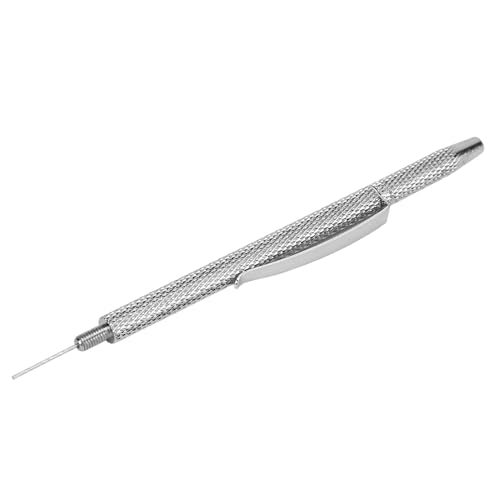

2-in-1 Windshield Washer Jet Cleaning Tool and Adjuster Windshield Clean Tool, Screwed caps house a pointed scribe for cleaning washer jets at one end, finer probe for adjusting position of jets at the other.
Clogged Nozzles
Clogged nozzles frequently block the flow of washer fluid. Dust, dirt, or a buildup of debris can prevent fluid from spraying. To fix this, inspect the nozzles for any visible obstructions. If you notice blockage, use a fine needle or pin to carefully clear the holes. This simple cleaning often restores a steady flow.
Low Fluid Levels
Low fluid levels in the washer reservoir lead to inadequate spraying. Regularly check your fluid levels and refill as needed. If you find the fluid low, pour in more washer fluid. Use a funnel for easy pouring, making sure not to overfill. Keeping the reservoir filled helps maintain optimal performance, especially during rainy weather.
Diagnosing The Problem
You can troubleshoot why your windshield washer fluid isn’t spraying by focusing on a few key areas. Checking the fluid reservoir and inspecting the washer pump often reveals common issues.
Recommended Products

Fitment Work well with most 12V cars with enough size to fit this washer pump. Universal car KEMIMOTO windshield washer is designed to fit most Car UTV ATVs boats and so on

💦 Buyer's Guide: If you buy it you will receive 1pcs 12V windshield washer pump with size 3.04*1.14*0.76 inch and 1pcs rubber grommet. OEM#85330-60190, 85330-AE010, 85330-60180, 85330-21010. Please check the OEM number and compatible models carefully before you place an order to avoid not working properly after purchase.

💦 Buyer's Guide: If you buy it you will receive 1pcs 12V windshield washer pump with size 4.50*1.40*0.76 inch and 1pcs rubber grommet. OEM#22127652, 22127653, 8-6710, 89001122, 89025062, 11-513, 172435. Please check the OEM number and compatible models carefully before you place an order to avoid not working properly after purchase.
Checking The Fluid Reservoir
Check the fluid level in the reservoir regularly. If it’s low or empty, refill it with the appropriate washer fluid. Look for any leaks around the reservoir; a cracked or disconnected hose can cause fluid loss. If you remove the cap and notice a bad smell or thick sludge, clean the reservoir before adding fresh fluid.
Inspecting The Washer Pump
Inspect the washer pump for any malfunctions. You may hear a humming sound when you activate the washer; if not, the pump may be faulty. Verify electrical connections to the pump; loose wiring can prevent it from operating. Testing the pump directly can confirm functionality; disconnect the pump and apply power to see if it operates. If not, consider replacing the pump to restore proper function.
Solutions To Fix The Issue
If your windshield washer fluid isn’t spraying, several solutions can help you resolve this issue effectively.
Recommended Products

HIGH QUALITY MATERIAL: The windshield washer hose kit is made of high quality rubber, soft and elastic, strong and durable.

【What You Get】You will receive a 52-In-1 windshield washer nozzle hose kit to replace your aging windshield sprayer nozzles and washer fluid hose connected to the car water pump. This windshield washer hose repair kit ensures smooth water spray and quick windshield cleaning, keeping you always have a clear view for safe driving. Note: Please check the OEM part number or measure your size before purchasing to make sure it matches.

Package included:2 front windshield nozzles and 2 washers.、1 windshield washer fluid hose 、2 two-way hose connectors (Type I)、 2 three-way hose connectors (type T)、 2 three-way hose connectors (type Y)、one installation tool
Cleaning Clogged Nozzles
Cleaning clogged nozzles removes obstructions that prevent fluid from spraying. Start by inspecting the nozzles for debris or buildup. Use a pin or needle to carefully clear any blockages. After clearing, test the system to check for improved flow. If you notice persistent clogs, consider soaking the nozzles in warm, soapy water for a few minutes, then rinsing them thoroughly.
Refilling Washer Fluid
Refilling washer fluid ensures the reservoir has enough liquid to spray. Open the car’s hood and locate the washer fluid reservoir. Check the fluid level; if it’s below the minimum mark, use a funnel to pour in the appropriate windshield washer fluid until it reaches the correct level. Ensure you use the right type of fluid for your climate—consider fluid with antifreeze features in colder weather to prevent freezing.
Preventive Measures
Taking simple preventive measures can keep your windshield washer fluid system functioning smoothly. Regular checks and seasonal upkeep help avoid unexpected problems.
Regular Maintenance Tips
- Inspect Fluid Levels Regularly: Keep an eye on the washer fluid reservoir. Fill it when levels drop, using the correct type for your climate.
- Clear Nozzles to Prevent Clogs: Use a pin or needle to remove debris from nozzles. Regularly inspect them for blockages that can hinder spray performance.
- Examine Hoses and Connections: Check hoses for cracks or leaks. Ensure connections are secure to maintain proper pressure in the system.
- Test the Washer Pump Periodically: Listen for a humming sound when activating the washer. If you hear it, the pump likely works, but testing it directly ensures it’s functioning well.
- Use Quality Washer Fluid: Select washer fluids suited to your local weather conditions. High-quality fluids resist freezing and enhance cleaning power.
- Prepare for Winter Weather: Switch to a winter-specific washer fluid with antifreeze. This helps prevent freezing in your washer system during colder months.
- Clear Snow and Ice Before Use: Remove accumulated snow and ice from your windshield before activating the washer. This prevents strain on the pump and ensures clear visibility.
- Store Extra Fluid Indoors: Keep additional washer fluid in a temperature-controlled environment to prevent it from freezing. Have a spare ready for any emergencies.
- Inspect the System After Severe Weather: After heavy snowfall or storms, check your washer fluid system for any signs of damage or clogs from debris.
Implementing these preventive measures ensures your windshield washer fluid works effectively, contributing to safe driving conditions.
Conclusion
Getting your windshield washer fluid to spray properly is essential for safe driving. By checking for clogs low fluid levels and pump issues you can often resolve the problem quickly. Regular maintenance and using the right fluid for your climate will help keep everything running smoothly.
Don’t forget to inspect your system after harsh weather to catch any potential issues early. With a little attention and care your windshield washer will be ready to clear your view whenever you need it. Safe travels!
Frequently Asked Questions
What are common reasons windshield washer fluid doesn’t spray?
Windshield washer fluid may not spray due to clogged nozzles, low fluid levels, or a malfunctioning washer pump. Inspecting these components can help identify the issue.
How can I unclog windshield washer nozzles?
To unclog nozzles, use a pin or needle to gently remove debris or buildup. Ensure you do this carefully to avoid damaging the nozzle.
What should I check for if my washer pump makes a humming sound?
If the washer pump is humming, check for electrical connection issues or potential malfunctions within the pump. Testing it directly can confirm if it’s functional.
How do I refill the windshield washer fluid?
To refill washer fluid, locate the reservoir under the hood, open the cap, and pour in the appropriate fluid. Use one suitable for your climate, especially with antifreeze in cold weather.
What maintenance can prevent windshield washer issues?
Regular maintenance includes checking fluid levels, clearing nozzles, examining hoses, and testing the washer pump. Also, ensure you use quality washer fluid that suits your local weather conditions.
