

Have you ever been caught in a downpour only to find your windshield washer fluid won’t spray? It’s frustrating when you need a clear view the most. You might be wondering what went wrong and how to fix it.
In this article, you’ll learn simple steps to get your windshield washer fluid flowing again. Whether it’s a clogged nozzle or an empty reservoir, we’ll help you troubleshoot and resolve the issue quickly. By the end, you’ll be ready to tackle any weather with confidence and a clean windshield.
Key Takeaways
- Understand Your System: Familiarize yourself with the components of your windshield washer fluid system, including the reservoir, pump, hoses, and nozzles, for effective troubleshooting.
- Regular Checks: Consistently check the washer fluid reservoir to ensure it’s filled and inspect for any signs of clogged nozzles or damaged hoses to maintain proper function.
- Diagnosing Issues: Follow a systematic approach—check fluid levels first, then examine nozzles and hoses to identify and address potential problems.
- Step-by-Step Fixes: When troubleshooting, start by priming the system, clearing clogs from nozzles, and flushing lines as necessary to restore fluid flow.
- Maintenance Tips: Implement routine maintenance practices, such as monthly checks and cleaning, to keep the windshield washer system functioning optimally and avoid future issues.
- DIY Washer Fluid: Create your own windshield washer fluid with simple household ingredients, providing an effective and economical solution for cleaning your windshield.
Understanding Windshield Washer Fluid Systems
Windshield washer fluid systems play a crucial role in maintaining clear visibility. Knowing how these systems work helps you troubleshoot issues effectively.
Components of the System
- Washer Fluid Reservoir: Holds the windshield washer fluid. Ensure it’s filled to the recommended level for proper function.
- Pump: Powers the fluid from the reservoir through the hoses to the nozzles. A malfunctioning pump can prevent fluid from reaching the windshield.
- Hoses: Transport the washer fluid from the reservoir to the nozzles. Inspect them for any leaks or blockages.
- Nozzles: Spray the washer fluid onto the windshield. Ensure they are clean and unobstructed for optimal spray patterns.
- Empty Reservoir: Check fluid levels regularly. An empty reservoir prevents any fluid from spraying.
- Clogged Nozzles: Debris and dirt can clog nozzles. Clean them using a pin or needle to restore the spray.
- Damaged Hoses: Inspect hoses for cracks or leaks. Replace any damaged hoses to maintain fluid pressure.
- Broken Pump: A non-functional pump stops fluid from reaching the windshield. Test the pump by activating the system; if it doesn’t work, consider replacing it.
By understanding your windshield washer fluid system, you can tackle common issues easily and keep your visibility clear, rain or shine.
How to Diagnose the Problem
Diagnosing issues with your windshield washer fluid system involves a few straightforward steps. Identifying the cause of the problem helps you resolve it efficiently.
Recommended Products

Durable Quality: The car wash nozzle is made of high-quality materials, sturdy, waterproof and not easily damaged. This nozzle is a good helper for cleaning cars and can effectively extend the service life of the wiper blades.

Package included:2 front windshield nozzles and 2 washers.、1 windshield washer fluid hose 、2 two-way hose connectors (Type I)、 2 three-way hose connectors (type T)、 2 three-way hose connectors (type Y)、one installation tool
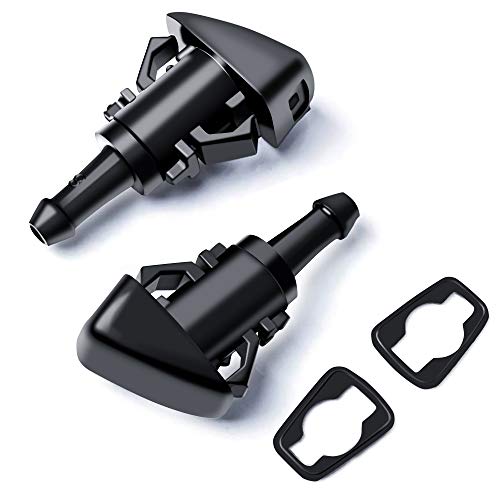
Replace OEM: # 4805742AB, 4805742AC, 5116079AA, 5113049AA, 5303833AA, 55077460AA, 5160308AA
Checking the Fluid Level
- Open the hood of your vehicle.
- Locate the windshield washer fluid reservoir. This is often a translucent container, allowing you to see fluid levels.
- Check the fluid level. If it’s low or empty, refill it with the appropriate washer fluid.
- Reseal the cap tightly after refilling.
Checking the fluid level regularly helps prevent issues before they arise.
- Begin by examining the washer nozzles. They might become clogged with dirt or debris over time.
- Test the nozzles by activating the washer fluid while someone observes if liquid sprays out.
- If no fluid sprays, use a needle or pin to gently clear the nozzle openings.
- Next, check the hoses for any signs of damage or leaks. Look for cracks, tears, or loose connections.
- If you find damaged hoses, replace them with new ones to restore proper functionality.
Regularly inspecting and maintaining the nozzles and hoses ensures a clear line of sight during inclement weather.
Step-by-Step Guide to Get Fluid Flowing
Follow these simple steps to ensure your windshield washer fluid flows smoothly when you need it.
Recommended Products

Professional, premium aftermarket replacement

HANDLE CHEMICALS STEEL PUMPS CAN'T - Polypropylene body, steel plunger rod, and Viton seals safely transfer antifreeze, detergents, windshield fluids, glycerine, mild acids, and most petroleum-based fluids from 55-gallon drums.
Priming the System
- Check the Reservoir: Start by opening the hood and locating the washer fluid reservoir. Ensure it’s filled with the appropriate fluid type, usually a mix of water and washer fluid concentrate.
- Activate the Pump: Turn on your vehicle’s ignition. Press the washer fluid button or pull the stalk towards you, engaging the pump. Listen for the sound of the pump operating. If you hear it but the fluid doesn’t come out, priming may be necessary.
- Manually Prime: If necessary, manually prime the system by removing the hose from the pump. Place the hose into a container, then activate the washer. This helps remove air from the system. Reattach the hose once fluid flows freely.
- Inspect the Nozzles: Check the washer nozzles for clogs. Use a pin or needle to carefully clear any debris. Gently push through the nozzle without damaging it.
- Flush the Lines: If the nozzles are clear and fluid still doesn’t flow, detach the hoses connecting to the nozzles. Use a funnel to pour warm water into the hoses to help dislodge blockages. Reattach the hoses once cleared.
- Examine the Hoses: Inspect all hoses for cracks or damage. Replace any compromised sections to restore functionality. Use automotive-grade hose clamps for secure connections.
By following these steps, you ensure your windshield washer system works effectively, providing a clear view when it matters. Regular maintenance helps avoid future issues and keeps the system in top shape.
Tips for Maintenance
Maintaining your windshield washer fluid system ensures clear visibility and prevents future issues. Follow these practical tips for effective maintenance.
Recommended Products

HIGH QUALITY MATERIAL: The windshield washer hose kit is made of high quality rubber, soft and elastic, strong and durable.

Fitment: Replacement for Chevy 1999-2007 Silverado 1500, 1999-2007 Silverado 2500, 1999-2007 Silverado 3500, 1995-2006 Tahoe, 2004-2009 Colorado, 1992-1999 C1500 C2500 Suburban, 1988-2000 C2500/C3500/K2500/K3500, 1992-1999 K1500 K2500 Suburban

Replaces OEM: #WG-318, 7R33-17664-DA, 7L8Z-17664-A, F6SZ-17664-A, F6SZ-17664-BA, F6SU17664DA, F7C617664AB, 8C3417664AA, 8C3Z17664A, Meets strict OEM standards
Regular Checks and Replacements
Check the windshield washer fluid reservoir monthly. Ensure it’s filled with appropriate fluid and free from contaminants. Inspect hoses for leaks or cracks; replace them if damage is apparent. Test the pump and nozzles regularly. If fluid doesn’t spray out, examine for blockages. Clean or replace nozzles as needed. Perform these checks routinely to keep the system in good working order.
Homemade Washer Fluid Recipes
Make your own washer fluid using simple household ingredients. Combine 1 cup of distilled vinegar, 1 cup of water, and 1 teaspoon of dish soap for an effective solution. Alternatively, mix 1 cup of ammonia with 1 gallon of water. Both recipes clean windshields and prevent freezing in colder months. Store the homemade fluid in a labeled container and refill the reservoir as necessary.
Conclusion
Taking care of your windshield washer fluid system is key to safe driving. Regular maintenance checks can save you from frustrating moments when you need that fluid the most.
Don’t forget to keep an eye on those components and consider whipping up some homemade washer fluid when you’re low. With a little effort you can ensure your visibility stays clear and your driving experience remains enjoyable.
So next time you hit the road make sure your washer fluid’s ready to go. Safe travels!
Frequently Asked Questions
What is the purpose of windshield washer fluid systems?
Windshield washer fluid systems are essential for maintaining clear visibility while driving. They help clean dirt, grime, and debris from the windshield, ensuring safe driving conditions.
What are the key components of a windshield washer system?
The main components of a windshield washer system include the reservoir, pump, hoses, and nozzles. Each part plays a crucial role in delivering washer fluid to the windshield effectively.
How can I troubleshoot common windshield washer issues?
To troubleshoot, first check the fluid level in the reservoir. Then, inspect hoses for blockages or leaks, test the pump for functionality, and ensure that nozzles are not clogged.
How often should I check my windshield washer fluid system?
It’s a good practice to check your windshield washer fluid system regularly, ideally during routine vehicle maintenance or oil changes, to ensure everything is working properly.
Can I make my own windshield washer fluid?
Yes, you can create homemade washer fluid using household ingredients. A simple recipe includes mixing water, vinegar, dish soap, and a small amount of ammonia.
What are some maintenance tips for windshield washer systems?
Regular maintenance tips include checking the reservoir for fluid, inspecting hoses for any leaks, testing the pump, and ensuring the nozzles are clear. Replace any faulty components as needed.
