

Ever found yourself on a rainy day, struggling to see through a dirty windshield? It’s frustrating when your washer fluid runs low, especially when you need it most. Instead of rushing to the store, why not whip up your own washer fluid at home?
Key Takeaways
- Essential Components: Windshield washer fluid consists of water, alcohol, detergent, and optional coloring agents for visibility.
- DIY Solutions: You can create effective washer fluid at home using common ingredients like vinegar, distilled water, and isopropyl alcohol.
- Winter Precautions: For winter months, enhance your DIY formula with vinegar and dish soap to prevent frost on windshields.
- Safe Handling: Always wear gloves and goggles while making washer fluid, and ensure good ventilation to avoid inhaling fumes.
- Proper Storage: Store homemade fluid in cool, dry locations away from direct sunlight, and securely seal containers to maintain efficacy.
Understanding Windshield Washer Fluid
Windshield washer fluid plays a crucial role in maintaining visibility while driving. This fluid helps remove dirt, grime, and debris from your windshield, ensuring a clear view of the road. Understanding its components and functions can help you appreciate its importance.
Recommended Products

Melts ice & frost fast, -34 degrees F protection

EXTREME COLD PROTECTION: Formulated to provide reliable -20°F freeze protection, keeping your windshield washer system functioning in harsh winter conditions

Peace of Mind: Get complete 2-in-1 protection with a Winter De-Icer and Summer Bug Wash that can tackle any condition.
Key Components
- Water: The primary ingredient. It acts as a solvent that dilutes other ingredients.
- Alcohol: Typically isopropyl alcohol or ethanol. This prevents freezing in cold temperatures and aids in cleaning effectively.
- Detergent: This helps break down stubborn dirt and grime on the windshield.
- Coloring Agent: Adds visibility, making it easy to see the fluid level in the reservoir.
Functions of Washer Fluid
- Cleans Windshield: Removes dirt and debris that obstruct your view.
- Prevents Frost: Helps to defrost or de-ice windshields in winter.
- Enhances Safety: Clear visibility promotes safety while driving.
DIY Options
You can easily create your own windshield washer fluid at home. Here’s how:
- Basic Formula: Mix 1 part vinegar with 3 parts water for a simple and effective cleaner.
- For Winter: Combine 1 part vinegar with 2 parts water and add a few drops of dish soap for frost prevention.
- Can I use plain water? You can, but it may not clean effectively and can freeze in winter.
- How often do I need to refill? Check your fluid level regularly, especially before long trips or in harsh weather conditions.
Keep your windshield washer fluid topped off to ensure safe driving conditions.
Ingredients Needed
Creating windshield washer fluid at home requires simple ingredients. You can use items easily found in your home or local store. Here’s a quick guide to the components you’ll need.
Recommended Products

advanced Water beading technology leaves no streaks and is glare free

This item can no be shipped to the state in California, Техаs, Arizona please check with the manufacturer regarding warranty and support issues.

EFFORTLESS CLEANING: Enjoy hassle-free maintenance with ABRO's pre-mixed windshield wiper fluid formula, saving you time and effort in preparing the solution for streak-free clarity.
Common Household Ingredients
- Water: Use distilled water for optimal results. It’s free of minerals that can leave deposits on your windshield.
- Isopropyl Alcohol: This ingredient helps in preventing frost and offers excellent cleaning power. Use a concentration of at least 70%.
- Dish Soap: A few drops of this help break down dirt and grime. Opt for a mild, biodegradable soap to protect the environment.
- Vinegar: This acts as a natural cleaner. For a winter mix, combine it with water in equal parts to enhance the antifreeze properties.
- Camper Antifreeze: This is an effective alternative to prevent freezing in colder temperatures. Look for a non-toxic type to avoid any potential harm.
- Essential Oils: For fragrance, consider adding a few drops of essential oil like lemon or eucalyptus. This adds a pleasant scent without affecting cleaning properties.
- Food Coloring: If you prefer colored fluid, add a few drops of food coloring. This gives the fluid a more vibrant appearance.
By using these ingredients, you’ll ensure your windshield remains clean and clear, enhancing your safety on the road.
Step-By-Step Guide
Making your own windshield washer fluid is simple and effective. Follow these steps to create it at home easily.
Recommended Products
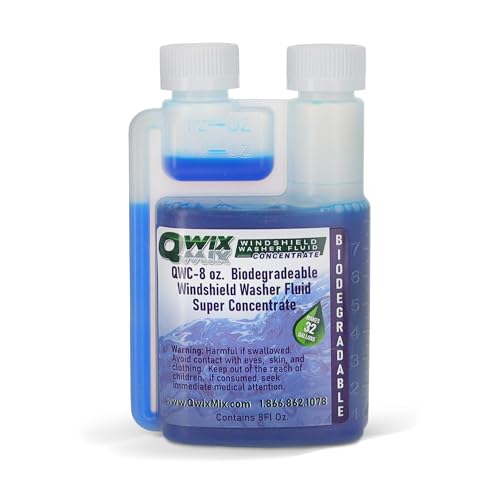
[Super Concentrated Savings] Qwix Mix windshield washer fluid concentrate makes up to 55 gallons of premium windshield washer fluid from one 8 oz bottle, saving money versus pre-mixed windshield washer fluids

SUPER CONCENTRATED WASHER FLUID: 16 fl oz washer fluid bottle makes 165 gallons of summer blend washer fluid. Just pump three times per gallon of water, directly into your windshield washer fluid tank.

One bottle of aqua charge makes 55 gallons of premium washer fluid
DIY Method
- Gather Ingredients: You’ll need distilled water (1 gallon), isopropyl alcohol (1 cup), and a few drops of dish soap. Optional ingredients include vinegar (1/2 cup) for extra cleaning power and food coloring for visibility.
- Mix Components: In a clean container, combine the distilled water and isopropyl alcohol. Add dish soap, and if desired, the vinegar. Stir gently to avoid excess foam.
- Check Consistency: Ensure the mixture is uniform. If you added food coloring, it should be well mixed but not overly tinted.
- Transfer to Reservoir: Carefully pour the mixture into your car’s windshield washer fluid reservoir.
- Test Functionality: Activate your windshield wipers to check fluid distribution. Adjust the mixture as needed based on visibility conditions.
- Select Concentrate Type: Choose a windshield washer fluid concentrate appropriate for the season—summer or winter mixes are available.
- Dilution Instructions: Follow the manufacturer’s instructions for dilution. Typically, mix one part concentrate with two or three parts water.
- Mix Thoroughly: In a container, combine concentrate and water. Stir or shake to ensure a consistent solution.
- Fill Your Reservoir: Pour the prepared fluid into the windshield washer fluid reservoir.
- Function Test: Check the effectiveness by activating your wipers. Adjust concentration based on your preferences for cleaning power.
By following these steps, you ensure a clean windshield for optimal visibility in all driving conditions.
Tips for Proper Storage
- Choose a Cool Location: Store windshield washer fluid in a cool, dry place. Heat can degrade the fluid’s effectiveness.
- Seal Containers Tightly: Always close the container securely after use. This prevents contamination and evaporation.
- Label Your Containers: Clearly label homemade and store-bought fluids. Include the date and ingredients for future reference.
- Avoid Direct Sunlight: Keep the fluid away from direct sunlight to protect its components from breaking down.
- Store Beyond Reach of Children: Keep stored washer fluid out of reach of children and pets to ensure safety.
- Check for Expiry Dates: Regularly check commercial washer fluid for expiry dates. Discard any that are past their prime.
- Use Temperature-Resistant Containers: Select containers made from materials that tolerate temperature changes. This minimizes risk of leakage or breakage.
- Maintain Consistency: If making washer fluid at home, ensure consistent mixing and storage conditions for best results. Store a small amount in your vehicle for easy access during travel.
Incorporating these tips ensures your windshield washer fluid remains effective, providing optimal performance for your driving needs.
Safety Precautions
Handling materials for homemade windshield washer fluid requires care. Follow these safety measures to ensure your well-being.
- Wear Gloves: Always wear protective gloves to shield your skin from potential irritants. This keeps harmful substances from direct contact.
- Use Eye Protection: Protect your eyes with safety goggles. If any fluid splashes, it prevents irritation and damage.
- Work in a Ventilated Area: Make your fluid in a well-ventilated space. Adequate airflow reduces inhalation risks of any fumes released during mixing.
- Store Properly: Keep all ingredients in tightly sealed containers. This prevents spills and minimizes accidental exposure.
- Label Materials: Clearly label all containers with their contents. Avoid confusion by identifying each substance to ensure safe handling.
- Keep Away from Children: Store all materials safely out of reach of children. This prevents accidental ingestion or misuse.
- Dispose Responsibly: Dispose of any leftover fluid or containers properly. Check local regulations on hazardous waste to avoid environmental harm.
By following these precautions, you create a safe environment while preparing your homemade windshield washer fluid.
Conclusion
Making your own windshield washer fluid is not only a smart way to save money but also a fun DIY project. By following the tips and precautions shared, you can ensure your fluid is effective and safe for both you and the environment.
Remember to store your homemade fluid properly to keep it fresh and ready for use whenever you need it. Keeping a small amount in your vehicle is a great way to stay prepared on the road.
With a little effort you can enjoy clear visibility and a safer driving experience. So go ahead and whip up your own washer fluid and hit the road with confidence!
Frequently Asked Questions
What is windshield washer fluid and why is it important?
Windshield washer fluid is a liquid designed to clean your vehicle’s windshield, enhancing visibility while driving. It helps remove dirt, grime, and frost, ensuring safer driving conditions by maintaining clear glass.
Can I use plain water instead of windshield washer fluid?
Using plain water is not recommended as it can freeze in cold temperatures, damaging your washer system. It also lacks the cleaning agents found in proper washer fluids, which are essential for effective cleaning.
What homemade options can I use for windshield washer fluid?
You can make windshield washer fluid using a mixture of water, vinegar, and a few drops of dish soap. Another option is mixing water with isopropyl alcohol. Both alternatives can help clean your windshield effectively.
How should I store windshield washer fluid?
Store windshield washer fluid in a cool, dark place, away from direct sunlight. Ensure containers are tightly sealed, labeled clearly, and out of children’s reach. Always check for expiry dates and maintain consistency in mixing.
What safety precautions should I take when making homemade washer fluid?
When preparing homemade washer fluid, wear gloves and eye protection. Work in a well-ventilated area, store ingredients safely, label containers, and keep all materials out of reach of children. Dispose of any leftover fluid responsibly.
How can I ensure homemade washer fluid is safe?
To ensure safety, use food-safe or chemical-resistant containers and avoid mixing different chemicals unless specified. Always follow recommended recipes closely and do not use fluids that may cause negative reactions with car materials.
