

Have you ever pressed that washer fluid button only to be met with silence? It’s a frustrating situation that can leave your windshield dirty and your visibility compromised. You’re not alone—many drivers face this annoying issue at some point.
Key Takeaways
- Common Causes: Identify the primary reasons for washer fluid issues, including clogged nozzles and low fluid levels.
- Fluid Level Checks: Regularly check your washer fluid reservoir to ensure it’s above the minimum level for optimal performance.
- Inspect Hoses: Look for damage or disconnections in hoses that could impede the flow of washer fluid.
- Cleaning Techniques: Use a pin or wire to clear clogged nozzles and consider soaking them in warm, soapy water if needed.
- Preventive Maintenance: Schedule monthly checks for fluid levels and perform seasonal maintenance to avoid future problems.
- Use the Right Fluid: Always use washer fluid suitable for your vehicle’s climate to ensure effective cleaning.
Common Reasons For Washer Fluid Issues
Washer fluid not coming out can stem from several common issues. Understanding these can help you troubleshoot effectively.
Recommended Products

Durable Quality: The car wash nozzle is made of high-quality materials, sturdy, waterproof and not easily damaged. This nozzle is a good helper for cleaning cars and can effectively extend the service life of the wiper blades.

Package included:2 front windshield nozzles and 2 washers.、1 windshield washer fluid hose 、2 two-way hose connectors (Type I)、 2 three-way hose connectors (type T)、 2 three-way hose connectors (type Y)、one installation tool
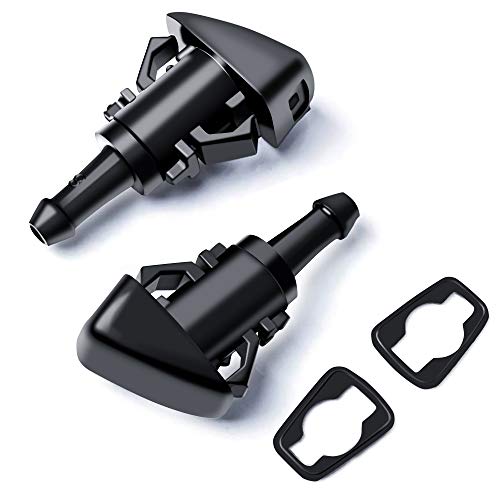
Replace OEM: # 4805742AB, 4805742AC, 5116079AA, 5113049AA, 5303833AA, 55077460AA, 5160308AA
Clogged Nozzles
Clogged nozzles often hinder fluid flow. Dirt and debris can accumulate in the nozzles, obstructing the spray. Regularly inspect the nozzles for blockages. If you spot any, cleaning them with a fine wire or pin can restore function. Additionally, using a soft brush or compressed air works well for clearing away stubborn clogs.
Low Washer Fluid Level
Low washer fluid levels prevent fluid from being sprayed. Check the washer fluid reservoir regularly; it should be filled to the indicated level. If it’s low, refill it with the appropriate washer fluid for your vehicle. Ensure you’re using the correct type, as some fluids may not work effectively in all climates.
Diagnosing The Problem
When washer fluid doesn’t spray, you can quickly diagnose the issue using a few straightforward checks.
Recommended Products

HIGH QUALITY MATERIAL: The windshield washer hose kit is made of high quality rubber, soft and elastic, strong and durable.

EASY INSTALLATION & REPLACEMENT: Replace damaged windshield washer hoses anytime — even traveling or in emergencies; connect the water pump and windshield nozzle easily to restore smooth water spray, no special tools needed

Windshield Washer Hose Repair Kit -- The washer hose kit is easy to replace and install. Windshield washer hose kits help you easily and quickly replace aging hoses and properly connect your car's water pump to the windshield nozzle to ensure smooth water spraying and glass cleaning. You can replace the new windshield wiper hose repair kit by yourself to save money for your loved automotive car.
Checking Fluid Level
First, check the washer fluid reservoir. Open the hood of your vehicle and locate the reservoir, usually marked with a windshield/water icon. Ensure that the fluid is above the minimum level mark. If it’s low, refill it with the appropriate washer fluid. Use a solution designed for your climate, especially during winter months to prevent freezing.
Inspecting Hoses
Next, inspect the hoses connected to the washer fluid system. Look for any signs of disconnection or damage. Pinch or twist the hose slightly to see if fluid flows through; if not, there might be a blockage or a leak. If the hoses appear cracked or worn, consider replacing them. Checking for secure connections is also crucial; loose fittings can cause fluid to leak or impede spray action.
Solutions To Fix Washer Fluid Problems
When washer fluid won’t come out, various solutions can get you back to clear visibility. Here are effective methods to resolve common issues.
Recommended Products

This item can no be shipped to the state in California, Техаs, Arizona please check with the manufacturer regarding warranty and support issues.

Efficient Cleaning with Complete adjustable Windshield Washer Nozzle Kit: This windshield washer nozzle kit is designed to help you maintain a clear driving view by efficiently spraying washer fluid across your windshield. Whether it's dirt, fog, or snow, these upgraded windshield sprayer nozzles help restore visibility quickly. The kit includes durable Windshield Fluid Hose and multiple hose connectors, ensuring stable water delivery with no leaks

Complete Washer System Solution - 10-piece kit includes: 1 nozzle cleaner tool, 5 stainless steel needles for spray jet cleaning, and 5 nylon brushes designed to clean washer hoses, tubes, and fluid lines; tackles blockages and buildup throughout your entire windshield washer system, not just the nozzles
Cleaning Clogged Nozzles
Cleaning clogged nozzles can restore proper spray functionality. Start by inspecting the nozzles for any visible debris. If you see obstructions, use a pin or wire to gently clear the blockage. Follow these steps:
- Locate the Nozzles: Check the hood area near the windshield.
- Examine for Clogs: Look for dirt or residues blocking the openings.
- Use a Pin or Wire: Insert it carefully into the nozzle to clear debris.
- Test the System: After cleaning, activate the washer to see if fluid sprays correctly.
If nozzles remain clogged, consider soaking them in warm, soapy water for around 10 minutes. This can dissolve stubborn residues.
Replacing Damaged Hoses
Replacing damaged hoses is crucial for ensuring fluid flow. Hoses can crack, wear out, or get punctured over time. Here’s how to check and replace them:
- Inspect the Hoses: Look for cracks, leaks, or loose connections along the hose from the reservoir to the nozzles.
- Identify Problem Areas: If you notice any damage, mark those sections for replacement.
- Gather Tools: Use pliers, scissors, and possibly a hose clamp for the replacement.
- Remove the Old Hose: Disconnect the damaged hose at both ends and pull it off.
- Install the New Hose: Attach the new hose securely, making sure it fits snugly at both connections.
- Test the System: Once installed, fill the reservoir with washer fluid and check for leaks when you activate it.
Regular maintenance, such as inspecting hoses every few months, can prevent future issues.
Preventive Maintenance Tips
Keeping your washer fluid system in good shape helps ensure clear visibility on the road. Here are some practical maintenance tips to prevent issues.
Regular Fluid Checks
Check your washer fluid level monthly. Make sure the reservoir stays full to avoid running out when you need it most. If you notice low fluid levels frequently, inspect for leaks in hoses or the reservoir. Regularly use the correct type of washer fluid, as not all fluids are equal. Look for products specifically designed for your vehicle’s climate, as they can offer better performance in extreme temperatures.
Seasonal Maintenance
Perform seasonal checks before winter and summer. In winter, use antifreeze washer fluid to prevent freezing and ensure your system works in cold conditions. In summer, make sure the fluid can handle the added dirt and pollen. Inspect the nozzles for clogs, especially after long periods of inactivity. Clean the nozzles with warm, soapy water or a small pin to remove any debris that could affect performance.
Conclusion
Getting your washer fluid to work again can be a simple fix with a little troubleshooting. By checking for clogs and ensuring you’ve got enough fluid, you can quickly restore visibility and safety on the road.
Don’t forget that regular maintenance can save you from future headaches. Keeping an eye on fluid levels and using the right type of washer fluid will help keep your system in top shape.
With a bit of attention, you’ll be ready to tackle any weather and keep your windshield clear. Happy driving!
Frequently Asked Questions
Why does my washer fluid not spray?
Washer fluid may not spray due to clogged nozzles, low fluid levels, or a malfunctioning pump. Start by checking the fluid level and ensuring the nozzles are clean. If the problem persists, inspect the pump for faults and consider replacing it if necessary.
How do I clean clogged washer fluid nozzles?
To clean clogged nozzles, use a wire or a pin to gently poke through the nozzle holes. Be careful not to damage the nozzle. After clearing, run the washer fluid to ensure it sprays properly again.
What type of washer fluid should I use?
Always use washer fluid recommended for your vehicle. Choose a product that fits seasonal needs, like antifreeze washer fluid in winter and one effective against dirt and pollen in summer for optimal performance.
How can I prevent washer fluid issues?
Preventive maintenance includes regularly checking fluid levels, keeping nozzles clean, and using the correct type of fluid. Additionally, perform seasonal checks before winter and summer to ensure the system is ready for specific weather challenges.
Why is winter washer fluid important?
Winter washer fluid is crucial because it contains antifreeze, which prevents the fluid from freezing in cold temperatures. This ensures the system remains functional for clear visibility during icy conditions.
