

Have you ever turned on your windshield wipers only to be met with a streaky mess? It’s frustrating when your washer fluid isn’t doing its job. Keeping your windshield washer fluid clean is essential for clear visibility and safe driving.
Key Takeaways
- Importance of Clean Washer Fluid: Regularly maintaining clean windshield washer fluid is crucial for clear visibility and safe driving, especially during adverse weather conditions.
- Identify Common Contaminants: Understand that dust, leaves, bacteria, mold, and stale fluid can compromise the quality of your washer fluid, leading to reduced effectiveness.
- Step-by-Step Cleaning Process: Follow a clear procedure to keep the washer fluid system clean, including draining old fluid, rinsing the reservoir, and using mild soap for cleaning.
- Best Maintenance Practices: Always use high-quality washer fluid, check fluid levels regularly, and clean nozzles to ensure optimal performance.
- Seasonal and Trip Checks: Conduct seasonal checks and clean the fluid system after long trips to prevent accumulation of contaminants.
- Troubleshoot Issues: Watch for signs of dirty fluid, such as streaking and unpleasant odors, and take prompt action to clear clogged nozzles to maintain optimal fluid performance.
Understanding Windshield Washer Fluid
Windshield washer fluid plays a crucial role in maintaining visibility while driving. Keeping it clean ensures that your windshield remains clear and free from streaks or smudges.
Importance of Clean Washer Fluid
Clean washer fluid effectively removes dirt, grime, and insects from your windshield. Streaks or residues from dirty fluid can obstruct your view, especially in adverse weather conditions. Clear visibility is essential for safe driving. Regularly checking and cleaning your washer fluid helps ensure optimal performance of your wipers and enhances your overall driving experience.
Common Contaminants in Washer Fluid
Several contaminants can compromise the quality of washer fluid:
- Dust and Dirt: These particles often collect in the washer reservoir, affecting fluid purity.
- Leaves and Debris: Organic matter can clog the system and lead to malfunction.
- Bacteria and Mold: Warm conditions promote bacterial growth, which can create foul odors and reduce fluid effectiveness.
- Old Fluid: Stale fluid loses its cleaning properties, making it less effective at clearing the windshield.
Monitoring these contaminants and understanding their impact allows you to take proactive measures to keep your washer fluid clean and effective.
Steps to Clean Windshield Washer Fluid
Keeping your windshield washer fluid clean is crucial for optimal visibility while driving. Follow these steps to ensure your washer fluid system remains in top shape.
Recommended Products

🚗This product OE/OEM part number: 13227300 is a direct replacement for the replaced part numbers: 13227300, 12767700, 12788573, 19172571. perfect replacement. Note: Models that are not within the description range. Please do not purchase

Compatible with Chevy: For Chevry Camaro 2010-2021, Equinox 2010-2020, Cruze Volt 2011-2016, Sonic 2012-2020, Malibu 2013-2021, Corvette 2014-2021, Impala 2014-2020, Silverado 1500 14-16 18-20, Colorado 2015-2021, Silverado 2500HD 15-16 18-21, Silverado 3500HD 15-16 18-21, Suburban Tahoe 15-20, Trax 2015-2021, Spark 16-21 washer fluid reservoir cap

Fitment Work well with most 12V cars with enough size to fit this washer pump. Universal car KEMIMOTO windshield washer is designed to fit most Car UTV ATVs boats and so on
Gather Necessary Supplies
- New Washer Fluid: Use a quality windshield washer fluid that suits your climate.
- Funnel: A funnel helps prevent spills during refilling.
- Container: An empty container is needed for draining old fluid.
- Cleaning Materials: Use mild soap, water, and towels for cleaning the reservoir.
Drain the Old Fluid
- Locate the Reservoir: Find the windshield washer fluid reservoir under the hood, typically near the windshield.
- Prepare for Draining: Place your container under the reservoir’s drain or funnel opening.
- Open the Drain: If your reservoir has a drain plug, remove it to drain the old fluid. If not, carefully tip the reservoir to pour the old fluid into the container.
- Dispose Properly: Dispose of the old washer fluid according to local regulations. Many disposal sites accept used fluids.
- Rinse with Water: After draining, rinse the reservoir with clean water to remove residue.
- Add Soap: Mix a small amount of mild soap with water. Use it to scrub inside the reservoir gently.
- Rinse Thoroughly: Rinse the reservoir several times with clean water to ensure no soap remains.
- Dry with Towels: Wipe the inside with a clean towel to remove excess moisture before refilling.
These steps help ensure your windshield washer system operates effectively, giving you clear visibility and a safer driving experience.
Maintaining Clean Washer Fluid
Maintaining clean washer fluid is essential for effective visibility and safe driving. Regular maintenance ensures your windshield washer system operates smoothly, enhancing your overall experience on the road.
Recommended Products

SUPER CONCENTRATED WASHER FLUID: 16 fl oz washer fluid bottle makes 165 gallons of summer blend washer fluid. Just pump three times per gallon of water, directly into your windshield washer fluid tank.
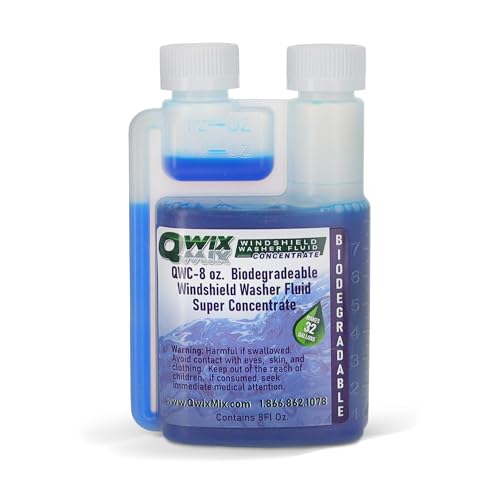
[Super Concentrated Savings] Qwix Mix windshield washer fluid concentrate makes up to 55 gallons of premium windshield washer fluid from one 8 oz bottle, saving money versus pre-mixed windshield washer fluids

Windshield washer: 1 piece of concentrated cleaning tablet is equivalent to 1.05 gallon of glass cleaning fluid, with strong cleaning power, can easily clean the dust and stains on your windshield, make the windshield clean, and ensure the driving safety of the car
Best Practices for Usage
- Use Quality Fluid: Always opt for high-quality washer fluid designed for your vehicle. Cheap alternatives can reduce effectiveness.
- Check Levels Regularly: Monitor fluid levels routinely. Keeping your reservoir full avoids running on empty, which can lead to dirty or contaminated fluid being used.
- Clean Nozzles: Ensure washer nozzles are free from dirt and debris. Clear nozzles ensure an even spray for maximum cleaning efficiency.
- Avoid Non-Compatible Additives: Never mix washer fluid with other chemicals or water. This could lead to chemical reactions that degrade the fluid’s performance.
- Seasonal Checks: Clean and replace washer fluid at the beginning of each season. Weather conditions can change the type and amount of contaminants on your windshield.
- After Long Trips: Clean the system after extended road trips. Extra dust and grime accumulate during travel, leading to dirty fluid.
- Observe Performance: If you notice streaking or reduced effectiveness, clean the fluid system immediately. Prompt attention improves visibility and safety.
- Monthly Inspections: Conduct monthly checks on your washer fluid system, especially during rainy or winter seasons. This proactive approach keeps the system in peak condition.
Troubleshooting Washer Fluid Issues
You might encounter problems with your windshield washer fluid system despite maintaining it properly. Recognizing issues early can help you resolve them quickly.
Recommended Products

HIGH QUALITY MATERIAL: The windshield washer hose kit is made of high quality rubber, soft and elastic, strong and durable.

Package included:2 front windshield nozzles and 2 washers.、1 windshield washer fluid hose 、2 two-way hose connectors (Type I)、 2 three-way hose connectors (type T)、 2 three-way hose connectors (type Y)、one installation tool

Efficient Cleaning with Complete adjustable Windshield Washer Nozzle Kit: This windshield washer nozzle kit is designed to help you maintain a clear driving view by efficiently spraying washer fluid across your windshield. Whether it's dirt, fog, or snow, these upgraded windshield sprayer nozzles help restore visibility quickly. The kit includes durable Windshield Fluid Hose and multiple hose connectors, ensuring stable water delivery with no leaks
Identifying Signs of Dirty Fluid
Watch for several indicators that reveal dirty washer fluid.
- Streaking on Windshield: If you notice streaks or smudges after using your washer system, the fluid may be dirty.
- Weak Spray: A reduced spray can signal contamination in the fluid.
- Unpleasant Odor: A foul smell indicates bacterial growth or degradation of the fluid.
- Color Changes: Discoloration from clear to murky hues suggests the fluid is no longer effective.
Checking for these signs regularly can prevent visibility issues on the road.
Solutions for Clogged Nozzles
Clogged nozzles can hinder the performance of your washer system.
- Inspect and Clean: Use a pin or needle to gently clear any debris from the nozzle openings.
- Flush the System: Fill the reservoir with clean water, then activate the system to flush out dirt and contaminants.
- Use Vinegar Solution: Mix equal parts water and vinegar, spray through the nozzles to break down build-up, and rinse with clean water.
- Check for Obstructions: Ensure there are no kinks or blockages in the hose leading to the nozzles.
Acting promptly keeps your washer fluid system functioning, ensuring a clear view while driving.
Conclusion
Keeping your windshield washer fluid clean is essential for safe driving. By following the steps outlined and staying proactive with maintenance you can ensure clear visibility in any weather. Remember to use quality fluid and check your system regularly to avoid any surprises on the road.
If you notice any issues like streaking or weak spray don’t hesitate to troubleshoot. A little attention goes a long way in keeping your windshield clear and your driving experience safe. So grab that bottle of cleaner and get started on making your windshield washer system the best it can be!
Frequently Asked Questions
Why is clean windshield washer fluid important?
Maintaining clean windshield washer fluid is crucial for optimal visibility and safe driving. Dirty fluid can cause streaks, reduce visibility, and may even damage your windshield over time.
How often should I check my windshield washer fluid?
You should check your windshield washer fluid levels regularly, ideally every month. If you use your washer frequently or drive in harsh conditions, check it more often.
What are signs I need to clean my windshield fluid?
Signs include streaking on the windshield, a weak spray from the nozzles, an unpleasant odor, or unusual color changes in the fluid.
How do I clean clogged washer fluid nozzles?
To clean clogged nozzles, inspect them for obstructions, carefully clean with a pin, flush the system with clean water, or use a vinegar solution to dissolve any buildup.
Can I use regular water in my washer fluid reservoir?
While you can use water in a pinch, it’s not recommended long-term. Windshield washer fluid contains detergents and antifreeze, which help maintain optimal performance and prevent freezing in colder temperatures.
