

Have you ever found yourself running low on washer fluid and wondered if you could just use water instead? You’re not alone. Many drivers face this dilemma, especially when they’re in a pinch and need a quick fix to keep their windshields clear.
In this article, we’ll explore whether adding water to your washer fluid is a smart choice or a risky move. You’ll learn about the pros and cons, and how it might affect your vehicle’s performance. By the end, you’ll have the knowledge to make an informed decision and keep your windshield sparkling clean without any worries.
Key Takeaways
- Washer Fluid Importance: Proper washer fluid is essential for visibility, effective cleaning, and preventing damage to your windshield and wipers.
- Adding Water: While you can add water to your washer fluid reservoir, it lacks the necessary cleaning agents and can freeze in cold weather, leading to potential damage.
- Pros and Cons: Using water can be cost-effective and convenient in emergencies, but it may result in ineffective cleaning and streaking on your windshield.
- Alternative Solutions: Consider store-bought washer fluids with formulations for winter or specific conditions, or create DIY recipes tailored to your needs for better results.
- Maintenance Practices: Change washer fluid regularly, check levels before trips, and store fluid properly to ensure optimal performance and safety while driving.
- Seasonal Adjustments: Be mindful of seasonal changes that may require different washer fluid formulations to maintain effective cleaning and protection.
Understanding Washer Fluid
Washer fluid is essential for maintaining a clear view while driving. It helps remove dirt, grime, and debris from your windshield, improving safety and visibility.
What Is Washer Fluid?
Washer fluid is a specially formulated liquid used in vehicle windshield washer systems. It often contains a blend of water, detergents, and antifreeze agents. These components work together to clean the windshield and prevent freezing in cold temperatures. Unlike plain water, washer fluid is designed specifically for effective cleaning and protection.
Importance of Washer Fluid
Washer fluid plays a crucial role in vehicle maintenance. Here are the key reasons why it remains important:
- Visibility: Clean windshields reduce glare and improve overall safety during driving, especially in adverse weather.
- Prevent Damage: Proper washer fluid prevents streaking and scratches on the windshield.
- Efficient Cleaning: The detergent in washer fluid removes tough residues like road grime, insect remains, and salt more effectively than water.
- Protection Against Freezing: Many washer fluids have antifreeze properties that keep the solution from freezing in the reservoir during cold weather.
Keeping your washer fluid filled and choosing the right product supports your vehicle’s performance and your safety on the road.
Can I Put Water in Washer Fluid?
You can add water to your washer fluid reservoir, but it comes with both benefits and drawbacks. Understanding these can help you make the best choice for maintaining your vehicle’s windshield clarity.
Recommended Products

Windshield washer: 1 piece of concentrated cleaning tablet is equivalent to 1.05 gallon of glass cleaning fluid, with strong cleaning power, can easily clean the dust and stains on your windshield, make the windshield clean, and ensure the driving safety of the car.

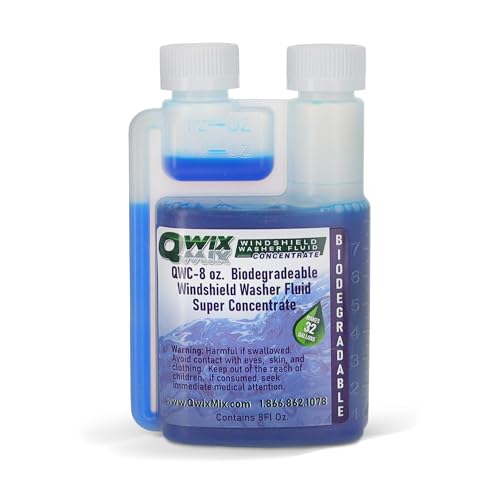
[Super Concentrated Savings] Qwix Mix windshield washer fluid concentrate makes up to 55 gallons of premium windshield washer fluid from one 8 oz bottle, saving money versus pre-mixed windshield washer fluids
Pros of Adding Water
- Cost-Effective: Water is inexpensive and easy to find. Using it for short-term needs can save you money on washer fluid.
- Dilution of Concentrate: If you’re running low on washer fluid, adding water can dilute concentrated fluid, allowing it to last longer.
- Availability: Water is readily available, especially during emergencies. Filling the reservoir with water ensures you have some cleaning ability when you can’t get to a store.
- Ineffective Cleaning: Plain water lacks the detergents and surfactants found in washer fluid, which are essential for breaking down and removing grime, dirt, and grease effectively.
- Freezing Risk: In cold weather, water can freeze, leading to blockages and damage within the washer fluid system. It’s better to use washer fluid that contains antifreeze agents for winter conditions.
- Streaking: Water can leave streaks and residues on your windshield, compromising visibility rather than enhancing it. Using proper washer fluid helps prevent this issue.
- Reduced Protection: Standard washer fluid offers UV protection and helps preserve wiper blades. Relying on water alone can accelerate wear and tear on your vehicle’s wipers.
Alternative Solutions
While using water can be a quick fix, alternative solutions exist for maintaining optimal visibility on the road. These options ensure your windshield washer system operates effectively.
Recommended Products

advanced Water beading technology leaves no streaks and is glare free

This item can no be shipped to the state in California, Техаs, Arizona please check with the manufacturer regarding warranty and support issues.

EFFORTLESS CLEANING: Enjoy hassle-free maintenance with ABRO's pre-mixed windshield wiper fluid formula, saving you time and effort in preparing the solution for streak-free clarity.
Store-Bought Washer Fluids
Store-bought washer fluids come in various formulations tailored for specific conditions. These fluids typically include antifreeze agents for cold weather, special cleansers for tough grime, and additives to reduce streaking.
- Winter Formulas: Designed to prevent freezing, these fluids keep your wipers functionally and your windshield clear in icy conditions.
- All-Season Fluids: Ideal for regular weather conditions, these formulas offer a balance of cleaning power and protection against dirt and debris.
- Specialized Fluids: Available for particular needs, such as bug remover or water-spot removers, these options provide targeted solutions for common driving challenges.
Store-bought washer fluids provide consistent performance across seasonal changes, ensuring you’re always ready for the road.
DIY Washer Fluid Recipes
Creating your own washer fluid lets you customize the solution to your needs, often at a lower cost. Here are two simple recipes:
- Basic DIY Recipe:
- Mix 1 part distilled water with 1 part isopropyl alcohol.
- Add a few drops of dish soap.
- Shake to combine.
- Winter Solution:
- Combine 3 parts distilled water with 1 part isopropyl alcohol.
- Add a few drops of dish soap.
- This mixture helps prevent freezing while cleaning effectively.
Using DIY washer fluid saves money while allowing for flexibility depending on your local climate conditions. Just ensure that ingredients are safe for your vehicle’s system.
Best Practices for Washer Fluid Maintenance
Maintaining washer fluid ensures optimal performance and safety while driving. Here are key practices to keep in mind.
Recommended Products

SUPER CONCENTRATED WASHER FLUID: 16 fl oz washer fluid bottle makes 165 gallons of summer blend washer fluid. Just pump three times per gallon of water, directly into your windshield washer fluid tank.

Trusted Formula for Over 30 Years: Kristall Klar has been the choice for those who want a crystal clear view of the road ahead without the streaks and smears typical of standard washer fluids

Windshield washer: 1 piece of concentrated cleaning tablet is equivalent to 1.05 gallon of glass cleaning fluid, with strong cleaning power, can easily clean the dust and stains on your windshield, make the windshield clean, and ensure the driving safety of the car
When to Change Washer Fluid
Change washer fluid every six months or as needed, based on usage. If the fluid becomes cloudy or has particles, it’s time for a change. Check fluid levels regularly, especially before long trips. If you encounter reduced cleaning power, consider refilling with fresh fluid. Note that seasonal changes may require different formulations—winter blends for colder months, for instance.
How to Properly Store Washer Fluid
Store washer fluid in a cool, dry place to prevent degradation. Ensure the cap is tightly sealed to keep contaminants out. Avoid direct sunlight, which can break down the fluid’s additives. Always check the expiration date on commercial solutions, as efficacy decreases over time. If you create DIY solutions, label the containers with the date made and the ingredients used for easy reference.
Conclusion
Using water in your washer fluid can be tempting for a quick fix but it’s important to weigh the pros and cons. While it might save you a few bucks in the short term it can compromise your visibility and the overall effectiveness of your cleaning solution.
Sticking to proper washer fluid not only keeps your windshield clear but also helps maintain your vehicle’s health. Remember to check your fluid regularly and replace it as needed to ensure you’re driving safely. So next time you’re low on washer fluid consider the long-term benefits of using the right solution for your vehicle. Your safety on the road depends on it.
Frequently Asked Questions
What is washer fluid, and why is it important?
Washer fluid is a specially formulated liquid used in vehicles to clean windshields and maintain clear visibility. It helps remove dirt, grime, and road debris, ensuring safe driving conditions. Regular use of washer fluid is crucial for effective windshield cleaning and driver safety.
Can I use water instead of washer fluid?
While adding water to washer fluid can be cost-effective, it may reduce cleaning effectiveness and provide less protection against freezing temperatures. It’s best to use proper washer fluid for optimal performance, especially in extreme weather conditions.
How often should I change my washer fluid?
You should change your washer fluid every six months or whenever it becomes cloudy or less effective. Regular maintenance ensures your windshield remains clear and provides safety while driving.
What is the best way to store washer fluid?
Store washer fluid in a cool, dry place with a tightly sealed cap. This helps prevent degradation and maintains the fluid’s effectiveness for longer periods.
Do I need different washer fluid for different seasons?
Yes, you may need different washer fluid formulations for seasonal changes. For colder months, using a winter blend helps prevent freezing, while warmer months may require a more traditional cleaner.
How can I make DIY washer fluid?
To make your own washer fluid, mix water with a few drops of dish soap and a touch of rubbing alcohol. Label the solution with the ingredients and date made for easy reference, ensuring it’s cost-effective and customizable.
