

Have you ever found yourself in a bind, wondering if you can use transmission fluid in your power steering system? You’re not alone. Many car owners face this dilemma, especially when they’re low on power steering fluid and need a quick fix.
Using the wrong fluid can lead to costly repairs and headaches down the road. This article will help you understand the differences between transmission fluid and power steering fluid, so you can make informed decisions for your vehicle. By the end, you’ll know exactly what to do when you’re in a pinch, ensuring your car runs smoothly and efficiently.
Key Takeaways
- Using transmission fluid in your power steering system is not recommended; it can lead to reduced performance and potential damage.
- Power steering fluid is specifically formulated for the unique needs of steering systems, while transmission fluid serves different purposes in vehicle transmissions.
- Common signs of low power steering fluid include hard steering, unusual noises, and visible fluid leaks.
- Always refer to your vehicle’s owner manual to identify the correct type of fluid needed for both power steering and transmission systems.
- In emergencies, you may use universal or synthetic power steering fluids as alternatives, but they are not substitutes for manufacturer-recommended fluids.
- Regular maintenance and proper fluid checks can enhance the longevity and functionality of your power steering system, preventing costly repairs.
Understanding Power Steering Systems
Power steering systems help drivers steer their vehicles with ease. Typically, these systems use hydraulic pressure generated by a pump. The pump requires fluid to operate correctly. That fluid is specifically formulated for power steering.
Recommended Products

For use in 95% of vehicles including most CVTs in operation with US registered light duty applications

Genuine OEM Toyota Transmission Fluid

ALL ASIAN CAR COVERAGE: Fully compatible with all Asian vehicles, including Subaru, Honda, Toyota, Lexus, Acura, Nissan, Kia, Mitsubishi and many others.
Types of Power Steering Fluid
- Dexron III/Mercon: Many vehicles use this type, often found in GM and Ford models.
- ATF (Automatic Transmission Fluid): Some systems can utilize ATF, but confirmation from the owner’s manual is essential.
- Specialized Fluids: Certain cars require proprietary fluids to maintain efficiency and avoid damage.
Common Components
- Power Steering Pump: Creates pressure to assist steering effort.
- Hoses: Carry fluid between the pump and steering gear.
- Steering Gear: Translates fluid pressure into steering movement.
Signs of Low Power Steering Fluid
- Hard Steering: Difficulty turning the wheel indicates low fluid.
- Noise: Unusual whining or groaning sounds while steering suggest fluid issues.
- Fluid Leaks: Puddles or wet spots under the vehicle point to potential leaks.
Checking Fluid Levels
To check the power steering fluid level:
- Locate the Reservoir: Find the power steering fluid reservoir under the hood.
- Remove the Cap: Take off the cap to check fluid levels.
- Inspect the Dipstick: Some reservoirs have a dipstick attached. If yours doesn’t, simply look inside to gauge fluid height.
- Add Fluid: If low, add the correct type of power steering fluid as specified in your owner’s manual.
Using the wrong fluid can lead to costly repairs, so always ensure you use the recommended type.
Transmission Fluid Overview
Transmission fluid serves a crucial role in the functioning of vehicles. Understanding its characteristics helps you make informed decisions about maintaining your vehicle.
What Is Transmission Fluid?
Transmission fluid is a specialized liquid designed for automatic or manual transmissions. It comprises a blend of base oils and additives, including detergents and anti-wear agents. Transmission fluid acts as a lubricant, coolant, and hydraulic fluid in the transmission system. It varies by vehicle model, and using the wrong type can lead to significant issues.
- Lubrication: Transmission fluid reduces friction between moving parts, ensuring smooth operation and preventing wear.
- Cooling: Transmission fluid dissipates heat generated during gear shifting, maintaining optimal transmission temperature.
- Hydraulic Pressure: Transmission fluid maintains hydraulic pressure, allowing the transmission system to function effectively.
- Contaminant Removal: Transmission fluid helps carry away debris and contaminants, keeping the system clean and efficient.
Understanding these functions emphasizes the importance of using the correct fluid in your transmission system. Always refer to your vehicle’s manual to determine the appropriate type of transmission fluid.
Can You Put Transmission Fluid in the Power Steering?
Using transmission fluid in your power steering system isn’t recommended. Power steering fluid and transmission fluid serve different purposes in your vehicle’s systems. While transmission fluid provides lubrication and hydraulic pressure for your transmission, power steering fluid is specifically engineered to work with the components of your steering system.
Recommended Products

Engineered Stop Leak Protection: Specially formulated to condition and rejuvenate worn seals, helping stop existing leaks and preventing future fluid loss for smoother steering performance
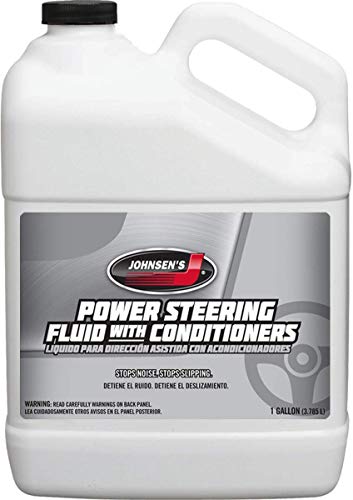
High quality power steering fluid and conditioner
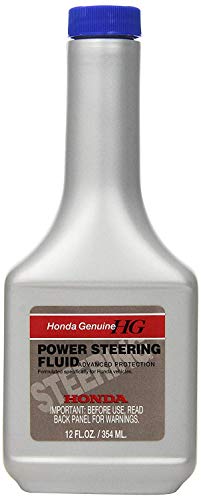
Fits all Honda models
Effects on Power Steering Performance
Using transmission fluid in your power steering can lead to several performance issues. You might experience reduced steering responsiveness or increased difficulty when turning the wheel. The fluid’s composition differs from standard power steering fluids, which can cause inconsistencies in operation. While it may initially function, long-term reliance on transmission fluid can significantly degrade the power steering components.
Potential Risks and Consequences
Incorporating transmission fluid into your power steering system poses multiple risks. You may encounter increased wear on your steering components, leading to premature failure. Additionally, the viscosity of transmission fluid varies from that of power steering fluid, potentially resulting in overheating or contamination. Such issues can result in costly repairs or system replacements. Always refer to your vehicle’s manual to choose the correct fluid, ensuring optimal performance and longevity.
Alternatives to Transmission Fluid
Using the correct fluid is crucial for your power steering system’s health. If power steering fluid isn’t available, consider the following alternatives.
Recommended Products

The service solution for ALL European, North American, and Asian vehicles (Honda fluid recommended for Honda/Acura vehicles)
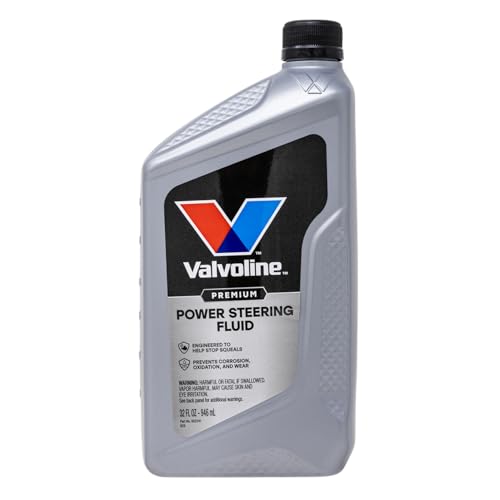

50,000 mile fluid life
Recommended Power Steering Fluids
- Manufacturer-Specified Fluids
Always check your owner’s manual for specific recommendations. OEM (Original Equipment Manufacturer) fluids provide the best protection. - Universal Power Steering Fluids
Some brands offer universal power steering fluids compatible with various vehicle makes and models. These fluids often contain additives to prevent wear and enhance performance. - Synthetic Power Steering Fluids
Synthetic options may provide better lubrication and lower viscosity changes with temperature fluctuations. They can prolong the lifespan of your steering components.
- Temporary Fixes
In urgent situations, using an alternative fluid might offer a short-term solution. However, these alternatives can cause problems down the road. - Long-Term Solutions
For lasting performance, always opt for the correct power steering fluid recommended by your vehicle’s manufacturer. Regular maintenance and fluid changes can prevent future issues and save on costly repairs.
Conclusion
Using the right power steering fluid is essential for keeping your vehicle running smoothly. While it might be tempting to use transmission fluid in a pinch it can lead to serious issues down the road. Stick to the manufacturer’s recommendations to ensure your power steering system remains in top shape.
Regular maintenance and fluid checks can save you from costly repairs and keep your steering responsive. Always prioritize the right fluid for the job and you’ll enjoy a safer and more reliable driving experience. Keep your car happy and it’ll take care of you in return.
Frequently Asked Questions
What is power steering fluid, and why is it important?
Power steering fluid is a specialized fluid that helps to transmit power within the steering system, allowing for easier steering of the vehicle. Using the correct fluid is crucial, as it prevents damage and ensures optimal performance.
Can I use transmission fluid in my power steering system?
No, using transmission fluid in your power steering system is not recommended. It can cause significant damage to seals and pump components, leading to costly repairs.
How do I know if my power steering fluid is low?
Signs of low power steering fluid include difficulty steering, a whining noise when turning, or visible leaks under your vehicle. Regularly checking fluid levels can help you catch issues early.
What types of power steering fluid are available?
There are various types of power steering fluids, including manufacturer-specified fluids, universal fluids, and synthetic options. Always refer to your vehicle’s manual to choose the right fluid.
How often should I change my power steering fluid?
It’s generally recommended to change your power steering fluid every 2 to 3 years or every 50,000 miles, but always check your owner’s manual for specific guidelines for your vehicle.
What are the alternatives to traditional power steering fluid?
Alternatives include manufacturer-specified fluids, universal power steering fluids, and synthetic options. However, temporary fixes like using other fluids are not advisable for long-term vehicle health.
What are the common components of a power steering system?
Key components of a power steering system include the power steering pump, the steering gear, hoses, and the fluid reservoir. Each part plays a crucial role in ensuring smooth steering.
How can I maintain my power steering system?
Regular maintenance involves checking fluid levels, looking for leaks, and changing the fluid based on manufacturer recommendations. Keeping the system clean and properly filled is essential for longevity.
