

Have you ever wondered what transfer case fluid looks like and why it matters for your vehicle? If you’ve noticed odd sounds or shifting issues in your four-wheel drive, understanding this fluid can be a game changer.
Transfer case fluid plays a crucial role in ensuring your vehicle runs smoothly, especially when tackling tough terrains. Knowing how to identify its color and consistency can help you spot potential problems before they escalate. In this article, you’ll learn what to look for and how to maintain this essential fluid, keeping your ride in top shape.
Key Takeaways
- Color Indicators: Fresh transfer case fluid should be clear or light amber; dark brown or black suggests contamination, while milky or foamy indicates water intrusion.
- Consistency Matters: Good-quality fluid feels thin and slippery, while thick or gritty fluid points to wear and the need for a change.
- Regular Checks: Inspect transfer case fluid at least every 30,000 miles or as per your vehicle’s manual to catch potential issues early.
- Smell Assessment: A neutral smell indicates healthy fluid; burnt or strange odors may signal degradation that requires further investigation.
- Signs of Contamination: Pay attention to changes in color, texture, and odor to identify possible problems and prevent costly repairs.
What Does Transfer Case Fluid Look Like?
Transfer case fluid varies in appearance, typically depending on its condition. Understanding its characteristics helps in maintaining your vehicle efficiently.
Recommended Products

Meets the challenging demands of different all-wheel and four-wheel drive vehicles with multi-powered axles

Package Included: 1x Oil change pump, 1x Outlet Hose(10mm), 2x Inlet Hoses(6mm, 8mm), 1x Clamp, 1x Instruction

SAME TOOL THE DEALER USES:【For select Chrysler Dodge Jeep VW vehicles】Level Measuring tool Designed to check and adjust ATF fluid on your vehicle. / Allows you to check fluid level without going to the Dealer.
Color
- Clear: Fresh transfer case fluid appears clear or light amber. This indicates it’s in good condition.
- Dark Brown or Black: Fluid that is dark is often contaminated or burnt. This suggests potential issues requiring attention.
- Milky or Foamy: If the fluid appears milky or foamy, that indicates water contamination. This can lead to serious damage if not addressed promptly.
Consistency
- Thin: Good-quality fluid feels thin and slippery. This ensures proper lubrication and protection of internal components.
- Thick or Gritty: Thick or gritty fluid shows wear particles and debris. This could suggest the need for a fluid change.
Smell
- Neutral: Fresh fluid has a mild smell. A strange or burnt odor signals degradation that warrants investigation.
- Frequency: Check the transfer case fluid at least every 30,000 miles or per your vehicle’s manual.
- Process: Use the dipstick (if equipped) or remove the fill plug to inspect. Always wear gloves and take necessary safety precautions.
By paying attention to the color, consistency, and smell of your transfer case fluid, you can identify potential issues early and take action before they escalate.
Characteristics of Transfer Case Fluid
Monitoring the characteristics of transfer case fluid is essential for your vehicle’s health. The fluid’s color, clarity, and consistency provide vital clues about its condition and any potential problems.
Recommended Products

REACH HARD-TO-ACCESS SERVICE POINTS: Some maintenance jobs are difficult because fill ports are hidden or located in tight spaces. FOUR UNCLES Fluid Transfer Syringe with flexible hose helps you reach challenging areas while making fluid extraction and refilling easier and cleaner.

Specifically approved for use in GM automatic four-wheel drive vehicles with transfer cases

Long lasting endurance
Color Variations
Transfer case fluid typically appears in shades of clear to light amber when fresh. Over time, the color changes, which can point to issues:
- Clear/Light Amber: Indicates fresh fluid in good condition.
- Dark Brown: Suggests oxidation or degradation of the fluid.
- Black: Often signals excessive heat or significant contamination.
- Milky White: Indicates water intrusion, pointing to severe issues that require immediate attention.
Regularly checking the fluid color helps catch problems early, allowing you to take action before they escalate.
Clarity and Consistency
The clarity and consistency of transfer case fluid affect its performance:
- Clear Fluid: Shows proper lubrication and functionality.
- Thick or Gritty Fluid: Indicates contamination or breakdown of the lubricant, reducing effectiveness.
- Thin and Slippery Fluid: Represents ideal lubrication for smooth operation.
Inspecting the fluid’s clarity and consistency regularly ensures your transfer case operates efficiently, especially in rough terrains. Make checks easy by using the dipstick or fill plug to assess the fluid’s condition.
Importance of Transfer Case Fluid
Transfer case fluid plays a crucial role in the performance and longevity of your four-wheel drive vehicle. Regular monitoring of this fluid helps you identify potential issues early, preventing costly repairs and ensuring optimal operation.
Functionality in Vehicle Performance
Transfer case fluid lubricates and cools the transfer case components, ensuring smooth power distribution to the wheels. Proper lubrication prevents friction, reducing wear on gears and bearings. Clear or light amber fluid indicates healthy lubrication. When the fluid’s consistency is thin and slippery, it allows for efficient transfer case function, especially in challenging driving conditions. Regular checks and timely replacements, typically every 30,000 miles or according to your vehicle’s manual, are essential for maintaining peak performance.
Signs of Fluid Contamination
Detecting fluid contamination early helps you avoid severe damage. Here are the main signs to watch for:
- Color Changes: Fresh fluid should be clear or light amber. Dark brown or black fluid may indicate oxidation or age, while milky fluid suggests water contamination.
- Texture Alterations: Thin, slippery fluid signifies health. Thick, gritty fluid indicates the presence of contaminants that could impair function.
- Unusual Odors: A burnt smell can hint at overheating components, while a sour smell may indicate biological contamination.
Regular inspections of these characteristics can prevent issues down the line, ensuring your vehicle operates smoothly. If you notice any of these signs, consider checking the fluid more frequently or consulting a professional for further evaluation.
How to Check Transfer Case Fluid
Checking your transfer case fluid regularly ensures your vehicle operates smoothly. Here’s how to do it effectively.
Recommended Products

HIGH-CAPACITY TRANSFER - This 200cc fluid extractor pump effectively removes and fills brake fluid, gear oil, antifreeze, and power steering fluid with precise control, making routine maintenance and fluid changes cleaner and more efficient
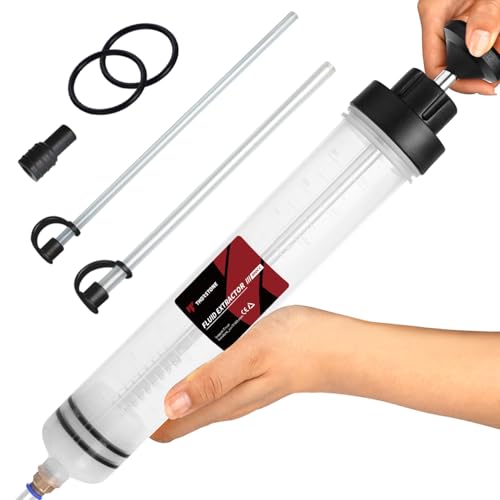
TRANSFER FLUID SMOOTHLY - Thorstone syringe style fluid evacuator comes with 0.24" OD and 0.32" OD extension tubes, up to 40 cm when connected, long enough to reach hard-to-reach locations for extracting and changing transmission fluid, power steering fluid, gear oil, anti-freeze and brake fluid.

⛽ Portable Design: This fluid pump automotive has a portable design that screws in and locks, and is equipped with the adapter to hold the infusion tube in place during transfer, making it easy to use. Equipped with two different lengths of hoses for different heights of quart bottles, to meet your needs of different sizes.
Recommended Tools for Inspection
- Rags or Towels: For wiping any spills or residue.
- Clear Container: To catch and examine the fluid.
- Socket Wrench: For removing the fill/drain plugs.
- Funnel: To help add fluid without spills.
- Flashlight: To inspect fluid color and clarity.
- Park on Level Ground: Ensure your vehicle is parked on a flat surface for accurate assessment.
- Locate the Transfer Case: Identify the transfer case. Consult your vehicle’s manual for its location.
- Remove the Fill Plug: Using a socket wrench, carefully remove the fill plug.
- Inspect the Fluid: Use your fingers or a clear container to check the fluid. It should be clear or light amber. Dark or opaque fluid signals potential issues.
- Smell the Fluid: Note any burnt or sour odors, which indicate contamination.
- Check for Particles: Look for any debris or metal shavings in the fluid, suggesting wear or damage.
Follow these steps to monitor your transfer case fluid effectively and maintain your vehicle’s performance.
Conclusion
Keeping an eye on your transfer case fluid is key to ensuring your vehicle runs smoothly. By regularly checking its color and consistency you can catch potential issues before they become major problems. Remember that clear or light amber fluid is a good sign while dark or milky fluid can indicate trouble.
Don’t forget to take a whiff too; unusual odors might signal something’s off. Staying proactive with these checks will not only help maintain your vehicle’s performance but also extend its lifespan. So next time you’re under the hood give that transfer case fluid the attention it deserves. Your ride will thank you for it.
Frequently Asked Questions
What is transfer case fluid and why is it important?
Transfer case fluid lubricates the components of a four-wheel drive vehicle’s transfer case. It ensures smooth power distribution, reduces wear, and helps maintain optimal performance. Proper fluid levels and quality are essential for vehicle durability.
How often should I check my transfer case fluid?
It’s recommended to check your transfer case fluid every 30,000 miles or according to your vehicle’s manual. Regular checks help catch potential issues early, ensuring the longevity and efficiency of your vehicle’s drivetrain.
What signs indicate a problem with transfer case fluid?
Signs of potential issues include changes in color (dark or milky), unusual odors (burnt or sour), and visible particles in the fluid. These changes can indicate contamination or oxidation, requiring immediate attention.
How can I check my transfer case fluid?
To check your transfer case fluid, gather necessary tools like a dipstick or funnel. Follow these steps: remove the fill plug, inspect the fluid’s color and consistency, smell for any unusual odors, and check for debris or particles.
What color should transfer case fluid be?
Transfer case fluid should ideally be clear or light amber. This color indicates good quality fluid, which is essential for proper lubrication and component protection. Any significant color change may signal a need for assessment or replacement.
