

Have you ever wondered if your transfer case needs fluid? It’s a common question among vehicle owners, especially if you’ve noticed odd sounds or shifting issues. Ignoring this can lead to costly repairs down the road.
Key Takeaways
- Importance of Transfer Case Fluid: Essential for lubricating and cooling internal components, helping ensure smooth operation and longevity of your vehicle’s transfer case.
- Types of Transfer Case Fluids: Familiarize yourself with various fluids like Automatic Transmission Fluid (ATF), synthetic fluids, and gear oils, and choose according to your vehicle’s specifications.
- Signs of Low Fluid Levels: Look out for unusual noises, difficulty shifting gears, fluid leaks, excessive heat, and changes in fluid texture or smell, as these may indicate low fluid levels.
- Checking Fluid Levels: Regularly check transfer case fluid levels using simple tools and ensure the fluid is at the correct level for optimal performance.
- Adding Fluid Safely: Follow proper procedures for adding fluid, including warming up the vehicle, using a fluid pump, and securing the fill plug afterward to prevent spills.
- Safety Precautions: Always wear protective gear, work in a well-ventilated area, and take necessary safety measures to avoid accidents while servicing your vehicle.
Understanding Transfer Case Fluid
Transfer case fluid plays a vital role in your vehicle’s performance. It facilitates power transfer between the transmission and the wheels, ensuring smooth operation in various driving conditions.
Recommended Products

FlexFill squeezable pouch releases 2X more fluid with less effort for 3X faster filling vs. traditional bottle packaging

HIGH PERFORMANCE - gear protection and longer synchro life, Satisfies the gear oil viscosity requirements of 70W & 75W

🚗 Only Quart Bottle Pump that comes with LONG and SHORT SUCTION TUBES for Tall and Short Quart Bottles
Purpose of Transfer Case Fluid
Transfer case fluid lubricates the internal components to reduce friction and wear. It helps in cooling the system, preventing overheating. This fluid also protects against corrosion and contamination. Proper fluid levels ensure smooth shifting, optimal vehicle handling, and longevity of the transfer case.
Types of Transfer Case Fluids
Various types of transfer case fluids exist, each suited for specific applications. Here are some common types:
- Automatic Transmission Fluid (ATF): Often used in many SUVs and trucks. It provides adequate lubrication and cooling for automatic systems.
- Synthetic Fluid: Offers superior performance in extreme temperatures. It resists breakdown better than conventional fluids and enhances efficiency.
- Gear Oil: Typically used in older systems or those designed for heavy-duty applications. It’s thicker and provides excellent protection under heavy loads.
When selecting fluid for your transfer case, consult your owner’s manual to ensure compatibility with your vehicle’s system.
Signs You May Need to Add Fluid
Noticing specific signs can prompt you to check the fluid level in your transfer case. Timely attention can help prevent ongoing issues with your vehicle.
Warning Lights and Indicators
Check your dashboard for warning lights related to the transfer case. Symbols may indicate low fluid levels or other operational concerns. If a light appears, consult your owner’s manual to interpret the specific warning. Addressing these warnings promptly can prevent complications.
Symptoms of Low Fluid Levels
Monitor your vehicle’s performance for any unusual symptoms. Signs of low fluid levels include:
- Unusual Noises: Listen for grinding or whining sounds while driving. These noises may signify inadequate lubrication in the transfer case.
- Difficulty Shifting Gears: Experience slipping or rough transitions when changing gears? This may indicate that the fluid isn’t sufficient for smooth operation.
- Fluid Leak Puddles: Look under your vehicle for fluid puddles, particularly reddish or brownish stains. This may signal fluid leakage.
- Increased Heat: Feel excessive heat coming from the transfer case? High temperatures often imply insufficient fluid for cooling.
- Check the Texture: If you examine your fluid and it appears foamy, milky, or has a burnt smell, these signs suggest contamination or low levels that require immediate attention.
How to Check Transfer Case Fluid
Checking transfer case fluid ensures your vehicle operates efficiently. This process is straightforward and requires only a few tools.
Recommended Products

🚗Fits Standard Quart Bottles with 28mm Bottle Cap

🚗Fits Wide-Mouth Quart Bottles with 38mm Bottle Cap

Efficient Pumping: This fluid transfer pump comes with two different height suction tubes for quart bottles of different heights, making it easy to reach the bottom of the bottle. Easily control the amount of fluid pumped out without worrying about overfilling, making oil change operations easier on boats and vehicles.
Tools Required
- Socket Set: Use this to remove the fluid fill plug.
- Fluid Pump: A pump helps you add fluid easily without spills.
- Clean Rags: Rags assist in wiping off excess fluid and keeping the area tidy.
- Safety Glasses: Protect your eyes during the check process.
- Funnel: A funnel makes refilling the fluid more manageable.
- Locate the Transfer Case: Find your vehicle’s transfer case. It usually sits behind the transmission and has a fill plug on the side.
- Warm Up the Vehicle: Run your vehicle for a few minutes. This helps the fluid warm up and provides a more accurate reading.
- Turn Off the Engine: Safely turn off the engine and put the vehicle in park. Engage the parking brake.
- Check Fluid Level: Remove the fill plug using your socket set. Insert your finger into the hole. The fluid should touch your finger tip. If it’s low, it’s time to add more.
- Inspect Fluid Condition: Note the appearance of the fluid. It should be clear or slightly amber. If it’s dark or has a burnt smell, consider changing it.
- Add Fluid as Needed: If the fluid is low, use the fluid pump to add the correct transfer case fluid. A funnel can help prevent spills.
- Replace the Fill Plug: Tighten the fill plug securely after checking or adding fluid.
- Dispose of Waste Properly: If you change the fluid, dispose of it according to local regulations.
Regular checks keep your transfer case functioning properly and help avoid costly issues down the line.
How to Add Fluid to Your Transfer Case
Adding fluid to your transfer case ensures proper function and longevity. Follow these steps for successful maintenance.
Recommended Products

Standard quart bottle suitable for 28mm bottle caps, 10CC Per Pump Stroke.
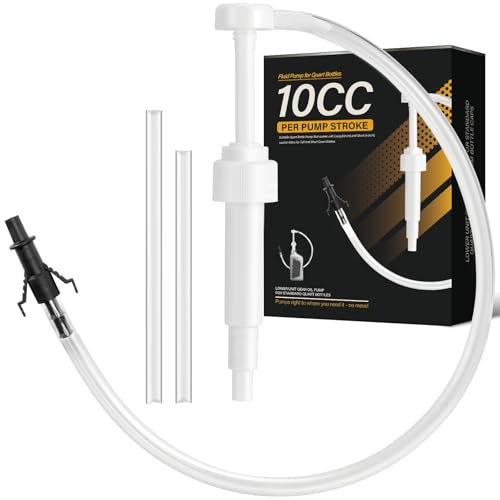
【Multiple Applications】Gear oil pump Fits for standard quart bottle and suitable for 28mm bottle cap,The third hand adapter holds the filler tube in place while pumping, Differential fluid pump The plunger pump is designed to be screwed in and secured.

Patent No.: USD1063994S-The AIGMISON team has meticulously crafted the 3L oil pump. With its unique design, every unit undergoes rigorous testing to ensure quality and provide superior service
Recommended Procedures
- Gather Tools: You’ll need a funnel, a fluid pump, and your vehicle’s specific transfer case fluid.
- Locate the Fill Plug: Find the fill plug on your transfer case. Consult your owner’s manual for the exact location.
- Warm Up the Vehicle: Start your vehicle and allow it to reach operating temperature. This helps the fluid circulate and provides an accurate level reading.
- Check Fluid Level: Remove the fill plug. Fluid should be level with the bottom of the plug hole. If it’s low, you’ll need to add fluid.
- Add Fluid: Use a fluid pump and funnel to add fluid slowly until it reaches the proper level. Be careful not to overfill.
- Replace Fill Plug: Secure the fill plug tightly after topping off the fluid.
- Wear Protective Gear: Use gloves and safety glasses while working on your vehicle to protect yourself from harmful substances.
- Work in a Ventilated Area: Ensure adequate ventilation to avoid inhaling fumes from the transfer case fluid.
- Use Wheel Chocks: Place wheel chocks around your vehicle’s wheels to prevent it from rolling while you’re working underneath.
- Let the Vehicle Cool: Allow the transfer case to cool down if you’ve just driven your vehicle. Hot surfaces can cause burns.
- Avoid Open Flames: Keep open flames and sparks away from your workspace. Transfer case fluids can be flammable.
Conclusion
Taking care of your transfer case is key to keeping your vehicle running smoothly. By regularly checking and adding fluid you not only enhance performance but also extend the life of your transfer case.
Remember to follow the proper steps and prioritize safety while you work. With a little bit of effort you can avoid costly repairs down the line. So don’t neglect this important maintenance task and keep your ride in top shape. Happy driving!
Frequently Asked Questions
Why is it important to check transfer case fluid regularly?
Regularly checking transfer case fluid ensures optimal function and longevity of your vehicle’s transfer case. Low or dirty fluid can lead to poor performance and costly repairs. Regular maintenance keeps your transfer case operating efficiently.
How do I locate the fill plug on the transfer case?
To locate the fill plug on your transfer case, consult your vehicle’s owner manual for specific details. Typically, it’s found on the side or rear of the transfer case. Ensure the vehicle is secure before attempting to access it.
What tools do I need to add fluid to the transfer case?
You will need a funnel, a fluid pump, and the appropriate transfer case fluid specified by your vehicle’s manufacturer. It’s also advisable to have protective gloves and safety glasses for safe maintenance.
What safety precautions should I take while adding transfer case fluid?
Always work in a well-ventilated area, wear safety gear, use wheel chocks to prevent vehicle movement, allow the vehicle to cool, and avoid open flames. These measures help ensure your safety during maintenance.
How can I tell if the transfer case fluid level is low?
A low fluid level may be indicated by grinding noises, difficulty shifting gears, or vibrations during operation. If you notice these signs, it’s crucial to check the fluid level immediately to prevent damage.
