

Have you ever wondered what keeps your vehicle’s transfer case running smoothly? If you’ve noticed strange noises or shifting issues, it might be time to check the fluid inside. Understanding what fluid is used in a transfer case can save you from costly repairs and keep your ride reliable.
This article will break down the types of fluids used in transfer cases and why they matter. You’ll learn how to identify when your fluid needs a change and what signs to look for. By the end, you’ll have the knowledge to ensure your vehicle stays in top shape and ready for any adventure.
Key Takeaways
- Understanding Transfer Cases: Transfer cases are essential for power distribution in 4WD and AWD vehicles, enhancing traction and control across different terrains.
- Types of Transfer Case Fluids: The main types of fluids include gear oil, automatic transmission fluid (ATF), and synthetic fluids, each serving specific purposes based on vehicle needs.
- Signs of Fluid Maintenance Needs: Look out for unusual noises, leaking fluid, and difficulty shifting gears, as these may indicate low or contaminated transfer case fluid.
- Regular Fluid Checks: Inspect fluid levels monthly or before long trips to maintain optimal transfer case performance and prevent potential damage.
- Manufacturer Recommendations: Always consult your vehicle’s owner manual for specific fluid types to ensure compatibility and avoid costly repairs.
- Importance of Lubrication and Cooling: Proper transfer case fluid is crucial for lubrication and cooling, helping to prevent wear and overheating during operation.
Understanding Transfer Cases
Transfer cases play a crucial role in vehicles equipped with four-wheel drive (4WD) or all-wheel drive (AWD). These components distribute power from the transmission to the front and rear axles, enabling all four wheels to receive torque and enhancing traction.
Key Functions of a Transfer Case
- Power Distribution: A transfer case allows for power distribution between front and rear wheels, essential for maintaining control on various terrains.
- Gear Ratio Management: It provides different gear ratios for low-speed driving on rough surfaces and high-speed performance on highways.
- Driving Modes: Some transfer cases enable switching between modes, such as 2WD (two-wheel drive) and 4WD (four-wheel drive), adapting to different driving conditions.
Types of Transfer Cases
- Part-Time Transfer Cases: These systems function primarily in 2WD and engage 4WD as needed. This setup is common in trucks and off-road vehicles.
- Full-Time Transfer Cases: Full-time systems distribute power to all four wheels continuously, providing better stability and traction in varying conditions.
- Active Transfer Cases: These transfer cases adjust power distribution automatically based on real-time conditions, enhancing performance and safety.
Importance of Fluid in a Transfer Case
Proper maintenance of fluid in your transfer case is vital for optimal performance. The fluid lubricates internal components, aiding smooth operation and preventing wear. Always use the manufacturer’s recommended fluid type to ensure compatibility.
Signs That Fluid Needs Changing
- Noise: Unusual sounds like grinding or clunking during operation signal potential fluid issues.
- Leaking Fluid: Visible puddles or spots under the vehicle indicate leaks that require immediate attention.
- Difficulty Shifting: Problems with engaging or shifting gears can stem from inadequate fluid levels.
- Check Fluid Level Regularly: Inspect fluid levels monthly or before long trips to maintain vehicle performance.
- Change Fluid at Recommended Intervals: Follow the vehicle manufacturer’s guidelines, typically every 30,000 to 50,000 miles.
- Consult a Professional: For fluid changes, consider seeking help from a certified mechanic, especially if you’re unfamiliar with vehicle maintenance.
By understanding transfer cases and the importance of their fluid, you can ensure your vehicle operates reliably, ready for any journey.
Types of Transfer Case Fluids
Transfer case fluids vary based on the type and application. Understanding these fluids helps maintain optimal performance and longevity of the transfer case. Below are the main types of transfer case fluids you might encounter.
Recommended Products
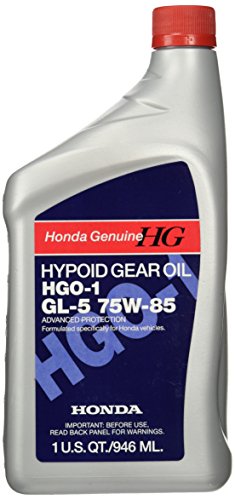
genuine oem factory part

HIGH PERFORMANCE - gear protection and longer synchro life, Satisfies the gear oil viscosity requirements of 70W & 75W

SATISFIES REQUIREMENTS - for gear oil viscosity of SAE 75W80, 75W, 80W and 85W, as well as SAE 30 and SAE 10W30 motor oil
Gear Oil
Gear oil is commonly used in transfer cases that require high viscosity. It provides excellent lubrication and protection against wear and tear. Gear oil often comes in different grades. Most vehicles specify a particular viscosity based on driving conditions and environment. Always check your owner’s manual for the recommended type. Examples of common gear oils include GL-4 and GL-5 ratings. These ratings indicate the oil’s performance level, suitable for different gear systems.
ATF (Automatic Transmission Fluid)
ATF is a fluid designed for vehicles with automatic transmissions. Many transfer cases in all-wheel-drive and four-wheel-drive vehicles utilize ATF due to its ability to cope with high temperatures and pressures. ATF minimizes slippage and helps maintain smooth operation. There exist several types of ATF, such as Dexron and Mercon. Pay attention to manufacturer specifications, as using the wrong type can lead to significant issues.
Synthetic Fluids
Synthetic fluids offer enhanced performance compared to conventional options. They provide superior lubrication, better heat resistance, and improved fluid stability. Synthetic fluids are engineered to withstand extreme conditions, making them ideal for high-performance vehicles. Many synthetic options also reduce friction, resulting in improved fuel efficiency. Consider using synthetic fluids if your vehicle’s transfer case operates under severe conditions, such as off-road driving or heavy towing. Checking compatibility with your vehicle is essential before making the switch.
Importance of Transfer Case Fluid
Maintaining the right transfer case fluid is vital for ensuring your vehicle operates smoothly and efficiently. The transfer case plays a crucial role in distributing power and adjusting gear ratios based on driving conditions. Here’s a closer look at why transfer case fluid matters, focusing on lubrication and cooling.
Recommended Products


HANDY DESIGN - Plunger pump design screws in and locks down for storage. A third hand adapter secures the fill tube while pumping, offering convenience and ease of use.
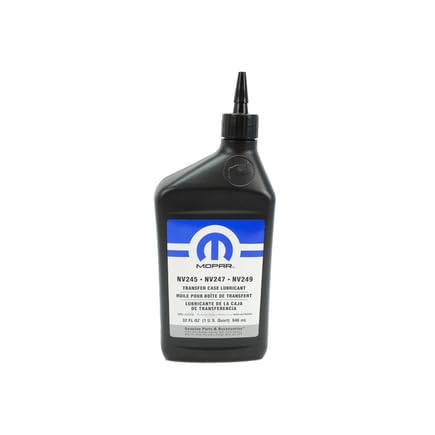
Mopar OEM part that fits your specific vehicle
Lubrication
Transfer case fluid lubricates gears and bearings, reducing friction during operation. This lubrication minimizes wear and prevents damage that can lead to costly repairs. Using the right fluid type ensures that the transfer case functions properly under various loads and conditions. Regular checks of fluid levels and timely changes help maintain optimal lubrication, extending the life of your transfer case components.
Cooling
Transfer case fluid also aids in cooling. It dissipates heat generated during gear operation, preventing overheating. Overheating can lead to fluid breakdown and increased wear on internal parts. If you notice signs of excessive heat, like unusual noises or difficulty shifting, check your fluid levels. Maintaining appropriate fluid levels and replacing old fluid can help regulate temperature, ensuring your transfer case remains cool and performs efficiently.
Identifying Fluid Needs
Understanding the specific fluid requirements for your transfer case ensures vehicle reliability and performance. Recognizing what fluid to use and when to replace it is vital for optimal operation.
Recommended Products

Formulated with full-synthetic base stocks and advanced additive technology to meet the challenging demands of automatic transmissions

Formulated with full-synthetic base stocks and advanced additive technology to meet the challenging demands of automatic transmissions

Meets the challenging demands of different all-wheel and four-wheel drive vehicles with multi-powered axles
Manufacturer Recommendations
Consult your vehicle’s owner manual for fluid specifications. Manufacturers often recommend specific types of transfer case fluid, such as Dexron, Mercon, or specialized synthetic options. Adhering to these recommendations helps maintain performance and prevents damage. For instance, if your manual specifies ATF+4, using an incompatible fluid can lead to issues like reduced lubrication and increased wear.
Signs of Low or Contaminated Fluid
Monitor for signs indicating low or contaminated fluid. Common indicators include:
- Unusual Noises: Grinding or whining sounds during operation can signal low fluid levels.
- Difficulty Shifting: Hesitation or difficulty when changing gears often points to fluid problems.
- Fluid Color: Healthy fluid appears clear or light amber, while dark, cloudy, or milky fluid indicates contamination.
- Odor: A burnt smell suggests overheating, which usually implies fluid degradation.
Addressing these signs quickly prevents further damage and ensures your transfer case operates smoothly. Regular checks can make all the difference in maintaining your vehicle’s functionality.
Conclusion
Keeping an eye on your transfer case fluid is key to a smooth driving experience. By staying proactive with maintenance and understanding the signs of potential issues you can avoid costly repairs down the road. Regular checks and timely changes not only enhance performance but also extend the life of your vehicle’s components. Remember to always refer to your manufacturer’s guidelines to ensure you’re using the right fluid. With a little attention and care your transfer case will keep running smoothly for years to come.
Frequently Asked Questions
What is the purpose of a transfer case in a vehicle?
The transfer case distributes power from the transmission to the front and rear axles, enabling four-wheel drive. It also manages gear ratios to optimize performance under different driving conditions.
Why is transfer case fluid maintenance important?
Maintaining transfer case fluid is crucial for lubrication and preventing wear. Proper fluid levels help avoid issues like unusual noises and shifting difficulties, ensuring your vehicle runs smoothly.
How often should I check my transfer case fluid?
It’s advised to check the transfer case fluid regularly, ideally every few thousand miles. Following your vehicle’s manufacturer recommendations ensures optimal performance.
What are the signs of low or contaminated transfer case fluid?
Signs include unusual noises, difficulty shifting, discolored fluid, or a burnt odor. Noticing these symptoms indicates the need for immediate maintenance to prevent damage.
When should I change my transfer case fluid?
Change transfer case fluid at the intervals recommended in your vehicle’s owner manual, typically every 30,000 to 50,000 miles, or when you observe signs of fluid degradation.
