

Ever wondered what fluid goes in your GM transfer case? You’re not alone. Many drivers face this question, especially when it comes time for maintenance. Using the right fluid is crucial for keeping your vehicle running smoothly and extending its lifespan.
Imagine you’re gearing up for a road trip, and you suddenly realize your transfer case might need a fluid change. Choosing the wrong fluid could lead to costly repairs or even a breakdown on the road. This article will guide you through the specifics of what fluid your GM transfer case needs, ensuring you’re well-prepared for your next adventure.
Key Takeaways
- Fluid Selection Matters: Choosing the correct fluid, such as Dexron VI ATF or GM Transfer Case Oil, is vital for maintaining the performance and longevity of your GM transfer case.
- Regular Maintenance is Key: Regularly changing the transfer case fluid according to your vehicle’s owner’s manual helps prevent breakdowns and enhances the transfer case’s life.
- Identify Fluid Issues Early: Look out for signs of fluid problems, such as leaks, unusual noises, and difficulty shifting gears, to address potential issues before they escalate.
- Consult Your Owner’s Manual: Always refer to the owner’s manual for specific fluid specifications and recommendations unique to your GM model.
- Avoid Mixing Fluids: Mixing different types of fluids can lead to inadequate lubrication and severe damage. Stick to recommended fluids for optimal performance.
- Inspect Fluid During Oil Changes: Regularly checking transfer case fluid during routine oil changes can help catch potential issues early, ensuring a smoother driving experience.
Overview of GM Transfer Cases
GM transfer cases play a crucial role in distributing power between the front and rear wheels of four-wheel-drive and all-wheel-drive vehicles. Understanding the basic functionality and fluid requirements of your transfer case ensures optimal performance and prevents costly breakdowns.
Types of GM Transfer Cases
- New Venture Gear (NV) Series: Used in various GM models, these cases are known for their durability and off-road capability.
- Allison Transmission Cases: Often found in heavier-duty applications, these transfer cases provide robust performance for trucks and SUVs.
Transfer Case Fluids
- ATF (Automatic Transmission Fluid): Commonly used in most GM transfer cases. Always check your vehicle’s manual for specific fluid types.
- Transfer Case Oil: Some models require specific transfer case lubricants. These oils offer superior protection against wear and shear.
Signs of Fluid Issues
- Fluid Leaks: Check for signs of leaks underneath your vehicle. If you notice puddles, inspect the transfer case seals immediately.
- Strange Noises: Grinding or clicking noises can indicate insufficient lubrication. Address these sounds promptly to avoid further damage.
Measuring Fluid Levels
- Check Dipstick or Fill Plug: Depending on the model, locate the dipstick or fill plug. Ensure the vehicle is level for accurate measurements.
- Add Fluid as Needed: If fluid levels are low, add the recommended fluid until it reaches the proper level.
- Regular Fluid Changes: Change the transfer case fluid according to your owner’s manual schedule. Frequent changes enhance performance and extend the life of the case.
- Inspection During Oil Changes: Always inspect transfer case fluid during routine oil changes. This practice helps catch potential issues early.
By staying informed about your GM transfer case’s specifications and maintaining proper fluid levels, you can ensure a smooth and reliable driving experience.
Importance of Fluid Selection
Selecting the right fluid for your GM transfer case is crucial for maintaining optimal vehicle performance and durability. Using incorrect fluid can lead to serious issues, including costly repairs or unexpected breakdowns.
Recommended Products

Specifically approved for use in GM automatic four-wheel drive vehicles with transfer cases

Meets the challenging demands of different all-wheel and four-wheel drive vehicles with multi-powered axles

Long lasting endurance
Types of Fluids Available
- Automatic Transmission Fluid (ATF)
ATF is commonly used in various GM transfer cases. It provides lubrication for mechanical components and optimizes shifting performance. - Transfer Case Oil
Dedicated transfer case oil is designed to handle the specific conditions within the transfer case. This fluid can withstand high pressures and temperatures, ensuring better longevity. - Manufacturer-Specified Fluids
Always check for fluids recommended by GM for your specific model. These fluids are designed to meet the unique requirements of your transfer case.
- Check Manufacturer Guidelines
Always refer to your vehicle’s owner manual for the correct fluid specifications. This ensures compatibility with your transfer case. - Fluid Mix Risks
Avoid mixing different types of fluids. Combining ATF with transfer case oil can lead to inadequate lubrication and potential failure. - Seasonal Adaptability
Consider the environment in which you drive. Some fluids perform better in extreme temperatures, so choose one suitable for your local climate for optimal results.
Recommended Fluids for GM Transfer Cases
Using the proper fluid in your GM transfer case ensures reliable performance and longevity. Below are the main types of fluids recommended for optimal operation.
Recommended Products

Backward compatible with previous Dexron automatic transmission fluids and can be used as a much-improved replacement for older vehicles/transmissions originally using previous Dexron fluids

Backward compatible with previous DEXRON automatic transmission fluids and can be used as a much-improved replacement for older vehicles/transmissions originally using previous DEXRON fluids

Formulated with full-synthetic base stocks and advanced additive technology to meet the challenging demands of automatic transmissions
OEM Recommendations
Original Equipment Manufacturer (OEM) fluids are your best option for GM transfer cases. GM recommends specific fluids like:
- Dexron VI ATF: Commonly used in many GM vehicles, this fluid provides excellent lubrication and protection in various temperature ranges.
- GM Transfer Case Oil: Designed specifically for transfer cases, this oil offers increased performance under heavy loads.
Always consult your owner’s manual for the exact fluid specifications required for your model. Using OEM fluids minimizes the risk of issues from incompatible products and oxidation.
Aftermarket Options
Several aftermarket fluids meet or exceed GM requirements. When choosing these fluids, ensure they are compatible with your transfer case. Notable options include:
- Valvoline Multi-Vehicle ATF: This synthetic ATF works well across different makes and offers reliable performance.
- Mobil 1 Synthetic ATF: Formulated for superior protection and performance, it can be a good alternative to the OEM recommendations.
Verify that any aftermarket fluid lists compatibility with GM transfer cases on the label. Keep an eye out for customer reviews and manufacturer certifications to make informed choices.
How to Change Fluid in a GM Transfer Case
Changing the fluid in your GM transfer case ensures optimal performance and longevity. Follow these steps for a smooth process.
Recommended Products

WIDE COMPATIBILITY – Precision-engineered pump upgrade kit designed for GM transfer case models 136, 146, 246, 261, 261HD, 263HD, 263XHD, and 261XHD (1998–2007). Verify your transfer case model before ordering to ensure proper fit.

Practical Function: This manual fluid pump is designed to transfer automotive fluids from standard quart bottles. It delivers approximately 4cc of fluid per stroke, offering smooth and accurate flow control. It effectively concentrates the flow, avoids liquid spillage, and improves the accuracy
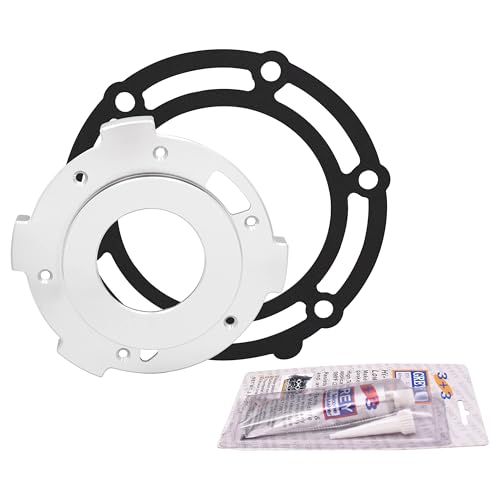
Function - To repair or prevent pump rub failure on your diesel engine transfer case.
Necessary Tools and Supplies
Gather these essential items before starting:
- Fluid: Use the recommended fluid type, like Dexron VI ATF or GM Transfer Case Oil.
- Wrench Set: Needed for removing drain and fill plugs.
- Fluid Pump: Helps in filling the transfer case efficiently.
- Drain Pan: Catches old fluid during the change.
- Rags: Clean up any spills or mess.
- Safety Gear: Gloves and goggles protect you while working.
- Locate the Transfer Case: Identify the transfer case under your vehicle. Refer to your owner’s manual for positioning.
- Lift the Vehicle: Use a jack and secure it with jack stands to ensure safety while you work underneath.
- Drain Old Fluid: Remove the drain plug using a wrench. Allow the fluid to completely drain into the drain pan.
- Inspect the Fluid: Check for metal shavings or discoloration, indicating potential issues.
- Replace the Drain Plug: Reinstall the drain plug securely after ensuring all fluid has drained.
- Fill with New Fluid: Insert the fluid pump into the fill hole and add new fluid until it begins to overflow. This indicates the transfer case is full.
- Replace the Fill Plug: Once filled, securely replace the fill plug to prevent leaks.
- Clean Up: Dispose of old fluid responsibly and clean any spills.
Regularly checking and changing your transfer case fluid maintains vehicle performance and extends the life of the system.
Common Symptoms of Low Fluid Levels
Low fluid levels in your GM transfer case can lead to various issues. Recognizing the signs early can help prevent serious damage.
- Poor Shifting: You may notice difficulty when shifting between gears. Sluggish or jerky transitions often indicate low fluid levels.
- Overheating: An increase in temperature in the transfer case can occur. Insufficient fluid causes friction, leading to overheating.
- Unusual Noises: Grinding, whining, or clunking noises may arise. These sounds point to inadequate lubrication within the transfer case.
- Fluid Leak: A visible puddle or spot underneath your vehicle can signal a leak. Check for any leaks around the transfer case area.
- Warning Lights: Dashboard warning lights, such as the check engine light, may activate. This often suggests issues with fluid levels or transfer case performance.
- Difficulty in Engaging 4WD: Engaging four-wheel drive may feel challenging. Low fluid can affect the transfer case’s ability to shift into 4WD smoothly.
Monitoring these symptoms ensures your transfer case operates effectively and extends its lifespan. Regular fluid checks and maintenance are crucial for optimal performance.
Conclusion
Taking care of your GM transfer case is crucial for keeping your vehicle running smoothly. Using the right fluid not only enhances performance but also extends the life of your transfer case. Regular checks and timely fluid changes can save you from costly repairs down the line.
Stay alert for any warning signs like unusual noises or difficulty shifting. By staying proactive with your maintenance routine you can ensure your vehicle stays in top shape for all your adventures. Remember it’s all about keeping your ride reliable and enjoyable.
Frequently Asked Questions
What type of fluid should I use for GM transfer cases?
Using the correct fluid is crucial for GM transfer cases. Recommended options include Dexron VI ATF and GM Transfer Case Oil. For aftermarket alternatives, Valvoline Multi-Vehicle ATF and Mobil 1 Synthetic ATF may work, but ensure they are compatible with your specific vehicle model.
Why is it important to change the fluid in a GM transfer case?
Changing the fluid in a GM transfer case is essential for maintaining optimal vehicle performance and durability. Old fluid can break down, leading to poor shifting, overheating, and potential damage to the transfer case.
What tools do I need to change GM transfer case fluid?
To change the fluid in a GM transfer case, you’ll typically need a wrench, a fluid pump, a clean drain pan, and a funnel for refilling. Make sure you have the correct type and amount of replacement fluid on hand.
What are the symptoms of low fluid levels in a GM transfer case?
Common symptoms of low fluid levels in a GM transfer case include poor shifting, overheating, unusual noises, fluid leaks, warning lights on the dashboard, and difficulties in engaging 4WD. Addressing these signs early can prevent further damage.
How often should I check the transfer case fluid?
It’s recommended to check the transfer case fluid regularly, at least every 30,000 miles, or as outlined in your vehicle’s owner manual. Regular maintenance helps to ensure optimal performance and longevity of the transfer case.
