

Have you ever wondered if you need to replace the transfer case fluid in your vehicle? You’re not alone. Many drivers overlook this crucial maintenance step, thinking it’s not that important. But skipping it can lead to bigger issues down the road, like costly repairs or even a breakdown.
In this article, you’ll learn why keeping an eye on your transfer case fluid is essential for your vehicle’s health. We’ll cover the signs that indicate it’s time for a change and the benefits of staying on top of this maintenance task. By the end, you’ll have a clearer understanding of how to keep your vehicle running smoothly and efficiently.
Key Takeaways
- Regularly monitoring and replacing transfer case fluid is essential for maintaining your vehicle’s performance and longevity.
- Symptoms like difficulty shifting gears, unusual noises, fluid color changes, and leaks indicate the need for transfer case fluid replacement.
- Manufacturer recommendations typically suggest checking the transfer case fluid every 30,000 to 60,000 miles, with harsher driving conditions warranting more frequent checks.
- Neglecting transfer case fluid maintenance can lead to costly repairs, increased wear on components, overheating issues, and poor vehicle performance.
- The replacement process is straightforward, involving draining old fluid, adding new fluid, and ensuring proper levels for optimal operation.
Understanding Transfer Case Fluid
Transfer case fluid plays a crucial role in the smooth operation of your vehicle’s drivetrain. Regularly monitoring this fluid helps maintain your vehicle’s performance and longevity.
Recommended Products

Specifically approved for use in GM automatic four-wheel drive vehicles with transfer cases

2-PACK – 2 LITERS TOTAL Includes two 1-liter bottles of GM Transfer Case Auto Fluid, Part Number 19540587, providing 2 liters of fluid total.

What Is Transfer Case Fluid?
Transfer case fluid lubricates the transfer case, a component in four-wheel-drive and all-wheel-drive systems. This fluid enables the proper distribution of power from the engine to the wheels. It also helps keep gears cool and prevents wear. Different vehicles require varying types of transfer case fluid, including automatic transmission fluid (ATF) or specific transfer case lubricants.
Importance of Transfer Case Fluid
The importance of transfer case fluid cannot be overstated. Neglecting to replace it can lead to severe mechanical issues. Fresh fluid reduces friction, which enhances the efficiency of your drivetrain. Dirty or low fluid can cause gears to grind or slip, resulting in potential breakdowns. By checking and changing transfer case fluid regularly, you can avoid costly repairs and keep your vehicle running smoothly. Look for signs such as unusual noises, difficulty shifting between drive modes, or fluid leaks to determine if it requires replacement.
Signs That You Need to Replace Transfer Case Fluid
You can identify the need to replace transfer case fluid by observing specific signs. Addressing these symptoms early can prevent further damage and costly repairs.
Recommended Products

【Multiple Applications】This transmission fluid pump fits standard quart bottles come with 28mm bottle cap,with an 8cc per pump stroke capacity,Suitable for dozens of uses including oil changes,siphoning gasoline,and transferring a wide range of fluids such as engine oil, biodiesel, kerosene, or shampoo,detergent.

COMPATIBILITY – Fits 2003-2006 Cadillac Escalade ESV; 2007-2014 Cadillac Escalade ESV; 2007-2007 Cadillac Escalade ESV; 2008-2014 Cadillac Escalade ESV; 2010-2014 Cadillac Escalade ESV; 2002-2002 Cadillac Escalade EXT; 2003-2006 Cadillac Escalade EXT; 200
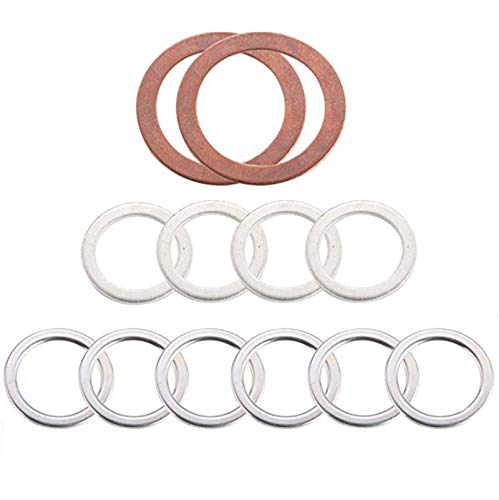
All the gaskets you need for the Toyota diffs and transfer case. There are 2 washers that look the same, those are for the transfer case. Then you have 3 washers that look the same - 2 are for the rear diff and 1 is for the front. The copper one is also for the front diff.
Symptoms of Low or Old Fluid
- Difficulty Shifting Gears: You might notice it’s harder to shift into or out of gear. This difficulty indicates the fluid’s effectiveness is compromised.
- Unusual Noises: Grinding, whining, or clunking sounds when you engage the transfer case signal that the fluid may be low or degraded.
- Fluid Color Change: A dark or burnt smell from the fluid illustrates it’s time for a replacement. Fresh fluid should be bright or clear.
- Leaks Under Your Vehicle: You may find fluid spots under your vehicle. These leaks can indicate inadequate fluid levels that need immediate attention.
- Increased Wear on Components: Low or old fluid leads to accelerated wear on gears and bearings. This wear can cause significant damage to the transfer case.
- Overheating Issues: Inefficient fluid can’t adequately cool the components, resulting in overheating. This can lead to complete transfer case failure.
- Poor Vehicle Performance: Inadequate fluid affects the smooth operation of your vehicle, leading to sluggish performance and reduced fuel efficiency.
- Expensive Repairs: Ignoring signs of fluid issues can escalate minor problems into major repairs, often costing thousands of dollars.
Regular checks and timely replacements of transfer case fluid ensure efficient vehicle operation and longevity.
Factors Affecting Transfer Case Fluid Replacement
Several factors influence the need for transfer case fluid replacement. Understanding these can help you maintain your vehicle effectively.
Manufacturer Recommendations
Follow the manufacturer’s guidelines for fluid replacement intervals. Most vehicle manufacturers suggest checking the transfer case fluid every 30,000 to 60,000 miles. Some high-performance or off-road vehicles may require more frequent checks. Always refer to your owner’s manual for specific recommendations, as this ensures you’re adhering to the manufacturer’s standards and keeps your vehicle’s warranty intact.
Driving Conditions and Their Impact
Driving conditions significantly impact transfer case fluid. Frequent short trips, off-road driving, or towing heavy loads can lead to faster fluid degradation. In harsh conditions like extreme temperatures or heavy rain, the fluid may break down more quickly. If you often drive in these situations, you might check your fluid more regularly and consider more frequent replacements to protect your vehicle’s transfer case.
How to Replace Transfer Case Fluid
Replacing transfer case fluid is straightforward, ensuring your vehicle runs smoothly. Follow these steps to handle the fluid replacement efficiently.
Recommended Products


Visit our search engine for application info. 3/8" NPT actually measures 0.67" in diameter.

Fits Kitchen, Bath and Laundry Tub Basket Strainers, P-Traps, Wing Nuts and Tub Drains Works Great In Tight Places
Step-by-Step Replacement Process
- Prepare your vehicle: Park on a level surface and turn off the engine. Engage the parking brake for safety.
- Locate the transfer case: Find the transfer case under your vehicle. Refer to your owner’s manual for specific locations.
- Drain the old fluid: Remove the drain plug using a wrench. Allow the old fluid to fully drain into a suitable container.
- Inspect the old fluid: Check for discoloration or metal particles, which can indicate wear. Discard the old fluid properly.
- Replace the drain plug: Clean the drain plug and thread it back into place securely.
- Add new transfer case fluid: Use a funnel to pour the new fluid through the fill hole. Refer to your vehicle’s manual for specific fluid type and amount.
- Check the fluid level: Insert a dipstick if available, or feel for fluid with your finger at the fill hole. The fluid should be within the recommended range.
- Replace the fill plug: Close the fill hole securely, ensuring no leaks will occur.
- Test the vehicle: Run the vehicle for a short distance, then recheck fluid levels to ensure proper circulation.
- Wrench set: For removing drain and fill plugs.
- Funnel: To make pouring new fluid easier and cleaner.
- Container: For collecting old fluid.
- New transfer case fluid: Check specifications for the correct type and amount.
- Rags: For cleaning spills and wiping tools.
- Dipstick (if available): For checking fluid levels.
Using these tools makes the replacement process simple and effective. Make sure to follow the steps carefully for optimal results.
Conclusion
Taking care of your transfer case fluid is crucial for keeping your vehicle running smoothly. By staying on top of fluid replacement and paying attention to signs of wear, you can avoid unexpected breakdowns and costly repairs. Remember to follow your manufacturer’s guidelines and consider your driving conditions.
With a little effort and the right tools, you can ensure your transfer case stays in great shape. So don’t wait too long to check that fluid. Your vehicle will thank you for it in the long run. Happy driving!
Frequently Asked Questions
What is transfer case fluid, and why is it important?
Transfer case fluid is a lubricant that helps distribute power between the front and rear wheels in all-wheel and four-wheel drive vehicles. It’s essential for maintaining gears’ health and ensuring efficient operation of the drivetrain. Regular replacement prevents costly repairs and breakdowns.
How often should I replace transfer case fluid?
The replacement frequency varies by manufacturer, but generally, it’s recommended every 30,000 to 50,000 miles. Checking your vehicle’s owner manual or consulting a mechanic is best to determine the specific interval for your vehicle.
What are signs that transfer case fluid needs replacing?
Common signs include difficulty shifting gears, strange noises from the transfer case, or a fluid leak under the vehicle. If you notice any of these symptoms, it’s important to check the fluid condition and replace it if necessary.
How do I replace transfer case fluid?
Start by gathering the right tools, such as a drain pan, funnel, and new fluid. Drain the old fluid, inspect it for metal shavings or contamination, then refill with the new fluid according to the manufacturer’s specifications. Ensure all connections are tight to prevent leaks.
Can I replace transfer case fluid myself?
Yes, replacing transfer case fluid can be done at home if you’re comfortable with basic automotive maintenance. Just ensure you have the right tools, follow safety precautions, and consult your vehicle’s manual for specific instructions for your model.
